
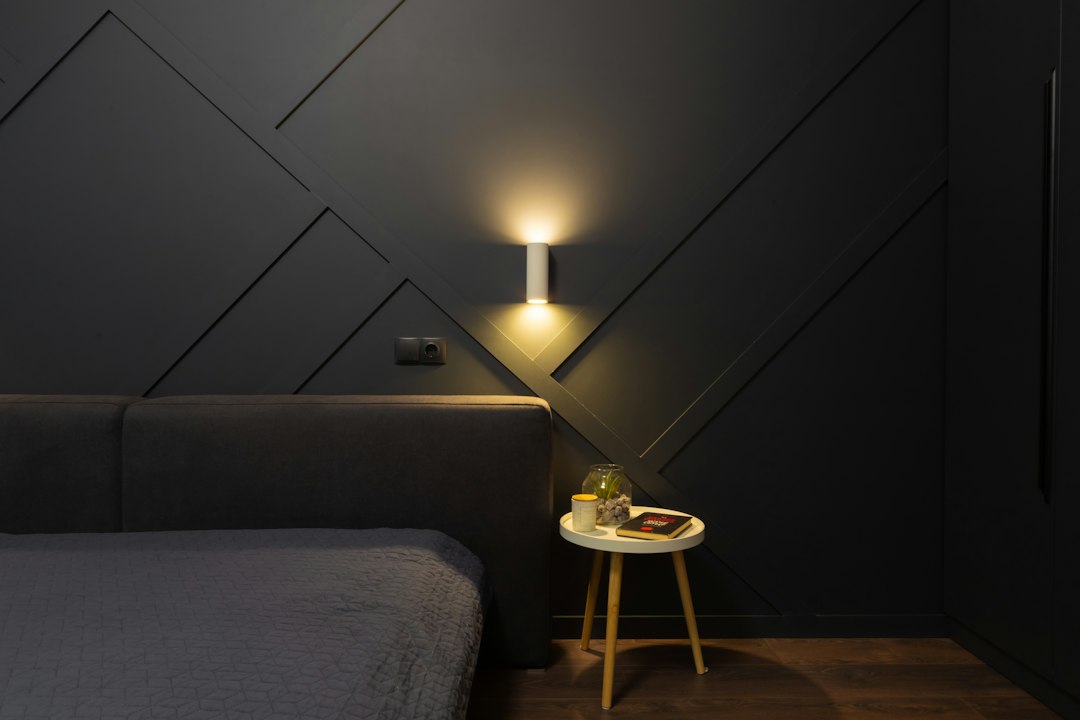
Elegant faceted vanity lights can absolutely transform a gallery wall, moving it beyond just framed art into a dynamic, well-lit display. Instead of just hanging pictures, you’re creating an experience where each piece is highlighted, and the faceted light adds a layer of sophisticated visual interest. Think of it as giving your artwork the spotlight it deserves, while simultaneously elevating the entire room’s aesthetic.
Why Faceted Lights Are a Game-Changer
When you’re designing a gallery wall, lighting is often an afterthought, but it shouldn’t be. Standard picture lights can be a bit plain, and recessed lighting might cast shadows. Faceted vanity lights, however, bring something unique to the table. They’re not just about illumination; they’re about how that illumination interacts with your space and your art.
Beyond Basic Illumination
Unlike a simple diffused light, the facets on these fixtures act like tiny prisms, scattering light in a way that creates intriguing patterns and highlights. This isn’t harsh or overwhelming; it’s a subtle sparkle and play of light and shadow that adds depth and drama. Imagine light catching the texture of a canvas or reflecting off a framed print in a myriad of gentle glints – that’s the magic of facets. It’s a bit like adding a piece of functional jewelry to your wall.
Architectural Interest and Texture
Many faceted vanity lights have interesting shapes and materials themselves. They can be cylindrical, rectangular, or even more abstract, often made from metals, glass, or acrylic. These materials, when faceted, provide their own architectural texture even when the light is off. They become sculptural elements that contribute to the overall composition of your gallery wall, adding another layer of visual interest beyond the art itself.
A Touch of Glamour Without Overdoing It
The word “glamour” sometimes conjures images of over-the-top opulence, but faceted lights can offer a refined version of it. The subtle sparkle and the way they manipulate light create a high-end feel without being ostentatious. It’s an understated elegance that suggests thoughtfulness in design, making your gallery wall feel curated and expensive, regardless of the actual cost of your art.
Choosing the Right Faceted Vanity Lights
Picking the perfect faceted vanity light for your gallery wall isn’t just about what looks good in the store. You need to consider a few practical aspects to ensure it complements your art and your space effectively.
Size and Scale Considerations
The size of your light fixture should be proportionate to your gallery wall. If you have a sprawling wall with many pieces, a larger, more impactful fixture or even a series of smaller ones might be appropriate. For a more intimate, clustered gallery, a single, elegant fixture might suffice. The goal is for the light to enhance, not overwhelm, your art. Think about the physical dimensions of the fixture itself – how wide, how tall, and how far it projects from the wall. You don’t want it to bump into your artwork or feel out of place.
Finish and Material Harmony
Faceted lights come in various finishes – brushed nickel, polished chrome, matte black, antique brass, and more. Consider the existing finishes in your room. If you have warm tones, an antique brass or bronze might be lovely. For cooler, modern spaces, chrome or matte black could be ideal. The material of the facets also matters: clear glass will offer a bright, sharp sparkle, while frosted or textured glass might provide a softer, more diffused glow. Acrylic facets can offer durability and a contemporary edge.
Light Temperature and Brightness
This is crucial for showcasing artwork accurately. You generally want a light temperature in the “warm white” to “neutral white” range (around 2700K to 4000K). Avoid anything too yellow (below 2700K) as it can distort colors, or too blue (above 4000K) as it can make things feel sterile. As for brightness, dimmable options are a huge plus. This allows you to adjust the intensity based on the time of day, the ambient light, or the mood you want to set. You don’t want to blast your art with harsh light, but rather bathe it in a flattering glow.
Strategic Placement for Maximum Impact
Where you put your faceted vanity lights on your gallery wall can make all the difference. It’s not just about turning on a light; it’s about directing attention and creating a balanced visual story.
Above the Art Collection
The most common placement, and often the most effective, is to position one or more faceted vanity lights above your entire gallery wall or a significant cluster of pieces. This creates a waterfall effect of light, washing over the artwork and drawing the eye downwards. When placing a single fixture, aim for it to be centered over the main focal point of your gallery. If you have multiple fixtures, ensure they are evenly spaced to provide balanced illumination across the entire display.
Integrated Within the Gallery
Instead of just being above, consider incorporating the faceted light fixture into the gallery arrangement itself. Treat it as another piece of art or a sculptural element. This works particularly well if the light fixture itself is visually appealing and has a strong design presence. You could place it between two larger pieces, or use it to anchor a smaller cluster of frames. This approach requires a bit more planning to ensure the proportions are correct and the light fixture doesn’t overshadow the art.
Highlighting a Specific Piece
If your gallery wall has a clear star – a particularly cherished painting, a striking photograph, or a unique sculptural piece – a smaller, more focused faceted vanity light can be positioned directly above it to give it special prominence. This creates a spotlight effect, drawing immediate attention to that specific item. This doesn’t mean the rest of the gallery is ignored; rather, it creates a visual hierarchy that guides the viewer’s eye.
Gallery Wall Layouts Enhanced by Faceted Lighting
The type of gallery wall layout you choose can significantly benefit from the right lighting strategy. Faceted lights can emphasize different design principles and create varying moods.
The Grid Layout: Uniform Brilliance
A grid layout, characterized by evenly spaced, same-sized frames, benefits from consistent and uniform lighting. A single, longer faceted vanity light or a series of identical fixtures spaced evenly above the top row of frames will create a clean, modern look. The facets will add a subtle sparkle to each frame, enhancing the symmetry and order of the grid without disrupting its clean lines. This approach reinforces the intentionality of the grid design.
The Salon Style: Eclectic Glow
The salon style is all about a dense, eclectic mix of different sized frames and art pieces, often extending from floor to ceiling. For this type of wall, you have more flexibility. You could use several smaller faceted vanity lights interspersed throughout the display, perhaps above a particularly interesting cluster or to highlight different sections. The varying heights and positions of the lights can add to the bohemian, layered feel of a salon wall, creating pockets of sparkle and interest.
The Linear Display: Focused Illumination
If your gallery wall is a long, horizontal strip of frames, perhaps above a sofa or console table, a linear faceted vanity light is a natural fit. This type of fixture runs parallel to the wall, providing even illumination along its entire length. The facets will distribute light across each frame, ensuring no piece is left in shadow. This creates a cohesive look that draws the eye horizontally across the display.
The Focal Point Cluster: Dramatic Highlighting
Sometimes a gallery wall is built around a central, dominant piece, with smaller items radiating outwards. In this scenario, a more substantial faceted vanity light placed directly above the central piece can act as a grand highlight. Its facets will catch the light and create a dramatic halo around the focal artwork, while the spill-over light gently illuminates the surrounding pieces. This setup creates a clear hierarchy and directs immediate attention to your main statement piece.
Practical Considerations and Installation Tips
Beyond aesthetics, there are some practical aspects to consider when bringing faceted vanity lights into your gallery wall scheme. A little foresight here can save you a lot of hassle later.
Wiring and Electrical Needs
Vanity lights, by nature, are wired fixtures. This means you’ll need an electrical box in the wall at the desired mounting point. If you’re starting from scratch or redoing a room, this is easier to plan. If you’re adding them to an existing wall without pre-existing wiring, you’ll likely need an electrician to run new wires and install a box. Surface-mounted wire covers are an option if you absolutely can’t go into the wall, but they can detract from the clean look. Always consult a qualified electrician for any new electrical work to ensure safety and compliance with local codes.
Dimmer Switches are Your Friend
As mentioned earlier, dimmable lights are a huge advantage. A dimmer switch allows you to control the intensity of the light, letting you adjust it for different times of day, different moods, or even to prevent fading of delicate artwork from excessive light exposure. Make sure both your chosen light fixture and the bulbs are compatible with dimmer switches. This flexibility is key to truly optimizing your gallery wall lighting.
Bulb Choice and Maintenance
Beyond dimmability, the type of bulb matters. LED bulbs are generally the best choice for gallery walls. They are energy-efficient, long-lasting, and most importantly, they emit very little heat, which is crucial for protecting your artwork from damage over time. Look for LEDs with a high Color Rendering Index (CRI) – ideally 90 or above – as this ensures colors in your artwork appear true to life. For maintenance, a gentle dusting with a microfiber cloth is usually sufficient to keep the facets sparkling. Avoid harsh chemical cleaners, especially on delicate finishes or glass.
Measuring and Mock-Ups
Before you drill any holes, measure everything carefully. Use painter’s tape or cut-out paper templates to mock up the placement of both your art and your light fixtures on the wall. This lets you visualize the arrangement and identify any potential issues with spacing or proportion before committing. Take a step back, look from different angles, and even take pictures to review. This small step can prevent major headaches and ensure your finished gallery wall is exactly what you envisioned.
Safety First
When installing any electrical fixture, safety is paramount. Always turn off the power to the circuit at the breaker before beginning any work. If you’re unsure about any step, or if the wiring seems complex, it’s always best to hire a professional electrician. Don’t take chances with electricity.
By thoughtfully integrating elegant faceted vanity lights, you’re not just illuminating a wall; you’re crafting an experience, adding depth, dimension, and a touch of refined glamour to your cherished art collection. It’s a design choice that truly brings your gallery wall to life.
