
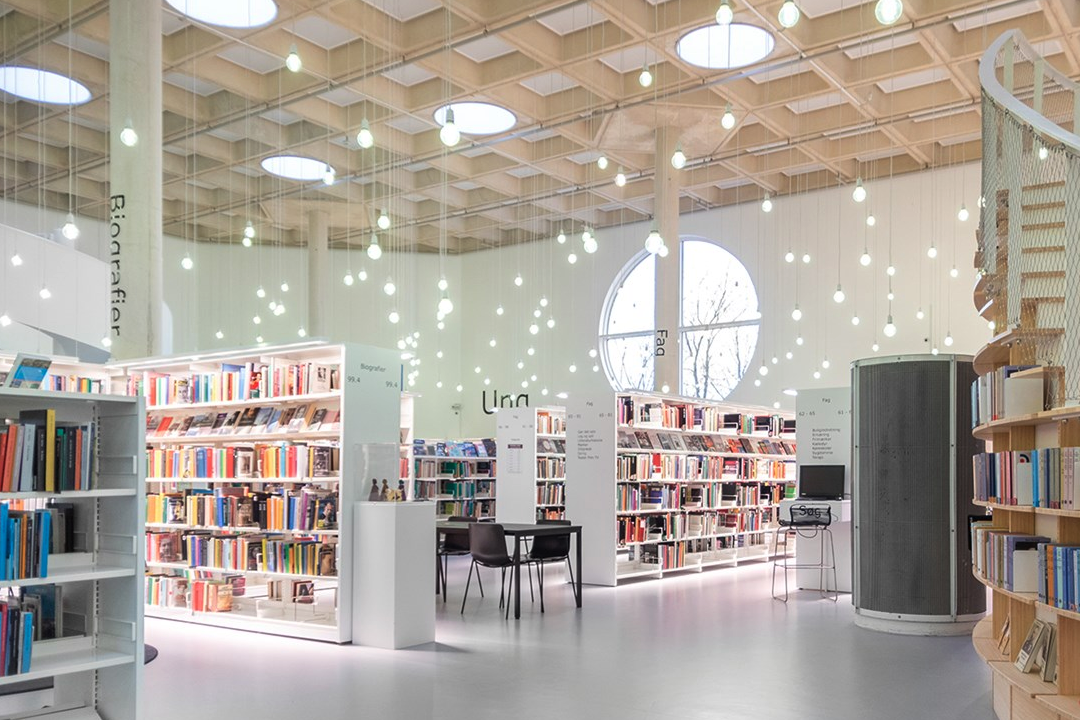
Ever wonder if the light in your study space at the library is actually helping you focus or just making your eyes tired? You’re not alone. Academic libraries are actively thinking about how their lighting impacts students and researchers, and it’s not just about making things look pretty. The goal is to create environments that truly support productive work.
This means moving beyond basic illumination. We’re talking about light Inzuzu that’s designed to help you concentrate, reduce eye strain, and even improve your mood – all while being energy-efficient. Let’s dive into some of the key trends shaping academic library lighting to make those study sessions a whole lot better.
It’s not just about brightness; it’s about the quality of light. Different types of light affect our bodies and minds in distinct ways.
Understanding the Impact of Light on Our Biology
Our bodies have an internal clock, the circadian rhythm, which is heavily influenced by light. Exposure to the right kind of light at the right time can signal to our brains when it’s time to be alert and focused, and when it’s time to wind down.
Circadian Rhythms and Cognitive Function
The natural cycle of sleep and wakefulness is regulated by our circadian rhythm. Light, especially blue light, plays a crucial role in suppressing melatonin production, which makes us feel awake and alert. In academic settings, this is key. Libraries want lighting that promotes alertness during peak study hours, helping students stay engaged and perform better cognitively. Think of it as scientifically engineered wakefulness.
The Role of Color Temperature
Light has a “color temperature,” measured in Kelvin (K). Lower Kelvin values (around 2700K-3000K) produce warmer, more yellowish light, often associated with relaxation and evening hours. Higher Kelvin values (4000K-6500K) produce cooler, more bluish light, which is more energizing and stimulating. Academic libraries are increasingly using cooler, more neutral lighting in study areas to encourage alertness and concentration, while warmer tones might be reserved for lounge areas or common spaces where a more relaxed atmosphere is desired.
Light Intensity and Glare
Too much or too little light can be equally detrimental. Insufficient light makes it hard to read, leading to eye strain and fatigue. Excessive brightness, especially when it creates glare on screens or pages, is also incredibly distracting and uncomfortable. The trend is towards finding that sweet spot – a comfortable, consistent level of illumination that minimizes shadows and glare.
Visual Comfort and Task Lighting
Beyond the general atmosphere, specific tasks require specific lighting solutions. Reading a book, working on a laptop, or annotating a document all have different visual demands.
Task-Specific Lighting Fixtures
Many libraries are incorporating task lighting, which is focused illumination for individual workstations. This could be adjustable desk lamps or integrated lighting within carrels. This allows users to customize their lighting to their needs, reducing reliance on general overhead lights which might not be optimally placed or intense enough for detailed work. It’s like having your own personal spotlight for your studies.
Minimizing Glare on Digital Screens
With so much of academic work done on laptops and tablets, glare is a major enemy of productivity. Lighting designers are now considering the placement and diffusion of light to minimize reflections on screens. This often involves indirect lighting, louvers on fixtures, and ensuring light sources aren’t directly in the line of sight when looking at a screen.
Smart Lighting Technologies in Libraries
The “smart” revolution isn’t just for our homes; it’s also transforming how libraries manage their lighting.
LED Technology: The Foundation of Modern Lighting
LEDs (Light Emitting Diodes) are the workhorses of modern energy-efficient lighting. They’ve become ubiquitous in libraries for good reason.
Energy Efficiency and Cost Savings
LEDs use significantly less energy than older incandescent or fluorescent bulbs, which translates to substantial cost savings for institutions. This is a huge draw, allowing libraries to reallocate funds to other essential resources. They also last much longer, meaning fewer replacements and less maintenance hassle.
Longevity and Reduced Maintenance
The lifespan of LED bulbs is measured in tens of thousands of hours. This drastically reduces the frequency of bulb changes, a time-consuming and sometimes disruptive task in a busy library. It also means fewer bulbs ending up in landfills, which is an environmental benefit.
Versatility in Color and Control
LEDs offer incredible flexibility. They can be manufactured in a wide range of color temperatures and can be easily dimmed or even have their color spectrum adjusted. This opens up possibilities for dynamic lighting systems.
Adaptive Lighting Systems
This is where things get really interesting. Instead of static lighting, libraries are moving towards systems that can change and respond.
Daylight Harvesting
Many newer libraries are designed with large windows and ample natural light. Adaptive lighting systems can integrate with sensors that detect the amount of natural light entering a space. As daylight increases, the artificial lighting can automatically dim, saving energy and maintaining a consistent light level. It’s a seamless integration of natural and artificial light.
Occupancy Sensors
Another common feature is the use of occupancy sensors. Lights in unoccupied study rooms, carrels, or even entire sections can be dimmed or turned off automatically. This prevents wasted energy and ensures lights are only on when and where they are needed. It’s a simple but effective way to boost efficiency.
Tunable White Lighting
This is a more advanced concept. Tunable white systems allow for the adjustment of both the intensity and the color temperature of the light throughout the day. Imagine lights that gradually shift from a cooler, more energizing blue-toned light in the morning to a warmer, more relaxing tone in the evening. This mimics natural daylight patterns, potentially improving focus during study periods and helping users wind down when they’re finished.
Designing for Focus and Well-being
Beyond the technical aspects, the overall design of the lighting plays a crucial role in creating a conducive atmosphere.
The Psychological Impact of Light
Light isn’t just functional; it has a profound psychological effect on how we feel and how we perceive our environment.
Creating a Welcoming and Inviting Atmosphere
While the goal is productivity, libraries also need to feel welcoming. Lighting plays a key role in setting the tone. A well-lit entrance can make a space feel more approachable. Thoughtful lighting in common areas can encourage collaboration and community.
Reducing Stress and Improving Mood
Exposure to natural-like light patterns can have positive effects on mood and reduce feelings of stress. Libraries are starting to incorporate lighting strategies that mimic daylight cycles, which can help users feel more relaxed and less prone to study fatigue. It’s about creating a more humane and supportive environment.
The Importance of Flexibility and User Control
Not everyone studies the same way, and providing some level of control over the lighting can significantly improve the user experience.
Personalized Lighting Options
As mentioned with task lighting, giving users some agency over their immediate light environment is a growing trend. This could be as simple as adjustable desk lamps or more sophisticated controls within private study rooms. It acknowledges that individual preferences exist and allows users to optimize their own workspace.
Zoning and Different Lighting Schemes
Libraries are increasingly being zoned with different lighting schemes for different purposes. Quiet reading areas might have softer, more diffused lighting, while collaborative spaces could have brighter, more adaptable lighting. This acknowledges the diverse needs of library users and the varied activities that take place within the library.
Illuminating Specific Library Zones
Different areas within a library have different needs, and lighting strategies are tailored accordingly.
Main Reading Rooms and Study Areas
These are the core spaces where focused work happens, so lighting here is paramount.
Even Illumination and Reduced Shadows
The aim is to provide consistent, shadow-free illumination across desks and tables. This is often achieved with well-placed overhead fixtures that emit diffuse light, preventing harsh contrasts that can be tiring for the eyes. The goal is a smooth, even wash of light.
Balancing General and Task Lighting
A good balance between ambient (general overhead) lighting and localized task lighting is crucial. While general lighting provides a baseline, task lighting allows individuals to augment their immediate workspace for detailed tasks without over-lighting the entire area.
Collaborative Spaces and Group Study Rooms
These areas encourage interaction and brainstorming, requiring a different lighting approach.
Brighter, More Flexible Lighting
Spaces designed for collaboration often benefit from slightly brighter and more adaptable lighting. This can encourage lively discussion and interaction. The ability to adjust lighting in these rooms can also be useful for presentations or group activities that might require different light levels.
Minimizing Glare for Screen Sharing
When groups are working on shared screens or whiteboards, lighting that minimizes glare is essential. Indirect lighting and careful fixture placement help ensure that everyone can see the shared content clearly without distractions.
Circulation Areas and Entrances
These are the transitional spaces, and their lighting sets the initial impression.
Welcoming and Navigational Lighting
Entrances and main circulation paths need to be well-lit to guide users and create a sense of welcome. Lighting can be used to highlight key areas like circulation desks, information points, or directional signage, making it easier for users to navigate the space.
Mood Setting for Transition
The lighting in these areas can also serve to transition users from the outside world to the focused environment of the library. Warmer, softer lighting might be used to create a sense of calm and anticipation for the study ahead.
Future Directions and Innovations
The field of lighting is constantly evolving, and academic libraries are poised to benefit from new developments.
The Integration of Lighting with Building Management Systems
As libraries become “smarter,” lighting will be more deeply integrated with other building systems.
Centralized Control and Monitoring
Future systems will likely allow for centralized control and monitoring of lighting across the entire library. This enables administrators to fine-tune lighting strategies, track energy usage, and identify any maintenance needs more efficiently.
Predictive Maintenance and Performance Optimization
By analyzing data from lighting systems, libraries can move towards predictive maintenance, addressing potential issues before they cause disruptions. Performance optimization means ensuring lighting is always operating at its most efficient and effective levels.
Human-Centric Lighting and Well-being Focus
The emphasis on how light affects human health and productivity is only going to grow.
Beyond Simple Illumination: Health and Productivity
The concept of “human-centric lighting” is about designing lighting that actively supports human health, mood, and performance. This goes beyond just providing enough light; it’s about creating light environments that are biologically beneficial.
Personalized Lighting Experiences
Imagine future libraries where users can personalize their lighting experience via an app, adjusting color temperature and intensity to their specific preferences and tasks. This level of customization could dramatically enhance the study experience.
The Role of AI in Lighting Design
Artificial intelligence is beginning to play a role in optimizing complex systems, and lighting is no exception.
Automated Optimization and Learning Systems
AI could be used to analyze usage patterns, environmental conditions, and user feedback to continuously optimize lighting settings for maximum productivity and energy efficiency. These systems could learn and adapt over time.
Predicting User Needs and Adjusting Proactively
AI-powered lighting systems might even be able to predict when and where light will be needed, adjusting settings proactively to ensure optimal conditions are always in place, creating a truly seamless and supportive environment for study and research.
