
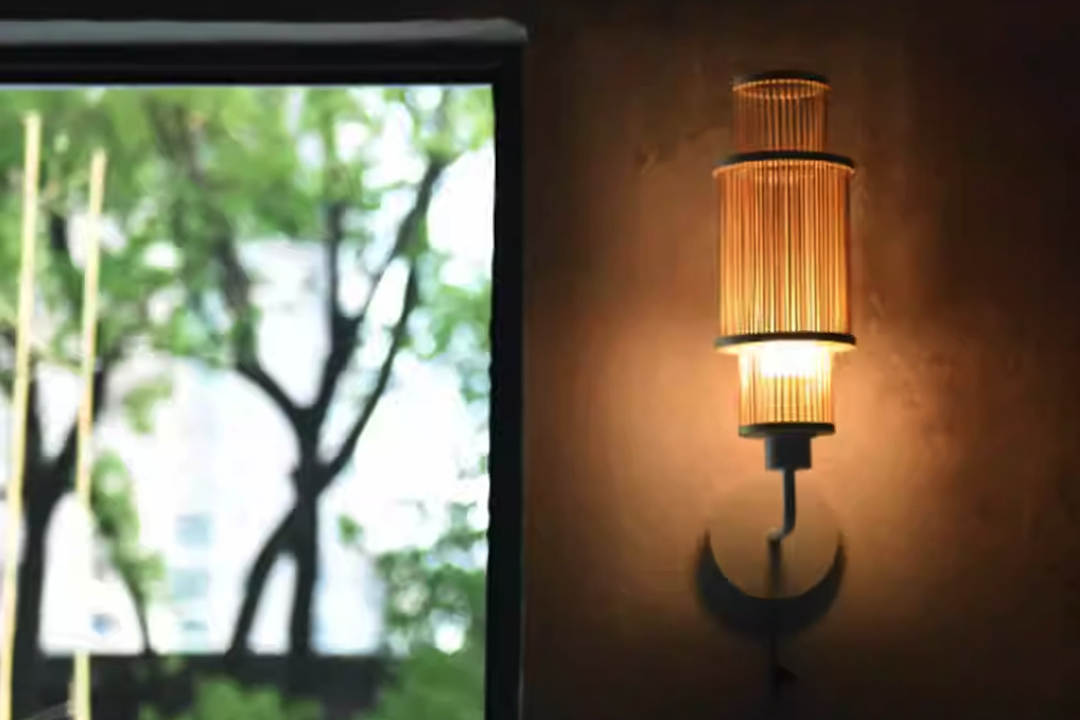
So, you’re wondering about the latest in desert lighting, particularly with limewash and lamps? The short answer is that limewash provides a fantastic, subtle backdrop that enhances natural light and creates a unique canvas for strategic lamp placement, leaning into a soft, textured, and deeply atmospheric aesthetic that’s both modern and timeless. It’s all about creating an inviting glow that feels organic and rooted in its surroundings.
Limewash isn’t just a paint; it’s a finish that brings a captivating texture and depth to walls. In desert environments, this isn’t just an aesthetic choice; it’s a practical one too, especially when thinking about how light Shinelightings interacts with surfaces.
The Organic Texture Advantage
Unlike flat paints, limewash has a slightly mottled, cloudy appearance. This isn’t a defect; it’s its defining characteristic. This unevenness is what makes it so special. When light, whether natural sunlight or artificial lamp glow, hits a limewashed wall, it doesn’t just bounce off uniformly. Instead, it plays across the surface, highlighting the subtle variations in pigment and texture. This creates a dynamic, living wall that shifts throughout the day and night, adding immense character to a space. It’s like having a constantly evolving canvas.
Light Reflection and Diffusion
One of the unsung heroes of limewash in the desert is its ability to diffuse light. The arid climate often brings intense sunlight. While we love the brightness, direct, harsh reflections can be uncomfortable and glaring. Limewash, with its matte, porous finish, absorbs some of this harshness and diffuses it gently into the room. This results in a softer, more ambient glow rather than a sharp, reflective glare. For artificial lighting, this means lamps can feel more integrated, their light subtly spread rather than spotlighted on a flat surface. It truly creates a more comfortable visual environment, reducing eye strain and fostering a sense of calm.
Cooling Properties and Natural Feel
Beyond its visual appeal, limewash, being mineral-based, has some practical benefits in warmer climates. It’s breathable, allowing walls to “exhale,” which can contribute to a slightly cooler interior temperature compared to synthetic paints that seal the wall completely. This breathability also helps regulate humidity, something often overlooked in desert homes where interiors can become dry and stuffy. Aesthetically, limewash’s earthy, mineral composition inherently connects it to the natural desert landscape. It mirrors the muted tones of sand, rock, and sky, creating a seamless transition between the indoor and outdoor environment. This connection is fundamental to desert design, bringing the outside in and making a home feel grounded.
Lamps: More Than Just Illumination
In a limewashed space, lamps aren’t merely functional; they are integral design elements that sculpt the light and define the mood. It’s not just about turning on a switch; it’s about curating an experience.
Layering Light for Depth
The concept of layering light is crucial, especially in desert homes where evening ambiance is highly valued. With limewash walls, layering becomes even more effective. You want to avoid relying on a single overhead fixture that casts flat, uninteresting light. Instead, think about incorporating various light sources at different heights and intensities.
Ambient Lighting
This is your foundational layer – the general illumination that makes a room functional. With limewash, flush mounts or subtle recessed lighting that wash the walls can work well, allowing the texture to be seen without being overtly highlighted. However, for a truly desert-inspired feel, indirect uplighting, perhaps from floor lamps that bounce light off the ceiling and down onto the limewashed walls, can create a beautifully soft, all-encompassing glow that highlights the texture without creating harsh shadows.
Task Lighting
This is focused light for specific activities, like reading, cooking, or working. Think table lamps next to a sofa, pendant lights over a kitchen island, or a desk lamp. When choosing task lighting for a limewashed room, consider fixtures with shades that direct light downwards or in a focused beam, preventing too much spill onto the textured walls, which could inadvertently create unwanted shadows or overwhelm the subtle limewash effect. The contrast between focused task light and the softer ambient glow on the walls is key.
Accent Lighting
This is where you bring in the drama and highlight specific features. In a limewashed desert home, this might mean a small spot illuminating a piece of art, backlighting a shelf of pottery, or even a strategically placed floor lamp that grazes a textured wall, drawing attention to its unique finish. Accent lighting with limewash walls is particularly effective because the subtle texture provides a perfect backdrop for these focal points, making them stand out without being gaudy. The limewash allows the accent light to be absorbed and diffused, creating a softer highlight rather than a stark spotlight.
Materiality Matters
When selecting lamps for a limewashed desert interior, the materials of the lamps themselves are just as important as the light they emit. They should complement the organic, tactile nature of limewash.
Natural Textures
Think about materials like unglazed ceramics, terracotta, woven rattan or jute, linen, and even repurposed wood. These materials resonate with the desert aesthetic and bring their own subtle texture that plays well with limewash. A ceramic base lamp, for instance, has a beautiful weight and earthy quality that feels right at home against a limewashed wall. Woven shades, often made from natural fibers, diffuse light in a warm, inviting way, creating interesting patterns of light and shadow.
Metal Accents
While natural textures are primary, judicious use of certain metals can add a touch of sophisticated contrast. Muted brass, blackened steel, or aged bronze can introduce an industrial-chic or rustic touch without overwhelming the organic feel. The key is to choose finishes that aren’t overly shiny or polished. A lamp with a simple, clean-lined blackened steel base and a linen shade, for example, can provide a contemporary edge to a limewashed room. The slight sheen of these metals can also pick up and reflect the subtle light from the limewashed walls, adding another layer of visual interest.
Finding the Right Fit: Style and Form
The shape and design of your lamps should harmonize with the overall desert aesthetic and the limewash backdrop. It’s about balance and creating a cohesive narrative within your home.
Organic and Sculptural Forms
Avoid overly ornate or fussy lamp designs. The beauty of desert design, especially with limewash, lies in its simplicity and connection to nature. Look for lamps with fluid, organic shapes – curved bases, imperfectly shaped shades, or sculptural elements that feel handcrafted. Think about forms inspired by desert flora or geological formations. A lamp with a base that mimics a natural stone or a shade that has a subtly undulating shape can bring a sense of tranquility and artistry to the space. These shapes feel less manufactured and more like found objects, fitting perfectly with the limewash aesthetic.
Minimalist and Understated Designs
Sometimes, less is more. Lamps with clean lines, simple silhouettes, and an understated presence can allow the limewashed walls to be the star. The lamp’s role here is to provide light and a subtle design element without competing for attention. A simple cylindrical ceramic lamp base with a plain linen shade, for example, can be incredibly effective. Its strength lies in its quiet elegance and how it allows the texture of the limewash to truly shine, becoming an integrated part of the wall rather than a separate object that detracts from it.
Vintage and Artisanal Pieces
Incorporating vintage or artisanal lamps can add immense character and a sense of history. These pieces often have unique patinas, handcrafted details, and stories that resonate with the desire for authentic, soulful interiors. A vintage pottery lamp base, for instance, with its unique glaze and texture, can feel incredibly rich against a limewashed wall. Artisanal lamps, made by local craftspeople, can also bring a bespoke touch, ensuring your lighting feels unique and contributes to a thoughtfully curated home. These pieces are not just light sources; they are art objects that enhance the overall ambiance.
Practical Considerations for Desert Living
Beyond aesthetics, there are practical aspects of lighting in a desert home that limewash and thoughtful lamp choices can address.
Mitigating Glare
Desert sunlight can be intense. Limewash’s diffusing properties are a huge help, but proper lamp placement can further mitigate glare. Avoid placing very bright, exposed bulbs at eye level. Instead, opt for shaded lamps or indirect lighting that bounces off the ceiling or walls. This creates a softer, more comfortable light that doesn’t assault the eyes, especially in the evening after a bright desert day. Choosing bulbs with a lower lumen output or dimmable options gives you more control over the intensity, allowing you to adjust for different times of day or activities.
Energy Efficiency
In a region where cooling costs can be high, energy efficiency is always on the mind. LED bulbs are the clear winner here. They consume significantly less energy, last longer, and produce very little heat, which is a major advantage in warm climates. While the upfront cost might be slightly higher, the long-term savings on electricity and replacement bulbs are substantial. Also, consider smart lighting systems that allow for scheduling, dimming, and remote control, further optimizing energy use and enhancing convenience.
Bulb Temperature and Warmth
The color temperature of your light bulbs plays a significant role in setting the mood. In desert homes, especially with limewash, warmer light temperatures (around 2700K to 3000K) are generally preferred. This “warm white” light mimics the glow of a sunset or candlelight, creating a cozy, inviting atmosphere that complements the earthy tones of limewash. Cooler temperatures (4000K and above) can feel stark and clinical, clashing with the natural, lived-in feel we’re aiming for. It’s about creating a soft, welcoming embrace of light, not a sterile environment.
Beyond the Basics: Advanced Ideas
Once you’ve got the foundational elements down, there are a few extra touches that can elevate your limewash and lamp strategy.
Architectural Lighting
This involves integrated lighting elements that become part of the building’s structure. Think about subtle cove lighting that washes a limewashed wall from above, creating a seamless glow without visible fixtures. Or perhaps LED strips hidden behind floating shelves to illuminate objects and cast a soft light onto the wall behind them. This approach truly highlights the limewash texture in a sophisticated, unobtrusive way, making the light feel like it’s emanating from the architecture itself. It’s about designing with light as an intrinsic material.
Outdoor Lighting Integration
The desert home experience often extends outdoors. Consider how your interior lighting might subtly bleed into exterior spaces, and vice versa. Low-level path lights that echo the warm glow of your interior lamps, or subtle uplighting on a textured exterior wall, can create a cohesive flow. When considering outdoor lighting against limewashed exterior walls (yes, limewash can be used outdoors!), think about fixtures that graze the surface to highlight its texture at night, extending the warm, inviting ambiance beyond your four walls. It creates a sense of connection between inside and out, blurring the boundaries and expanding the perceived space.
Smart Lighting Control
For ultimate flexibility and ambiance, a smart lighting system can be a game-changer. Imagine adjusting the brightness of all your lamps with a single voice command, scheduling lights to dim as the sun sets, or creating different “scenes” for various activities – a cozy reading scene, a brighter dinner scene, or a soft evening glow. This level of control allows you to constantly fine-tune the interplay between your lamps and the limewashed walls, optimizing the mood and maximizing the aesthetic impact of your carefully chosen lighting. It moves beyond simple on/off functionality to a dynamic, responsive lighting environment.
In essence, limewash and lamps in a desert setting are about collaboration. The limewash offers a responsive, textured canvas, and the lamps are the brushes that paint with light. Together, they create spaces that are deeply atmospheric, visually engaging, and perfectly suited to the unique beauty of the desert. It’s about creating a home that feels authentic, comfortable, and truly glows from within.
