
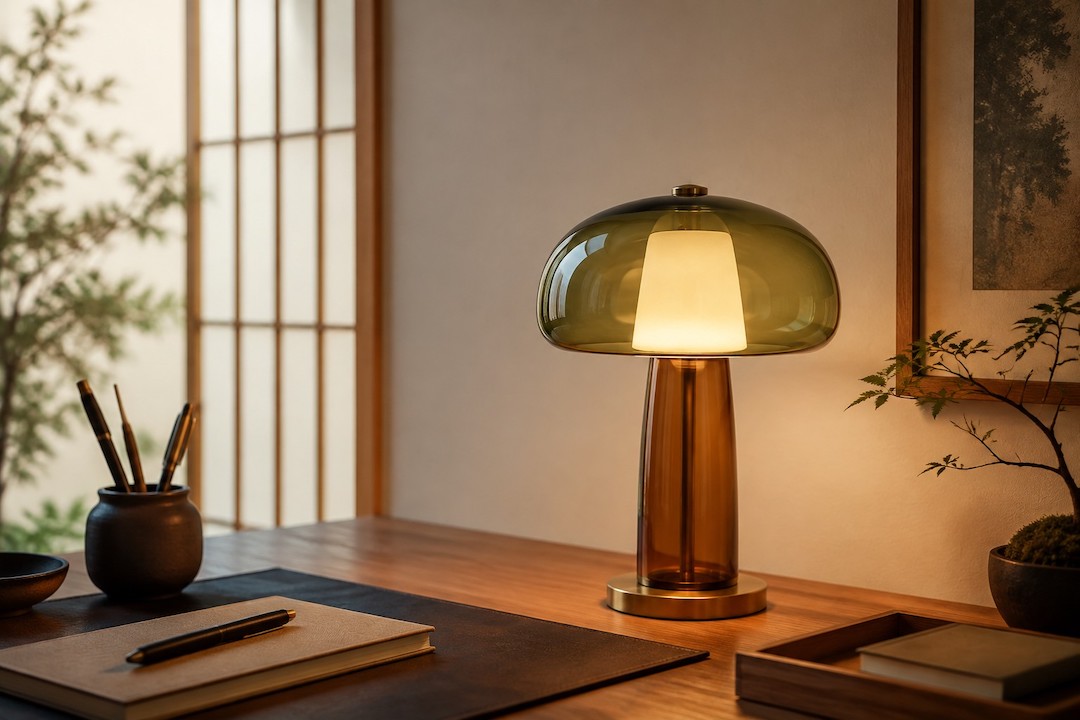
You’re looking for a Japandi-inspired colored glass home office lamp? Great choice! These lamps blend the minimalist calm of Japanese design with the cozy warmth of Scandinavian aesthetics, and the colored glass adds a unique touch of personality and mood. Think functional beauty, where the light itself becomes a decorative element. This kind of lamp can really transform your workspace, making it feel both productive and serene. Let’s dive into what makes them special and how to find the right one for you.
Japandi isn’t just a trend; it’s a philosophy. It’s about finding harmony between contrasting elements. When you apply this to a home office lamp Kensulighting, especially one with colored glass, you’re looking for a piece that embodies this balance.
The Japanese Influence: Simplicity and Nature
Japanese design often emphasizes natural materials, clean lines, and a sense of understated elegance. For a lamp, this translates to forms that are not overly fussy.
- Minimalist Forms: Expect lamps with simple silhouettes – perhaps a slender stand, a geometric shade, or a base that’s unadorned. The focus is on functionality and form, not excessive decoration.
- Natural Materials: While the glass is colored, the frame or base might feature wood (like bamboo, light oak, or walnut), metal with a matte finish, or even ceramic. These materials ground the design and bring a tactile quality.
- Connection to Nature: Even within a lamp, you might see subtle nods to nature. Think of shapes inspired by natural elements, or colors that evoke landscapes.
The Scandinavian Influence: Hygge and Functionality
Scandinavian design is all about creating a cozy, comfortable, and functional environment. The concept of “hygge” – that feeling of contentment and well-being – is central.
- Warmth and Comfort: Even with minimalist lines, a Japandi lamp with colored glass should evoke a sense of warmth. The colored light can play a big role here, creating a soft, inviting ambiance.
- Practicality First: Scandinavian design is inherently practical. Your lamp needs to provide good task lighting for your workspace. The colored glass shouldn’t sacrifice functionality for aesthetics.
- Lightness and Airiness: Scandinavian interiors often feel bright and open. While colored glass can introduce depth, the overall design of the lamp should still feel light and avoid being too visually heavy.
The Fusion: Where They Meet
The magic of Japandi happens when these two influences are seamlessly integrated.
- Balance of Form and Function: A Japandi lamp won’t sacrifice its primary purpose of providing light for its artistic qualities, nor will it be purely utilitarian without any aesthetic appeal.
- Calm Color Palettes: While you’re looking for colored glass, the overall palette of a Japandi-inspired lamp will likely lean towards muted, earthy, or natural tones. Think of deep blues, forest greens, warm amber, or soft terracottas, rather than vibrant neons.
- Texture Play: The smooth glass will be complemented by the textures of the base materials, creating a richer, more engaging piece.
The Role of Colored Glass in a Japandi Office Lamp
Colored glass is where the “wow” factor really comes in with these lamps. It’s not just about emitting light; it’s about shaping it and influencing the mood of your workspace.
Beyond Basic Illumination: Setting the Mood
The color of the glass isn’t just for show; it actively influences the atmosphere.
- Warm Tones for Focus and Calm: Amber or warm amber glass can create a cozy, inviting light that’s conducive to focused work without being overly stimulating. It can feel like a perpetual sunset, bringing a sense of calm.
- Cool Tones for Serenity: Blues or greens can promote a sense of tranquility and reduce eye strain, making them excellent for long work sessions. They evoke natural elements like water or foliage, which can be very soothing.
- Subtle Coloration: Japandi-colored glass is rarely opaque or intensely saturated. You’re more likely to find diffused, translucent colors that allow light to pass through beautifully, casting a gentle hue.
The Light Quality: Diffused and Soft
The way colored glass interacts with light is key to its aesthetic appeal.
- Soft Diffusion: Expect the light to be beautifully diffused, avoiding harsh glare. This is crucial for a comfortable workspace where you’ll be spending hours.
- Task Lighting with a Twist: While the glass adds color, the lamp should still be able to provide adequate, focused light for reading or detailed work. Some designs might have clear sections or adjustable shades to manage this.
- Ambient Glow: When the lamp is on, it doesn’t just illuminate; it creates a distinct ambiance. The colored light washing over your desk and surrounding area can significantly impact your perception of the space.
Materiality and Craftsmanship
The quality of the glass and how it’s incorporated into the lamp are important.
- Hand-Blown Glass: Many high-quality Japandi lamps feature hand-blown glass, which adds a unique, organic quality. Each piece will have subtle variations, making it truly one-of-a-kind.
- Artisanal Touches: Look for signs of careful craftsmanship – smooth edges, well-fitted components, and a sense of intentionality in the design.
- Durability: While glass is delicate, well-made lamps use durable materials and construction methods.
Key Features to Look For in Your Japandi Colored Glass Lamp
When you start browsing, keep these practical aspects in mind. You want a lamp that’s not only beautiful but also serves your needs effectively.
Form and Functionality Considerations
The physical design of the lamp is paramount for a workspace.
- Size and Scale: Measure your desk space. Do you need a compact desk lamp, a slightly larger task lamp, or a floor lamp to provide ambient light for the entire corner of your room? Ensure the lamp’s footprint isn’t overwhelming.
- Adjustability: Is the lamp’s head or arm adjustable? This is crucial for directing light precisely where you need it for different tasks. A flexible arm or a tiltable head provides maximum utility.
- Base Stability: A wobbly lamp is a distraction. Ensure the base is sturdy and well-weighted, especially if you have a busy desk or are prone to bumping into things.
Lighting Control and Power
Modern lamps offer features that enhance their usability.
- Brightness Levels: Does the lamp offer dimming capabilities? This allows you to adjust the intensity of the light based on the time of day, your task, or your mood.
- Color Temperature Options: While the colored glass provides a specific hue, some lamps also allow you to adjust the white light’s color temperature (warm to cool). This adds another layer of customization.
- Switch Placement: Where is the on/off switch or dimmer located? Is it easily accessible on the cord, the base, or the shade? Consider what feels most convenient for you.
- Power Source: Most modern lamps will use a standard power cord. If you have specific needs, like a battery-operated option for portability, that’s less common for this style but worth noting if it’s a must-have.
Material Quality and Finish
Beyond the glass itself, the other components matter.
- Frame and Base Materials: As mentioned, look for natural woods, matte metals, or ceramics that complement the colored glass. The finish should be consistent and free from imperfections.
- Cord Design: Is the cord discreet? Does it match the overall aesthetic? Some designers pay attention to cord color and texture to maintain the minimalist feel.
- Bulb Type: Most lamps will use LED bulbs, which are energy-efficient and long-lasting. Check if the bulb is included and if it’s easily replaceable.
Where to Find Japandi-Inspired Colored Glass Lamps
The beauty of this aesthetic is its growing popularity, which means more options are becoming available.
Online Retailers and Specialty Shops
The internet is your best friend for discovery, but be discerning.
- Curated Design Platforms: Websites that specialize in modern, Scandinavian, or Japanese design are often good places to start. They tend to have a well-edited selection.
- Larger E-commerce Sites with Specific Filters: Use keywords like “Japandi desk lamp,” “colored glass task lamp,” “minimalist office lamp,” and filter by style or material. Read reviews carefully.
- Independent Artisans: For truly unique pieces, explore platforms like Etsy, where individual craftspeople create and sell their work. You might find hand-blown glass lamps with stunning artisanal finishes.
Physical Showrooms and Boutiques
If you prefer to see and touch before buying, these are your best bet.
- Interior Design Stores: Shops that focus on contemporary or Scandinavian interiors might carry lamps that fit the Japandi aesthetic, even if they aren’t explicitly labeled as such.
- Lighting Showrooms: Dedicated lighting stores can be overwhelming but also offer a vast selection. Bring pictures of what you’re looking for and communicate the Japandi style.
Tips for Shopping Online
When you can’t see it in person, a little extra care goes a long way.
- Examine Product Photos Closely: Look at multiple angles. Pay attention to how the light looks when turned on and off. Zoom in on details of the construction.
- Read Descriptions Thoroughly: Understand the materials, dimensions, and any assembly required.
- Check Return Policies: Especially for online purchases, know what your options are if the lamp doesn’t meet your expectations.
- Look for “Inspired By” or “Style Of”: Sometimes, you won’t find a lamp directly labeled “Japandi.” Look for descriptions that mention minimalist design, Scandinavian influences, or Japanese aesthetics.
Integrating Your Lamp into Your Home Office Design
Once you’ve found the perfect lamp, consider how it fits into the larger picture of your workspace.
Complementing Your Existing Decor
The lamp should enhance, not clash with, your current setup.
- Color Harmony: Consider the dominant colors in your office. Does the colored glass complement or provide a pleasing contrast to your walls, furniture, and accessories?
- Material Synergy: If your desk is wood, a lamp with a wooden base will feel cohesive. If you have a lot of metal accents, a metal-framed lamp will tie in nicely.
- Balance of Elements: If your office is already quite minimalist, a subtly colored glass lamp can add a focal point without overwhelming the space. If it’s a bit sparse, the lamp can bring in warmth and personality.
Functionality and Placement for Optimal Use
Think about where the lamp will be most effective.
- Task Lighting Placement: For direct work, position the lamp so the light falls on your task area without casting shadows or causing glare on your screen.
- Ambient Lighting: A floor lamp or a larger desk lamp can provide a soft, overall glow that makes the room feel more inviting and less stark.
- Avoiding Glare: Position the lamp to prevent direct light from hitting your eyes or reflecting uncomfortably off your computer screen.
Creating a Productive and Serene Environment
The ultimate goal is a workspace that supports your well-being and output.
- The Power of Color Psychology: Research how different colors of light might affect your mood and productivity. For example, cool blues can promote focus, while warm ambers can aid relaxation.
- Personalization: Your workspace should reflect you. A Japandi-colored glass lamp is a beautiful way to infuse your personal style into a functional space.
- Mindful Design: By choosing pieces that are both beautiful and functional, you’re creating a more intentional and enjoyable environment to spend your working hours.
By carefully considering these aspects, you can find a Japandi-inspired colored glass home office lamp that not only illuminates your workspace but also elevates its aesthetic and contributes to a more peaceful and productive atmosphere. It’s about making conscious choices that bring beauty and function into your daily life.
