
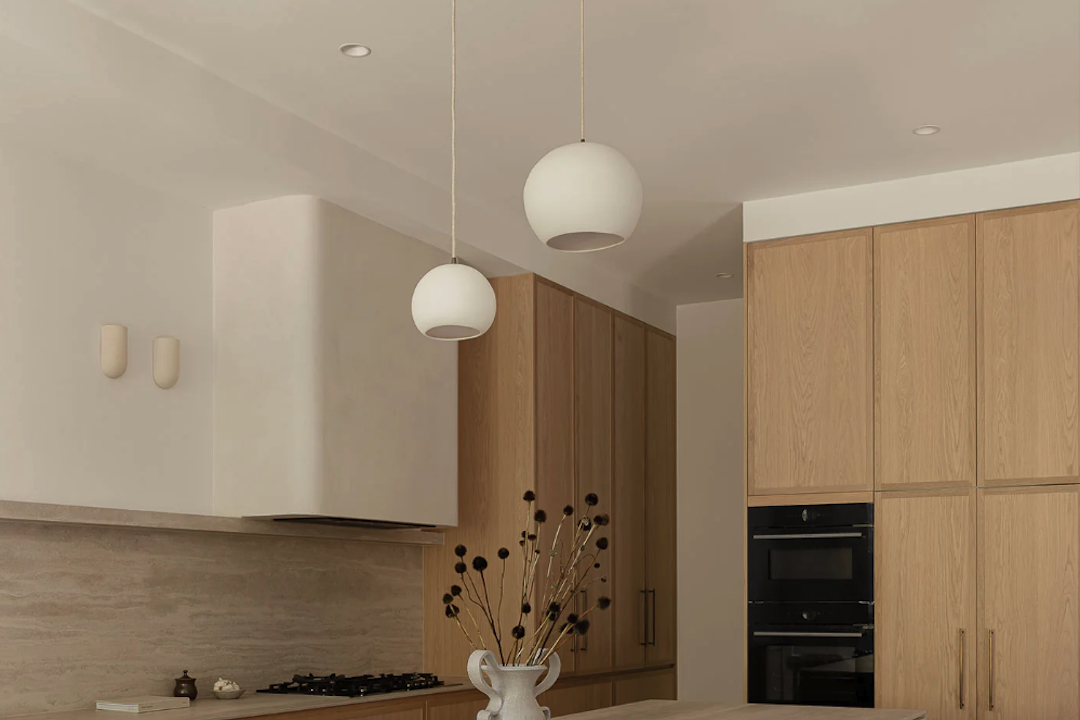
Let’s talk about those white ceramic globe pendant lights with motion sensors. The short answer to whether they’re a good idea is a resounding “yes,” particularly if you’re looking for a practical and aesthetically pleasing lighting solution that adds a touch of modern minimalism to your space while offering some smart functionality. They’re not just pretty faces; they bring a lot of convenience and efficiency to the table.
It’s easy to get caught up in the sheer volume of lighting Globodi options out there. But a white ceramic globe pendant stands out for a few key reasons, especially when you’re aiming for a clean, contemporary, or even a subtly Scandinavian feel.
The Allure of White Ceramic
Ceramic, as a material, has a timeless quality. It’s natural, durable, and offers a beautiful, diffused light. White ceramic, specifically, takes this a step further.
A Neutral Canvas
White is the ultimate neutral. It doesn’t compete with other colors in your decor; instead, it provides a calm and understated backdrop. This means your pendant light will blend seamlessly, allowing other elements of your room to shine, or it can act as a subtle focal point without being overwhelming. It’s the kind of piece that works whether your walls are bold and vibrant or soft and muted.
Diffused, Warm Glow
The ceramic material itself, especially when it’s not too thin, creates a lovely, diffused light. This isn’t the harsh, direct beam you might get from a metal fixture. Instead, it softens the light, creating an inviting and warm ambiance. This is particularly important in areas where you want a comfortable, relaxing atmosphere, like a dining nook or a reading corner. The white surface also helps reflect light, enhancing the overall brightness of the space without feeling glary.
Tactile and Textured
Unlike plastic or metal, ceramic has a certain tactile quality. There’s a slight texture to it, an organic feel that adds depth and interest to what might otherwise be a very simple shape. It’s a subtle detail, but these small touches are what elevate a space from “decorated” to “designed.”
The Timeless Globe Shape
The globe is a classic lighting form. It’s universally appealing and versatile, fitting into a surprising array of interior styles.
Simplicity and Elegance
A perfect sphere is inherently simple, yet incredibly elegant. It’s a shape that doesn’t go out of style. Whether your home leans minimalist, mid-century modern, or even a touch bohemian, a globe pendant can feel right at home. Its clean lines contribute to a clutter-free aesthetic, which is often a goal in contemporary design.
Balanced Light Distribution
From a purely functional standpoint, a globe shape helps distribute light evenly in all directions. This is beneficial for general illumination, ensuring there are no dark spots directly beneath or around the fixture. It’s not designed for task-specific, focused light, but rather for broad, encompassing illumination.
Visual Harmony
The smooth, continuous curve of a globe brings a sense of harmony and fluidity to a room. It can soften the hard edges of furniture or architectural features, adding a touch of organic balance.
Adding the “Smart” Factor: Motion Sensor Integration
Now, let’s talk about the motion sensor. This is where your beautiful, classic pendant light gets a practical, modern upgrade. It’s not just about turning lights on and off; it’s about efficiency, safety, and convenience.
Enhanced Convenience
This is probably the most immediate and noticeable benefit. Think about all those times you wish a light would just turn on as you enter a room.
Hands-Free Operation
Imagine walking into your pantry with a load of groceries, or stepping into a dark hallway with your hands full. With a motion sensor, the light simply illuminates, no fumbling for switches required. This is especially useful in high-traffic areas where you often have something in your hands.
Welcoming Entryways
For an entryway or a mudroom, a motion-activated pendant creates a welcoming atmosphere. As soon as you open the door, you’re greeted by light, rather than darkness. It sets a positive tone right from the start.
Midnight Trips
No one enjoys stumbling through a dark house in the middle of the night. A motion sensor in a hallway, bathroom, or even a kitchen can provide just enough light to navigate safely without having to turn on blinding overheads. This is particularly helpful for families with young children or elderly residents.
Energy Efficiency and Cost Savings
This is where the practical side really shines. A motion sensor can significantly reduce energy waste.
Lights On Only When Needed
The core principle here is simple: if no one’s around, the light stays off. This eliminates instances where lights are accidentally left on in unoccupied rooms for hours. Think about utility rooms, closets, or even secondary bathrooms that aren’t constantly in use.
Reduced Energy Bills
Over time, this “lights on only when needed” approach translates directly into lower electricity bills. While a single pendant light might not seem like much, collectively, smart lighting solutions can make a noticeable difference in your energy consumption, especially in larger homes or commercial settings.
Extended Bulb Lifespan
Frequent cycling (turning on and off) can sometimes reduce the lifespan of certain types of bulbs, but letting a bulb run continuously when not needed is also inefficient. Motion sensors optimize usage, meaning your bulbs are on for shorter, more purposeful durations, which can contribute to their longevity and reduce replacement frequency.
Enhanced Safety and Security
Beyond convenience, motion sensors offer tangible benefits for safety and even a layer of security.
Preventing Accidents
Darkness breeds accidents. Tripping hazards become invisible. By automatically illuminating a path, a motion sensor light can prevent falls, especially in stairwells, cluttered storage areas, or even just a dark walk from one room to another. This is invaluable in homes with children, the elderly, or anyone with mobility issues.
Deterring Intruders
While not a full-fledged security system, an outdoor motion sensor light is a well-known deterrent for potential intruders. The sudden illumination can startle someone who prefers to operate under the cover of darkness. For an indoor pendant in a less visible area, like a garage or a basement, it can still serve a similar purpose – a light suddenly turning on might signal to an unwanted visitor that someone is home or approaching.
Awareness of Movement
For larger homes or those with specific needs, a motion-activated light can also subtly signal movement within a particular area. While not a primary function, it’s an added layer of ambient awareness.
Where to Place Your White Ceramic Globe Pendant with Motion Sensor
The beauty of this type of fixture is its versatility. While traditional pendants might be limited to dining rooms or kitchens, the added motion sensor opens up a wider range of possibilities.
Hallways and Corridors
This is a prime location. Hallways are often transition zones, and having light automatically illuminate as you pass through is incredibly practical.
Safe Passage
No more fumbling for light switches in the dark. Whether it’s a quick trip to the bathroom at night or just walking from one end of the house to another, the light activates exactly when you need it, and then powers down when you’re gone.
Energy Conservation
Hallways are often places where lights are left on unnecessarily. A motion sensor solves this problem by ensuring illumination only when there’s actual movement.
Entryways and Mudrooms
First impressions matter, and a well-lit entryway is always welcoming. Mudrooms, often hubs of activity, also benefit immensely.
Welcoming Glow
Imagine stepping into your home after a long day, and the light softly comes on to greet you. It’s a small touch that makes a big difference.
Hands-Free Loading/Unloading
When you’re carrying groceries, backpacks, or sports equipment, having light automatically appear in a mudroom or entryway is a huge convenience, preventing drops or stumbles.
Pantries and Closets
These are often dark, enclosed spaces that are only used intermittently. They are ideal candidates for motion sensor lighting.
Instant Illumination
No more struggling to find the light pull in a crowded pantry or a packed closet. The light activates as soon as you open the door or step inside, making it easy to find what you’re looking for.
Avoiding Left-On Lights
How many times have you closed a pantry door only to realize later the light was still on? A motion sensor completely eliminates this oversight, saving energy and bulb life.
Laundry Rooms and Utility Spaces
Similar to pantries and closets, these are utilitarian areas that benefit from smart lighting.
Practicality First
Laundry rooms often involve carrying baskets, folding clothes, or wrestling with appliances. Hands-free lighting makes these chores a little easier.
Overlooked Spaces
These rooms are often treated as afterthoughts in terms of lighting, but a well-placed pendant can elevate their functionality and even their aesthetic.
Basements and Garages
Often dark and potentially hazardous, these spaces are perfect for motion-activated lighting.
Safety in Storage
When retrieving items from storage, or simply walking through a basement, automatic light significantly reduces the risk of trips and falls on uneven surfaces or around stored items.
Security Layer
For a garage, a motion-activated light adds an extra layer of security. If someone opens the garage door, the immediate illumination can act as a deterrent.
Considerations Before You Buy
While the benefits are clear, a few practical points are worth thinking about before you commit to a purchase.
Sensor Type and Sensitivity
Not all motion sensors are created equal. Understanding the different types can help you choose the right one for your specific needs.
PIR (Passive Infrared) Sensors
These are the most common. They detect changes in infrared radiation, which is emitted by moving body heat. They are generally reliable but can sometimes be triggered by pets or even drafts of warm air. You’ll want to look for models that allow you to adjust sensitivity, especially if you have pets.
Microwave Sensors
These sensors emit microwave radiation and detect changes in the reflected pattern. They are more sensitive than PIR sensors and can even detect motion through thin walls or doors. This can be a pro or a con depending on placement. For instance, in a hallway, you might not want the light to turn on if someone is just walking by outside a closed bedroom door.
Range and Angle
Consider how far the sensor can detect motion and its detection angle. For a long hallway, you’ll want a wide range. For a small closet, a more focused range might be sufficient. Most good quality sensors will specify their detection range in degrees and feet.
Adjustable Settings
Look for sensors that offer adjustable settings for sensitivity (how much movement triggers it), and most importantly, “hold time” (how long the light stays on after motion is no longer detected). This allows you to fine-tune the light to your preference and prevent it from turning off too quickly or staying on too long.
Installation and Wiring
While the pendant itself might be straightforward, adding a motion sensor can sometimes add a layer of complexity.
Hardwired vs. Plug-In
Most pendant lights are hardwired, meaning they connect directly to your home’s electrical system. If the motion sensor is integrated into the fixture, it will typically be hardwired as well. If you’re replacing an existing hardwired fixture, this is usually a relatively simple DIY project for someone with basic electrical knowledge, or a quick job for an electrician.
Integrated Sensor vs. External Sensor
Some pendants come with the motion sensor built right into the fixture itself, making for a clean, cohesive look. Others might require an external motion sensor switch that replaces your existing wall switch. An integrated sensor is often aesthetically preferable for a pendant light.
Professional Installation
If you’re unsure about electrical work, or if your current wiring setup isn’t ideal for a motion sensor, it’s always best to hire a qualified electrician. Safety should always be the top priority.
Lighting Needs and Ambiance
Even with a motion sensor, the primary purpose is still to provide light. Consider the specific lighting needs of the space.
Lumens and Brightness
How much light do you actually need? For a hallway, you might want a moderate amount of light, but for a pantry, you might want something brighter to see all the labels clearly. Check the lumen output of the bulb recommended or included with the pendant.
Color Temperature
The “white” of the light can vary. “Warm white” (around 2700K-3000K) is cozy and inviting, similar to incandescent bulbs. “Cool white” or “daylight” (4000K-5000K) is brighter and more energizing. For a white ceramic pendant, a warm white often enhances the inviting glow. Choose what best suits the mood and function of the space.
Dimmability (with Sensor Bypass)
Some motion sensor lights are not dimmable, or the dimming function is bypassed when the sensor is active. If you desire dimmability, ensure the fixture and sensor combination supports it, and clarify how it interacts with the motion-sensing feature. Often, the sensor will simply turn the light on to its pre-set brightness.
Aesthetics and Design Fit
While the white ceramic globe is versatile, still take a moment to ensure it truly fits your overall decor.
Size and Scale
A pendant should be appropriately sized for the space. A tiny pendant will get lost in a large entryway, while an oversized one can overwhelm a small hallway. Measure your space and consider the ceiling height.
Cord Length and Adjustability
Most pendants come with adjustable cord lengths. Ensure the length is suitable for your ceiling height and allows the globe to hang at an appropriate visual level – not too high, not too low.
Grouping or Singular
Consider if you want a single pendant as a statement piece, or if a cluster of multiple globe pendants might create a more impactful and balanced look, especially in a longer hallway or over a kitchen island that isn’t always active. If grouping, ensure the motion sensors can work together or are positioned to cover the entire area without interfering with each other.
By carefully considering these points, you can make an informed decision and truly enhance your space with a functional and beautiful white ceramic globe pendant light that features a motion sensor. It’s a blend of classic design and modern convenience that’s hard to beat.
