
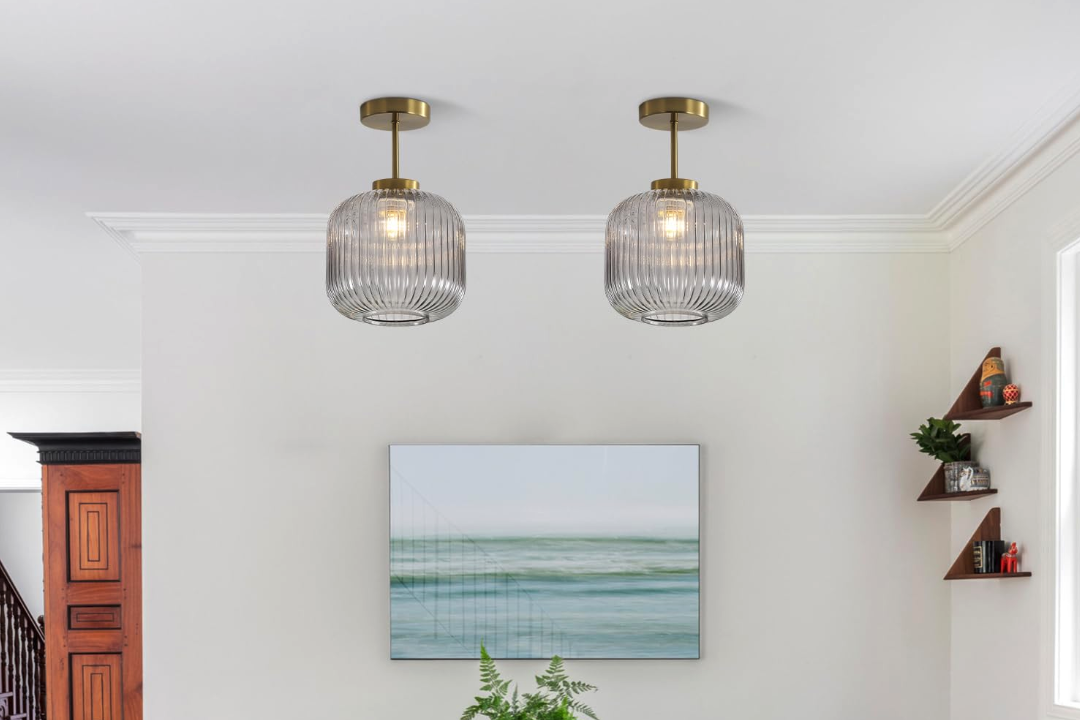
Looking to level up your mudroom? A brass schoolhouse ceiling light is a fantastic choice that offers both style and practicality. It brings a touch of classic charm without being stuffy, and its durable design is perfect for a hardworking space like a mudroom.
When you’re thinking about mudroom lighting, you want something that can stand up to a bit of wear and tear, offers good illumination, and genuinely looks good. Schoolhouse lights Tomosshop check all those boxes. They’ve got a timeless appeal that won’t feel dated in a few years, and their enclosed globe design is a real winner for a mudroom.
Built to Last
Let’s be honest, mudrooms aren’t always pristine. They’re high-traffic areas where dirty shoes, wet coats, and sometimes even muddy paws make their grand entrance. This means your fixtures need to be tough.
- Durable Materials: Typically, schoolhouse lights feature sturdy glass globes and metal bases. Brass, in particular, is known for its longevity and resistance to corrosion, making it ideal for a space that might encounter a bit of moisture.
- Enclosed Design: The enclosed globe protects the bulb from dust, dirt, and accidental bumps. This isn’t just about aesthetics; it also means less frequent cleaning and bulb changes.
- Easy to Clean: A quick wipe with a damp cloth is usually all it takes to keep a schoolhouse globe looking spiffy. No intricate nooks and crannies for grime to hide in.
Timeless Style
“Schoolhouse” isn’t a trendy, fleeting look; it’s a classic that has endured for decades. This means your mudroom won’t suddenly look out of style.
- Versatile Aesthetic: Whether your mudroom leans farmhouse, traditional, transitional, or even a bit industrial, a brass schoolhouse light can blend in beautifully. It offers a subtle vintage nod without being overly thematic.
- Historical Appeal: Originating in – you guessed it – schools, libraries, and public buildings from the early 20th century, these lights have a simple, honest design that feels authentic.
- Warmth of Brass: Brass adds a touch of warmth and sophistication. It’s a metal that patinas beautifully over time, developing a unique character that enhances its vintage appeal.
Excellent Illumination
Mudrooms need good light. You’re often sorting mail, shedding layers, or trying to find that missing glove. Dim, shadowy corners are a no-go.
- Even Light Distribution: The opal or frosted glass globes of schoolhouse lights diffuse light evenly across the room, reducing harsh shadows and glare. This is particularly helpful when you’re dealing with reflective surfaces or trying to spot something in a dark corner.
- Bright and Functional: When paired with the right wattage bulb, these fixtures can provide ample ambient light for the entire mudroom.
- Bulb Compatibility: Most modern schoolhouse fixtures are compatible with a range of bulb types, including energy-efficient LEDs, allowing you to control the color temperature and brightness to suit your preferences.
Choosing the Right Size and Finish
Getting the right size and shade of brass is key to making your schoolhouse light truly shine in your mudroom. It’s not just about picking one you like; it’s about making it fit the space.
Size Matters
A light that’s too small will look lost, and one that’s too big can overwhelm the room.
- Room Dimensions: A good rule of thumb for ceiling lights is to add the length and width of your room in feet, and that sum roughly equals the diameter of your fixture in inches. For example, a 6ft by 8ft mudroom (total 14ft) would suggest a 14-inch diameter fixture. This is a starting point, adjust for personal preference.
- Ceiling Height: If you have exceptionally high ceilings, you might consider a larger fixture or one with a slightly longer stem to bring the light down a bit. For standard 8-foot ceilings, flush mount or semi-flush mount schoolhouse lights are generally ideal.
- Visual Balance: Consider other elements in the mudroom. If you have chunky lockers or a hefty bench, a slightly larger light might be needed to maintain visual balance. If the room is minimalist, a more modestly sized fixture might be better.
Brass Finishes
Brass isn’t just “brass” anymore. There are several finishes, each offering a slightly different vibe.
- Polished Brass: This is your classic, shiny, bright gold look. It’s often lacquered to prevent tarnishing, maintaining its high-gloss finish. It brings a traditional, elegant feel.
- Aged or Antique Brass: This finish has a darker, more muted, and often satin appearance, sometimes with hints of brown or black. It’s designed to look like brass that has naturally patinated over time, offering a rich, vintage character without the wait.
- Satin or Brushed Brass: Softer than polished brass, this finish has a subtle sheen and a brushed texture. It’s less reflective and can feel a bit more contemporary and understated, while still retaining the warmth of brass.
- Unlacquered Brass: This is brass in its purest form, designed to naturally tarnish and develop a unique patina over time. If you love the idea of a living finish that tells a story, this is a great option. Just be aware it will change in appearance.
Installation Tips for Your Mudroom Lighting
Installing a ceiling light isn’t rocket science, but a few practical considerations specific to a mudroom can make a big difference.
Placement is Key
Where you put the light can impact its effectiveness and the overall feel of the room.
- Central Location: For general ambient light, placing the fixture in the center of the mudroom is usually the most effective strategy. This ensures light spreads evenly across the space.
- Over Work Zones: If your mudroom has a specific work zone (like a counter for folding laundry or a dedicated potting bench), you might consider additional task lighting, but the schoolhouse light should still provide good overhead illumination for this area.
- Doorway Clearance: Make sure the fixture isn’t so low that it impedes the opening of any doors (especially if it’s a semi-flush mount with a drop).
Wiring and Safety
Always prioritize safety when dealing with electrical work.
- Turn Off Power: Before you touch any wires, always turn off the power to the circuit at the breaker box. Double-check with a non-contact voltage tester.
- Existing Box: Most mudrooms will have an existing electrical box. Ensure it’s secure and rated for the weight of your new fixture.
- Grounding: Make sure the fixture is properly grounded as per local electrical codes.
- Professional Help: If you’re not comfortable with electrical work, it’s always best to hire a qualified electrician. It’s a small investment for peace of mind and safety.
Bulb Selection and Dimmer Switches
The right bulb and switch can enhance your mudroom’s functionality.
- LED Bulbs: Highly recommended for energy efficiency and longevity. Look for bulbs that offer the equivalent brightness of older incandescent bulbs but consume far less energy.
- Color Temperature: For a mudroom, a “warm white” (around 2700K-3000K) or “natural white” (around 3500K-4000K) is usually suitable. Warm white provides a cozy feel, while natural white is brighter and more task-oriented. Avoid “cool white” (4500K+) as it can feel harsh in a home setting.
- Dimmable Option: Installing a dimmer switch is a great idea. It allows you to adjust the light level depending on the time of day or task. Bright light for sorting school bags, softer light for a quick late-night entry. Make sure your chosen schoolhouse light and bulbs are compatible with dimmer switches.
Integrating Your Schoolhouse Light with Mudroom Decor
A brass schoolhouse light is a design anchor, but it doesn’t exist in a vacuum. Think about how it plays with everything else in the room.
Complementary Hardware
Consistency in metal finishes across your mudroom provides a cohesive, polished look.
- Hook Finishes: If you have coat hooks, consider brass or a coordinating dark bronze that picks up on the brass tones.
- Cabinet Pulls and Knobs: For built-in cabinetry or cubbies, brass hardware will tie in beautifully with your ceiling light. Even black or oil-rubbed bronze can work well, offering a nice contrast while maintaining a classic feel.
- Bench Legs or Accents: If your mudroom bench has metal legs or decorative accents, integrating brass or a compatible metal creates a thoughtful design.
Wall Color Considerations
The right wall color can make the brass pop or blend harmoniously.
- Warm Tones: Earthy greens, soft blues, creamy whites, or even a deep navy can beautifully complement the warmth of brass.
- Neutrals: Light grays, off-whites, and linen tones provide a clean backdrop that allows the brass light to stand out as a focal point without competition.
- High Contrast: Don’t shy away from darker colors. A rich forest green or a charcoal gray can make a brass fixture truly shine, creating a sophisticated and cozy atmosphere.
Bringing in Other Accents
Beyond hardware, other decorative elements can reinforce the schoolhouse style.
- Wainscoting or Paneling: Classic architectural details like wainscoting or beadboard paneling enhance the vintage appeal that a schoolhouse light evokes.
- Natural Materials: Wood benches, wicker baskets, and natural fiber rugs introduce texture and warmth, creating a welcoming and functional space that pairs well with the authentic feel of the brass fixture.
- Vintage Finds: A small antique mirror, an old school clock, or even some framed botanical prints can lean into the classic schoolhouse vibe without going overboard.
Troubleshooting and Maintenance
Even tough fixtures need a little love. Knowing how to troubleshoot common issues and maintain your light will keep it looking and working great for years.
Common Issues and Solutions
Sometimes, a light just doesn’t want to cooperate.
- Light Not Turning On:
- Check the Bulb: Is it screwed in tightly? Is it burnt out? Try a new bulb.
- Check the Switch: Is the switch faulty? (You’d need an electrician for this.)
- Check the Breaker: Has the circuit breaker tripped? Reset it.
- Loose Wiring: If none of the above, it could be a loose connection at the fixture or switch. This usually requires an electrician.
- Flickering Light:
- Bulb Type: Ensure your bulb is compatible with your dimmer switch, if installed. Some LEDs flicker on non-LED dimmers.
- Loose Bulb: Tighten the bulb in its socket.
- Voltage Fluctuations: Less common, but power surges can cause flickering.
- Faulty Wiring/Fixture: If persistent, an electrician should inspect.
- Buzzing Sound:
- Bulb Issue: Some older fluorescent or even certain LED bulbs can hum.
- Dimmer Compatibility: A dimmer switch that isn’t compatible with your bulb can cause buzzing.
- Loose Connections: Loose wiring in the switch or fixture can also cause a buzz.
Keeping Your Brass Shiny (or Patinaed)
How you clean your brass depends on the finish you chose.
- For Polished/Lacquered Brass:
- Mild Soap and Water: Simply wipe down with a soft cloth dampened with mild soap and water.
- Avoid Abrasives: Do not use abrasive cleaners or polishes, as they can damage the lacquer finish and lead to premature tarnishing.
- For Unlacquered Brass:
- Embrace the Patina: If you like the aged look, simply wipe with a dry or lightly damp cloth to remove dust. The brass will naturally darken and develop character over time.
- Polishing (Optional): If you prefer a brighter look, you can use a brass polish to restore its shine. Follow the product instructions carefully. This will remove the patina, which will then begin to reform.
- For Antiqued/Satin/Brushed Brass:
- Gentle Cleaning: Use a soft, damp cloth with a little mild soap.
- Avoid Harsh Chemicals: These can strip the specialized finish. Always test in an inconspicuous spot first if unsure.
Cleaning the Glass Globe
A clean globe ensures maximum light output.
- Regular Dusting: Dust the exterior of the globe regularly with a microfiber cloth.
- Deep Cleaning: Periodically, carefully remove the globe and wash it by hand in warm, soapy water. Use a non-abrasive cloth or sponge. Rinse thoroughly and allow it to dry completely before reattaching to prevent water spots and potential electrical hazards.
- Check for Cracks: While cleaning, briefly inspect the globe for any hairline cracks. If found, consider replacing it, as even small cracks can compromise safety and integrity.
By choosing a brass schoolhouse ceiling light, you’re not just picking a fixture; you’re investing in a piece that brings both enduring style and practical durability to one of your home’s busiest and often most overlooked spaces. It’s a simple, effective upgrade that makes a real difference.
