
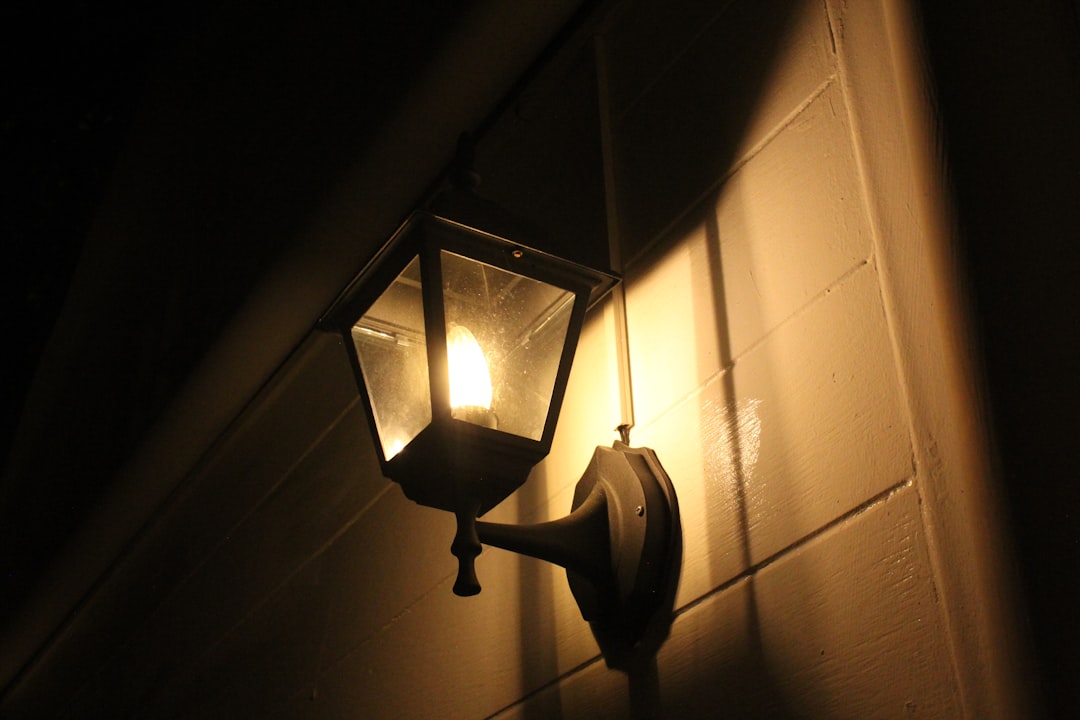
Thinking about sprucing up your patio and outdoor living space? If you’re after a blend of enduring charm, practical illumination, and a touch of classic style that won’t scream “modern minimalist” or “futuristic,” then a rustic copper lantern for your patio wall is an excellent choice. It’s not just a light source; it’s a statement piece, offering warmth and character that modern materials often can’t replicate.
Why Copper Stands Out
Copper, specifically, is a fantastic material for outdoor lighting Simiglighting, and its rustic iteration takes that inherent quality to the next level. Unlike many other metals, copper doesn’t rust in the traditional sense. Instead, it develops a beautiful patina over time – those greenish-blue hues that give aged copper its unique, sought-after look. This natural aging process means your lantern will look even better with age, rather than deteriorating. It’s also incredibly durable and resistant to corrosion from rain, snow, and even salty air if you live near the coast.
There’s something inherently inviting and timeless about rustic design, and copper fits perfectly within this aesthetic. It harkens back to a simpler time, evoking images of old-world craftsmanship and natural beauty.
Not Just a Trend, but a Legacy
Rustic isn’t a fleeting trend; it’s a design philosophy deeply rooted in tradition and comfort. It celebrates natural materials, handcrafted elements, and a sense of history. Copper, with its rich hue and natural aging process, aligns perfectly with this. It feels authentic, not mass-produced, even when it is.
Blending with Various Styles
While “rustic” is in the name, a copper lantern is surprisingly versatile. It doesn’t pigeonhole your patio into one specific look. Its understated elegance allows it to complement a wide range of outdoor decor.
Harmony with Farmhouse Chic
This is perhaps the most obvious pairing. The weathered wood, galvanized metals, and natural textures of farmhouse decor find a perfect partner in a rustic copper lantern. It adds warmth and an authentic period feel.
Enhancing Industrial Edge
If your patio has more of an industrial vibe, think exposed brick, wrought iron, and concrete, a rustic copper lantern can soften the edges while still providing that sturdy, utilitarian feel. The contrast can be quite striking.
Adding Warmth to Modern Minimalist
Even in a very modern, streamlined outdoor space, a single rustic copper lantern can act as a warm focal point, preventing the area from feeling too stark or cold. It introduces texture and a handmade quality that can be very grounding.
Complementing Coastal Comfort
For coastal homes, the natural patina of copper blends beautifully with the greens and blues of the sea. It stands up well to salty air and provides a classic, nautical-inspired touch without being overly themed.
Practical Considerations for Patio Lighting
Beyond aesthetics, a good patio light needs to be practical. It needs to illuminate effectively, withstand the elements, and be reasonably easy to install and maintain.
Illumination and Ambiance
Outdoor lighting isn’t just about seeing where you’re going; it’s about creating a mood. A patio wall lantern should provide adequate light without being harsh.
Finding the Right Brightness
Most rustic copper lanterns don’t come with integrated, super-bright LED arrays. They are designed to house standard bulbs. This gives you significant flexibility. You can opt for lower wattage incandescent or LED bulbs for a soft, ambient glow, perfect for relaxing evenings. For areas where more functional light is needed, like near a grill or outdoor kitchen, you can choose a higher lumen bulb.
Bulb Choice Matters
- Warm White LEDs: These are often the best choice for patio lighting. They are energy-efficient, long-lasting, and provide a cozy glow without the yellowish tint of traditional incandescent. Look for a color temperature around 2700K to 3000K.
- Edison-style LED Filaments: For that extra touch of vintage charm, consider LED bulbs designed to mimic the old incandescent filament bulbs. They look fantastic in an open-cage copper lantern.
- Dimmable Options: If your wiring supports it, a dimmable bulb connected to an outdoor dimmer switch is a game-changer. It allows you to adjust the light level from bright task lighting to a subtle, inviting glow.
Durability and Weather Resistance
This is where copper truly shines as an outdoor material. It’s built to last, often for generations, making it a very sustainable choice.
The Magic of Patina
As mentioned, copper doesn’t rust. Instead, it oxidizes, forming a protective layer called a patina. This layer actually protects the underlying metal from further corrosion. This means your copper lantern won’t deteriorate or develop ugly rust streaks down your wall. The patina itself can vary depending on local environmental conditions, from deep browns to vibrant greens and blues.
Robust Construction
Good quality rustic copper lanterns are typically made from solid, heavy-gauge copper. This makes them resistant to dents, dings, and high winds. Look for lanterns that are sealed well against water ingress, especially around the bulb housing and wiring connections.
Installation and Maintenance
While an electrician might be needed for initial hardwiring, maintaining a copper lantern is relatively straightforward.
Mounting Considerations
Most patio wall lanterns are designed to be surface-mounted, meaning they attach directly to your exterior wall over an existing electrical box. Ensure your chosen lantern comes with appropriate mounting hardware and detailed instructions. If you’re replacing an old fixture, take photos before you start to make rewiring easier. If there’s no existing wiring, consult a qualified electrician.
Low Maintenance, High Reward
Maintaining a copper lantern is surprisingly easy.
- Cleaning: A simple wipe-down with a damp cloth a few times a year is usually all that’s needed to remove dust, cobwebs, and environmental buildup. Avoid harsh abrasive cleaners or polishes, especially if you appreciate the natural patina.
- Patina Control (Optional): If you absolutely prefer the bright, shiny look of new copper, you can periodically polish your lantern with a copper cleaner and then apply a clear lacquer or wax to slow down the patination process. However, most people choose copper precisely for its aging properties.
- Bulb Replacement: This is the most frequent maintenance task. Ensure the power is off at the breaker before changing any bulbs.
Design Details and Features to Look For
Not all rustic copper lanterns are created equal. Paying attention to these details can help you choose the perfect one for your patio.
Craftsmanship and Materials
The quality of construction profoundly impacts both the aesthetics and longevity of your lantern.
Solid Copper vs. Copper-Plated
Always opt for solid copper if your budget allows. Copper-plated fixtures might look similar initially, but the plating can chip, peel, or scratch over time, exposing the underlying, less durable metal. Solid copper will develop a consistent, beautiful patina.
Glass Type
The type of glass used in the lantern’s panes affects both its appearance and light diffusion.
- Clear Glass: Offers the most unobstructed light output and showcases the bulb, especially desirable if you’re using decorative Edison-style bulbs.
- Seeded Glass: Has small air bubbles (seeds) embedded within, creating a subtle, antique look and diffusing light gently.
- Beveled Glass: Features angled edges that refract light, adding a touch of elegance and visual interest, often seen in more formal or traditional rustic styles.
- Frosted or Etched Glass: Provides a soft, diffused glow and helps reduce glare, but will also diminish overall light output.
Style Variations Within “Rustic”
Even within the “rustic copper lantern” category, there’s a good deal of stylistic diversity.
Traditional Colonial and Federalist
These styles often feature more ornate details, curled arms, and perhaps a more structured, rectangular or hexagonal shape. They evoke early American design.
Mission and Craftsman Influence
Characterized by clean lines, geometric shapes, and often exposed rivets or joints. These lanterns are sturdy, understated, and focus on honest craftsmanship.
Industrial Farmhouse Blend
These might incorporate elements like exposed cages, gooseneck arms, or a slightly more utilitarian feel, blending industrial ruggedness with farmhouse warmth.
Nautical Touches
Often featuring cage protection around the glass, rounded or elongated shapes, and sometimes solid brass accents, these lanterns evoke a maritime feel, perfect for coastal homes.
Special Features to Consider
A few extra features can enhance both the functionality and aesthetics of your lantern.
Integrated Motion Sensors
For security and convenience, a motion-activated sensor can be incredibly useful. It ensures your light only comes on when needed, saving energy and providing an alert when someone approaches.
Dusk-to-Dawn Sensors
These sensors automatically turn the light on at dusk and off at dawn. It’s a great “set it and forget it” option for consistently lit patios during evening hours.
Dark Sky Compliant
If you live in an area sensitive to light pollution, look for a “Dark Sky Compliant” rating. This means the fixture is designed to direct light downwards, minimizing upward light spill and glare, preserving the night sky.
Matching Fixtures
Consider if the manufacturer offers matching copper fixtures for other outdoor areas, like post lights, hanging lanterns, or pathway lights. This creates a cohesive look across your entire outdoor landscape.
Sizing and Placement Tips
Getting the right size and placing your lantern optimally are crucial for both functionality and visual balance.
Finding the Right Scale
An undersized lantern will look lost on a large wall, while an oversized one can overwhelm a smaller space.
Rule of Thumb for Exterior Lighting
A common guideline suggests the lantern’s height should be about 1/4 to 1/3 the height of the door it’s placed beside. If mounting on an open wall, consider the scale of the wall itself and any nearby architectural features.
Width and Projection
Also, consider the width of the lantern and how far it projects from the wall. Ensure it doesn’t impede pathways or interfere with opening doors. A lantern that’s too narrow might look insignificant.
Optimal Placement for Function and Aesthetics
Where you put the lantern makes a big difference.
Beside Doors
The most common placement is symmetrically on either side of an entrance door. Mount the light fixture so its center is roughly at eye level (around 66 inches from the ground), or slightly above.
Adjacent to Seating Areas
For patios with dedicated seating, placing lanterns on walls adjacent to these areas provides ambient lighting without being directly overhead or intrusive. This creates a cozy, intimate feel.
Near Outdoor Kitchens or Grills
If you have an outdoor cooking zone, a well-placed rustic copper lantern can provide essential task lighting. In this case, slightly higher lumen output might be desirable, or complement it with additional directional lighting.
Highlighting Architectural Features
Use lanterns to draw attention to interesting architectural elements of your home or patio, like a stone column, a decorative archway, or a unique wall texture.
Elevate Your Outdoor Space
A rustic copper lantern for your patio wall is more than just a light fixture; it’s an investment in the long-term beauty and character of your outdoor living area. Its timeless appeal, robust durability, and ability to develop a unique patina over time make it a truly special choice. By considering the practical aspects of illumination, installation, and maintenance, alongside the nuances of design and placement, you can select a lantern that perfectly complements your home and enhances countless evenings spent under the stars.
