
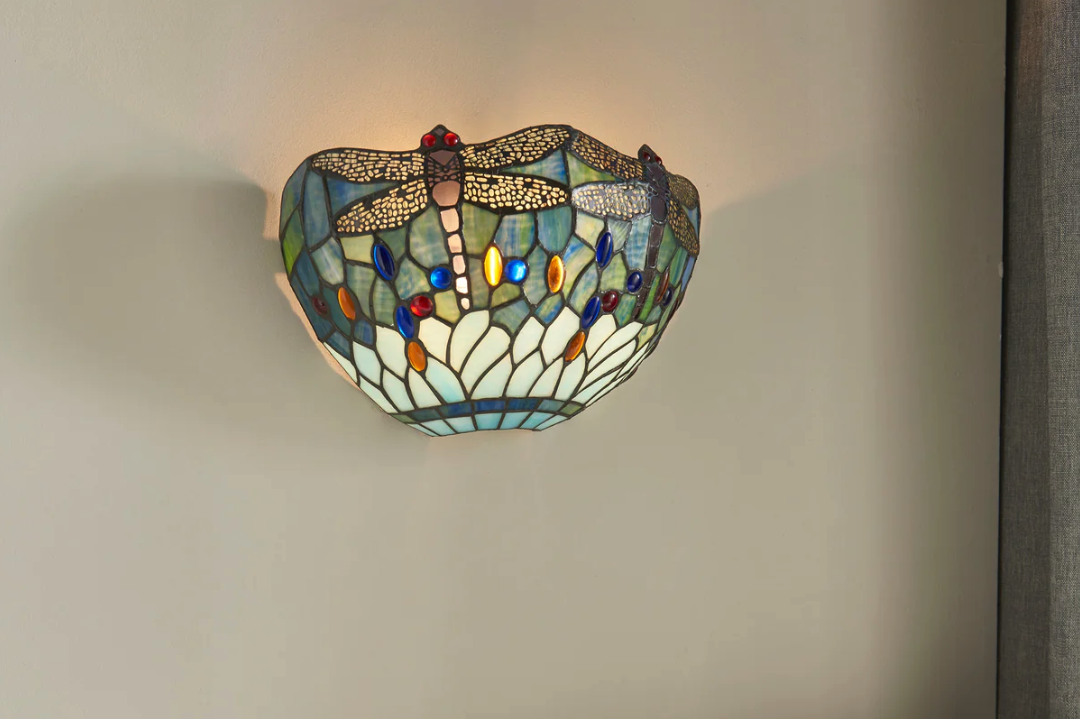
So, you’re wondering about the Art Nouveau Dragonfly Wall Lamp for your living room? Let’s get straight to it: these lamps aren’t just lighting fixtures; they’re pieces of art, designed to bring a unique blend of nature’s beauty and sophisticated craftsmanship into your home. They feature stained glass, often in vibrant, organic patterns, and are inspired by the flowing lines and natural forms characteristic of the Art Nouveau movement. Think graceful dragonflies, botanical motifs, and rich, jewel-toned glass, all working together to cast a warm, inviting glow.
To really appreciate these dragonfly lamps Aralle, it helps to understand a bit about the Art Nouveau movement itself. It was a distinctive artistic style that flourished from about 1890 to 1910, a reaction against the academic art of the 19th century and the industrial mass production that was becoming prevalent.
Rejecting the Industrial Age
Art Nouveau artists and designers emphasized handcrafted quality and sought to elevate everyday objects to the status of fine art. They were tired of the repetitive, machine-made goods and wanted to bring beauty and individuality back into people’s lives. This meant a strong emphasis on originality and bespoke pieces.
Nature as Muse
The natural world was a huge inspiration. You’ll see a lot of leaves, flowers, vines, insects (especially dragonflies and butterflies), and even birds. The goal wasn’t to copy nature exactly, but to capture its organic, flowing lines and inherent beauty. Think about the way a vine elegantly twists or a dragonfly’s wings shimmer – that’s the kind of aesthetic they were going for.
Curves, Not Corners
One of the most defining characteristics of Art Nouveau is its curvilinear nature. Forget straight lines and sharp angles; this style embraces graceful, sinuous curves. This can be seen in everything from furniture design to architecture, and, of course, in the intricate metalwork and glass patterns of lamps. These flowing lines create a sense of movement and fluidity that is very visually appealing.
A Global Phenomenon
While it had different names in various countries – Jugendstil in Germany, Secession in Austria, Modernismo in Spain – the core principles remained consistent. It was a truly international movement, spreading its influence across Europe and North America, leaving a legacy of stunning art and design.
The Dragonfly Motif: More Than Just an Insect
The dragonfly wasn’t just a random choice for Art Nouveau artists. It held particular significance and quickly became one of the most iconic symbols of the movement.
Symbolism and Meaning
Dragonflies are often associated with change, transformation, and adaptability. Their iridescent wings and agile flight captivated artists who saw in them a perfect representation of beauty, lightness, and ethereal qualities. They were also seen as symbols of the untamed, mysterious aspects of nature, fitting perfectly with the movement’s desire to reconnect with the natural world.
Functional Beauty
Beyond symbolism, the dragonfly’s form simply lent itself beautifully to artistic interpretation. Its delicate wings, slender body, and large, expressive eyes could be rendered in stained glass and metalwork in countless elegant ways. The patterns on their wings, the variations in their body color, all offered a rich palette for designers.
A Nod to Tiffany
You can’t talk about Art Nouveau dragonfly lamps without mentioning Louis Comfort Tiffany. His famous “Dragonfly” lamp designs are perhaps the most iconic examples. These lamps, with their intricate leaded glass wings and ornate bronze bases, set the standard for what an Art Nouveau lamp could be. While many lamps you see today are inspired by Tiffany, they all owe a debt to his pioneering vision in combining glass art with lighting.
Why a Stained Glass Wall Lamp?
Choosing a wall lamp, especially one made from stained glass, offers several distinct advantages for your living room over other types of lighting.
Ambient Glow
Stained glass filters light beautifully. Instead of a harsh, direct beam, you get a diffused, colored glow that creates a much softer and more inviting atmosphere. This is perfect for a living room where you want to relax and unwind. The colored light can also add warmth to a room, especially in cooler climates.
Space Saving
Unlike a floor lamp or a large table lamp, a wall lamp doesn’t take up any floor or surface space. This is a big plus, especially in smaller living rooms or areas where you want to keep surfaces clear. It’s a great way to add decorative lighting without clutter.
Directing Attention
Wall lamps can be used to highlight specific areas or features in your living room, like a piece of art, a cozy reading nook, or a particular architectural detail. They draw the eye upwards and can make a room feel more layered and thoughtfully designed. The lamp itself also serves as a focal point.
Artistic Statement
Let’s be honest, a stained glass Art Nouveau wall lamp isn’t just about lighting your room; it’s about making a statement. It’s a piece of art that reflects your personal style and appreciation for craftsmanship. It shows you’ve put thought into your decor beyond just functional necessities.
Integrating Your Dragonfly Lamp into Your Living Room Decor
Adding an Art Nouveau Dragonfly Wall Lamp to your living room needs a bit of thought to make sure it truly shines and complements your existing decor.
Placement is Key
Where you hang your lamp makes a huge difference. Consider these spots:
- Above a Console Table: This creates a lovely vignette, especially if you have a mirror or some decorative items on the table. The lamp’s light will bounce off these objects, enhancing the overall effect.
- Beside a Sofa or Armchair: If you’re setting up a reading nooks, a wall lamp can provide excellent task lighting without needing a table beside the seating. This creates a cozy, defined zone.
- In a Hallway or Entryway: While not strictly the living room, if your living room opens directly into one of these, a wall lamp here can offer a welcoming glow and tie the spaces together thematically.
- To Highlight Wall Art: Position the lamp to cast light on a prized painting or photograph, turning it into a gallery-like display. The colored light can interact beautifully with certain artworks.
Complementary Styles
While an Art Nouveau lamp is a strong statement, it can surprisingly blend with a variety of decor styles:
- Eclectic Chic: This is a natural fit. Mix your Art Nouveau lamp with vintage finds, modern pieces, and global accents for a truly unique and personalized space. The diversity of textures and periods works well.
- Traditional Elegance: The rich colors and intricate details of the lamp can beautifully enhance a more traditional living room with antique furniture and classic textiles. It adds a touch of historical grandeur.
- Bohemian Rhapsody: The organic forms and handcrafted feel of Art Nouveau resonate well with the natural materials, earthy tones, and relaxed vibe of bohemian decor. Think lush plants and comfortable seating.
- Modern Minimalist (with a twist): If your living room is predominantly minimalist, a single Art Nouveau lamp can serve as a stunning focal point, injecting color and character without overwhelming the clean lines. It becomes an intentional pop of vibrant history.
Color Coordination
Think about the dominant colors in your stained glass lamp and how they relate to your living room’s palette.
- Harmonious Hues: If your lamp features greens and blues, consider incorporating these shades into throw pillows, artwork, or decorative objects elsewhere in the room. This creates a cohesive feel.
- Contrasting Pop: Alternatively, let the lamp be a vibrant contrast to a more neutral living room. A lamp with warm reds and oranges can really stand out against a backdrop of grays, whites, and creams.
- Warm vs. Cool: Consider the overall tone you want for the room. A lamp with more amber, red, and orange tones will create a warmer feeling, while greens and blues lean towards a cooler, more serene vibe.
Maintenance and Care for Stained Glass Lamps
A stained glass lamp is an investment, both financially and aesthetically. Taking care of it properly ensures it remains a beautiful focal point for years to come.
Gentle Cleaning is Key
Stained glass is delicate, and the lead or copper foil holding the pieces together needs gentle handling.
- Dusting: Use a soft, dry microfiber cloth or a soft-bristled brush (like a clean, dry paintbrush) to gently dust the glass and metalwork regularly. This prevents dust buildup that can dull the lamp’s appearance.
- Spot Cleaning: For stubborn smudges or fingerprints, lightly dampen a soft cloth with distilled water (to avoid mineral deposits from tap water). Gently wipe the affected area. Avoid harsh chemical cleaners, window cleaners, or abrasive materials, as these can damage the solder, patina, or the glass itself.
- Avoid Submerging: Never submerge any part of the lamp in water. This can damage the electrical components and the structural integrity of the leaded glass.
Protecting the Patina
Many Art Nouveau lamps, especially those with bronze or dark metal bases, have a patina – a thin layer that forms on the surface due to oxidation over time or applied intentionally. This patina gives the lamp its antique look.
- No Polishing: Do not use metal polishes on patinated surfaces. Polishing will remove the patina, which reduces the lamp’s aesthetic value and can even harm its original finish.
- Gentle Wiping: Simply dust the metal components regularly with a soft, dry cloth. If absolutely necessary, a very lightly damp cloth with distilled water can be used, but always ensure it’s dried immediately.
Electrical Check-ups
Just like any electrical fixture, periodic checks are a good idea.
- Wiring: Occasionally inspect the lamp’s cord and wiring for any signs of fraying, cracking, or damage. If you notice any issues, have it repaired by a qualified electrician immediately.
- Bulb Type: Always use the recommended bulb wattage. Overheating from an overpowered bulb can damage the glass and wiring. LED bulbs are often a great choice for stained glass lamps as they run cooler, are energy- efficient, and come in various color temperatures (warm white is generally best for Art Nouveau lamps).
Handling with Care
When moving or cleaning the lamp, always handle it by its base or metal frame, not by the fragile glass shade. The individual glass pieces are strong, but the solder joints are more delicate. If you need to store it, wrap it carefully in soft material and place it in a sturdy box.
By following these simple care instructions, your Art Nouveau Dragonfly Wall Lamp will continue to enchant and illuminate your living room for many years, preserving its beauty and intricate craftsmanship.
