
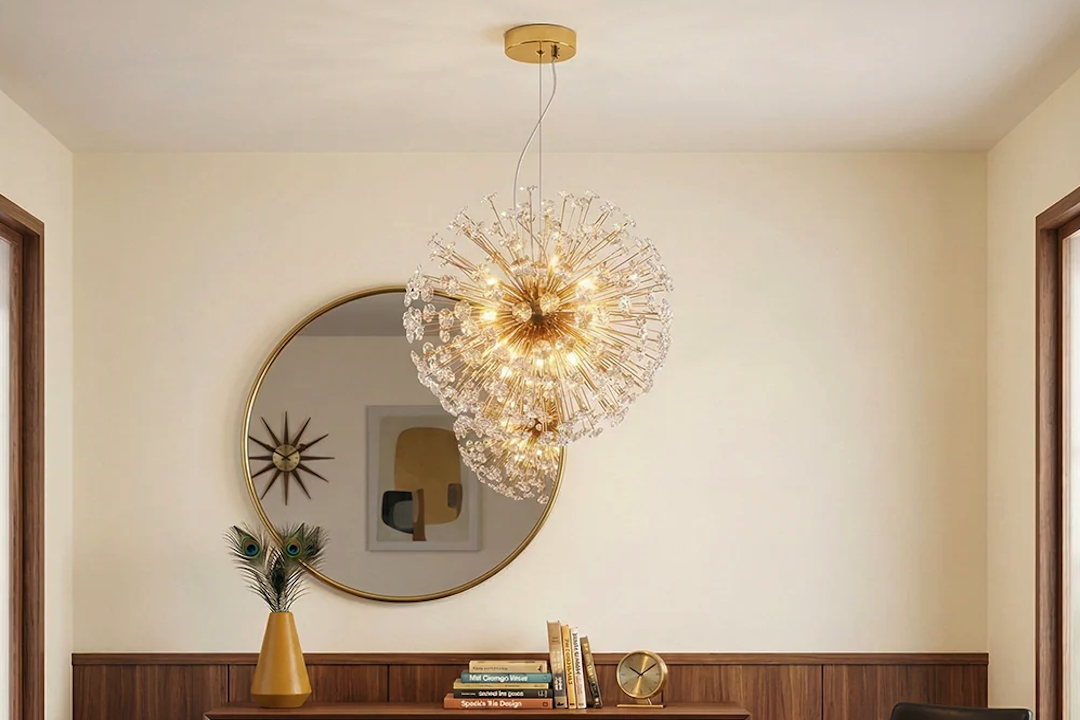
You’re probably wondering if a stunning modern gold pendant light is the right choice for your grand foyer. The short answer is: yes, it absolutely can be! A well-chosen gold pendant can elevate your entryway from functional to fabulous, creating a memorable first impression that sets the tone for your entire home. It’s a statement piece that can add warmth, sophistication, and a touch of drama.
But it’s not just about picking the prettiest thing. There’s a bit more to it, and that’s what we’ll dive into. We’ll look at how to make sure the size is right, what kind of “gold” to look for, and how to work it into your overall design.
It’s All About Scale: Finding the Perfect Size
When you’re talking about a grand foyer, “grand” is the keyword, and that applies to your lighting Sktong too. A tiny pendant will get lost, and an oversized one can overwhelm the space. Getting the scale right is probably the most important piece of advice.
Decoding Foyer Dimensions
Before you even start browsing, grab a tape measure. You need to know the height and width of your foyer. This isn’t just for aesthetics; it’s crucial for safety and functionality. You don’t want people ducking or bumping their heads.
- Ceiling Height Matters: For foyers with high ceilings (think 12 feet and up), you have more flexibility. A longer chain or rod is essential to bring the pendant down to a more impactful visual level. For standard 9-10 foot ceilings, you’ll need to be more mindful of drop length to maintain clearance.
- Floor Space is Key: Consider the overall footprint of your foyer. A wider space can handle a larger diameter pendant, while a narrower or more rectangular foyer might benefit from a longer, more linear pendant to draw the eye.
The “Rule of Thumb” (and When to Break It)
There are some general guidelines out there, like measuring the length and width of your foyer and adding them together – that sum in inches can give you a rough idea of the ideal diameter of your pendant. For example, if your foyer is 10 feet by 15 feet (120 inches by 180 inches), the sum is 300 inches, suggesting a pendant around 30 inches in diameter.
However, these are just starting points. A truly grand foyer might call for a pendant that breaks these rules slightly, especially if it’s a truly spectacular design.
- Consider Multi-Tiered or Cluster Pendants: If a single large pendant feels a bit too simple, a cluster of smaller gold pendants or a multi-tiered fixture can create significant visual impact without necessarily having an enormous single drop.
- The Ceiling’s Role: A very high, vaulted ceiling can visually “absorb” a larger pendant. Conversely, if your ceiling is lower but you have a very wide foyer, a wider, shallower pendant might be more appropriate than a deep, narrow one.
Drop Length: The Crucial Detail
This is where functionality meets style. The pendant needs to be visible and impactful, but also functional.
- Minimum Clearance: The general rule of thumb for a main pathway is at least seven feet of clearance from the floor to the bottom of the pendant. In a grand foyer, you might aim for eight feet or more, especially if you have tall guests or furniture.
- Visual Balance: Think about the height of your entry door, any staircases leading off the foyer, and the seating or console tables you might have. The pendant should feel like it belongs in the space, not awkwardly hanging too high or too low.
- Adjustable Options: Many modern pendant lights come with adjustable rods or chains, which is a lifesaver. This allows you to fine-tune the drop length to perfection after installation.
Beyond “Gold”: Understanding the Palette
When we say “gold,” it’s not a one-size-fits-all situation. The specific hue and finish of the gold can drastically change the mood and style of your foyer. Modern gold isn’t always that traditional, yellowy, high-shine brass of yesteryear.
The Spectrum of Gold Finishes
Modern gold finishes often lean towards a more muted, sophisticated look. Think about the different undertones and textures.
- Brushed Gold/Satin Brass: This is a very popular choice for a reason. It has a soft, matte finish that catches the light subtly. It’s warm and inviting without being flashy, making it incredibly versatile for modern designs.
- Antique Brass: This finish has a slightly darker, more aged appearance, often with subtle variations in tone. It can add a touch of old-world charm to a modern piece, lending a sense of history and depth.
- Polished Brass (with a caveat): If you love the shine, polished brass can work, but it needs to be a cleaner, less overtly yellow tone. Sometimes modern iterations have a slightly more champagne or rose gold undertone, which can feel more contemporary. Be mindful that high-gloss can sometimes feel a bit dated if not executed well in a modern design.
- Champagne Gold/Soft Gold: These terms often describe a paler, more subtle gold with neutral undertones. They can be excellent if you want the warmth of gold without it dominating the color scheme.
- Mixed Metals: Don’t be afraid to consider pendants that incorporate gold with other finishes like matte black, brushed nickel, or even clear glass. This can add visual interest and make the pendant more adaptable to your existing decor.
The Impact of Light Quality
The way the gold finish interacts with light is just as important as the finish itself.
- Reflectivity: A highly polished gold will reflect more light, making your foyer feel brighter. A matte finish will absorb light more, creating a softer, more ambient glow.
- Color Temperature: Consider how the gold will look under your foyer’s lighting. Warm LED bulbs will enhance the golden tones, while cooler bulbs might make them appear more neutral.
Style Synergy: Matching Your Foyer’s Vibe
A stunning pendant light isn’t an island; it needs to play well with the rest of your foyer’s design. Modern gold offers surprising versatility, but you still need to consider the overall aesthetic.
Defining Your Modern Aesthetic
“Modern” can mean a lot of things. Is your foyer minimalist, mid-century inspired, industrial, or perhaps a bit more transitional?
- Minimalist Modern: For a truly minimalist space, a pendant with clean lines, simple geometric shapes, and a subtle gold finish (like brushed or champagne gold) will be perfect. Avoid overly ornate details.
- Mid-Century Modern: A spherical or globe-shaped pendant in a warm brass finish can evoke a mid-century feel. Think less about sharp angles and more about organic shapes.
- Industrial Modern: Exposed bulbs, darker gold finishes, and perhaps a cage-like design could suit an industrial modern foyer. Pairing gold with black or dark wood elements works well here.
- Transitional Modern: If your foyer blends traditional and modern elements, a pendant with clean lines but perhaps a slightly more classic silhouette in an updated gold finish (like antique brass) could be a great bridge.
The Material Conversation
Think beyond just the gold. What other materials are present in your foyer?
- Wood Tones: Gold pairs beautifully with all wood tones, from light oak to rich walnut. Consider how the pendant’s gold finish might complement or contrast with any wooden furniture, flooring, or architectural details.
- Stone and Marble: If you have marble flooring or a stone accent wall, a gold pendant can add a touch of glamour and warmth, contrasting elegantly with cooler neutral tones.
- Metals (already in play): Do you have other metal accents like door hardware, mirror frames, or staircase railings? Try to create a cohesive look. While you don’t need everything to match perfectly, aim for a harmonious blend of finishes.
The “Statement” Factor: Beyond Just Illumination
Your foyer pendant is your first chance to make a statement. A modern gold pendant can do this in several ways, not just by being shiny.
The Dramatic Silhouette
The shape of the pendant is a huge part of its personality.
- Geometric Wonders: Think sharp cubes, elegant hexagons, or striking rectangular frames. These designs are inherently modern and can create a strong visual anchor.
- Spheres and Globes: A cluster of delicate gold spheres or a single oversized globe can offer a softer, more organic modern feel. The translucency of the glass also plays a role here.
- Linear and Cascading Designs: For longer foyers or those with dramatic staircases, a linear pendant or a cascading design with multiple light sources can guide the eye and create a sense of movement.
- Architectural Forms: Some modern pendants are designed to look like small sculptures, with intricate metalwork or unique structural elements that are artistic in their own right.
The Glow Factor: How it Illuminates
The way a pendant casts light is part of its statement.
- Uplighting and Downlighting: Some pendants direct light upwards, washing the ceiling and creating a sense of spaciousness, while others cast light downwards, highlighting the floor and any entryway rug. Many do a combination.
- Diffused Light: If the pendant has frosted glass or a shade, it will create a softer, more diffused light, which can be very welcoming.
- Exposed Bulbs: For a more dramatic, edgy look, pendants with exposed bulbs draw attention to the light source itself. Consider the style of the bulbs – Edison-style filament bulbs add vintage flair, while clear glass globe bulbs offer a clean, modern look.
Installation and Practicalities: Getting it Right
Once you’ve found “the one,” the next step is getting it installed correctly. This isn’t a DIY job for most people, especially with a large, heavy fixture in a high foyer.
Professional Installation is Key
For a grand foyer pendant, especially one that hangs significantly from the ceiling, hiring a qualified electrician is non-negotiable.
- Safety First: They understand wiring, load-bearing capacity of ceiling boxes, and ensuring the fixture is securely mounted to prevent accidents.
- Proper Height Adjustment: An experienced installer can help you fine-tune the drop length precisely, ensuring it looks and functions perfectly. They can also advise on the best way to hang it if you have an unusually high or angled ceiling.
- Dimmer Compatibility: If you want to control the mood in your foyer, ensure your pendant is compatible with a dimmer switch. Your electrician can advise on this and install one if needed.
Lighting Layers: The Foyer Ecosystem
Your pendant is the star, but it doesn’t have to do all the work. Think about how it fits into the overall lighting scheme of your foyer.
- Ambient Lighting: The pendant provides much of this, but you might supplement it with discreet can lights in the ceiling or wall sconces.
- Task Lighting: If you have a console table, a small lamp on it can provide focused light for keys or mail.
- Accent Lighting: Carefully placed spotlights can highlight artwork or architectural features in your foyer.
- The Power of Dimmers: As mentioned, dimmers are your best friend for adjusting the ambiance. You might want a brighter light when guests arrive, but a softer glow for a more intimate evening.
Maintenance: Keeping it Gleaming
Gold, especially the finishes we’ve discussed, can require a little upkeep to stay looking its best.
- Gentle Cleaning: For brushed or satin finishes, a soft, dry microfiber cloth is usually all you need for everyday dusting. Avoid abrasive cleaners or harsh chemicals that can damage the finish.
- Occasional Polishing (with care): If a polished finish starts to dull, you might use a specific metal cleaner designed for the type of gold you have. Always test in an inconspicuous area first. For antique brass, sometimes the aging is part of the charm, so don’t over-clean it.
- Bulb Replacement: Make sure you know what type of bulbs your pendant uses so you can easily replace them when needed.
By considering these aspects, you can move beyond just admiring a stunning modern gold pendant light and confidently choose one that will truly enhance your grand foyer, making it a space that’s both visually breathtaking and welcoming.
