
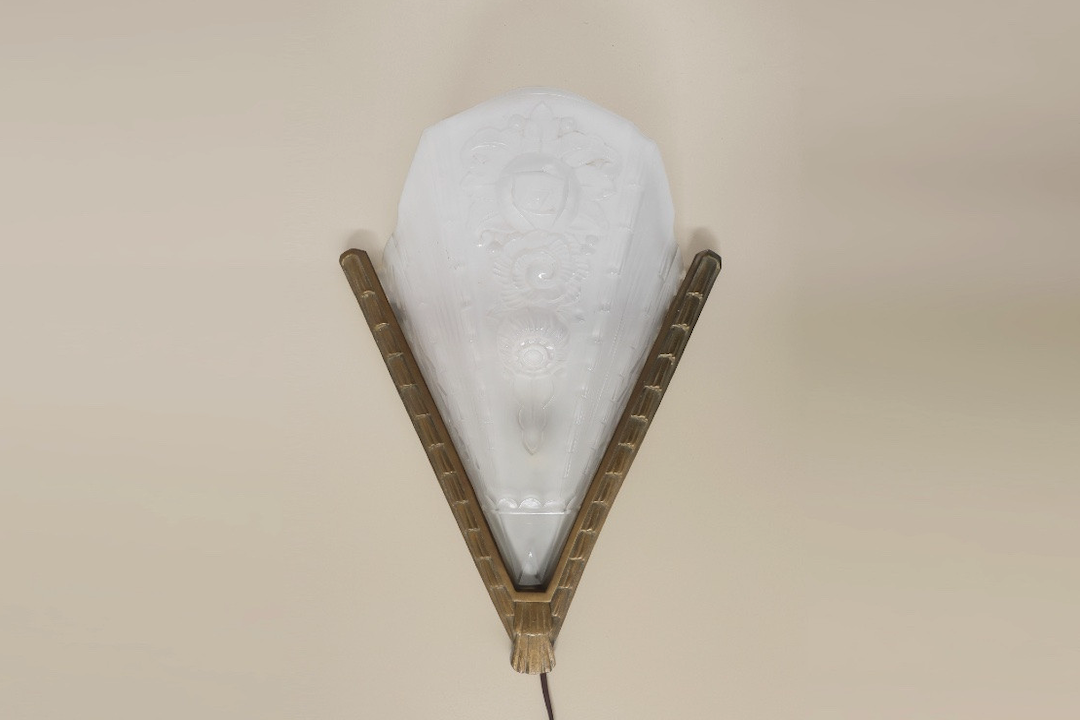
So, you’re eyeing up one of those beautiful Art Deco frosted glass wall lights and wondering what makes them so special, or perhaps how to even start thinking about bringing one into your home? You’re in the right place. These aren’t just light fixtures; they’re little pieces of history that can completely transform a space, adding that touch of glamour and sophistication the Art Deco era is famous for. Forget the jargon and the pushy sales talk, let’s dive into what makes these lights a truly stunning choice for your home.
What’s the big deal with these lights? Well, it’s their unique blend of form and function. Art Deco, as a style, is all about bold geometric shapes, luxurious materials, and a sense of streamlined elegance. Frosted glass, in particular, plays a crucial role. It takes harsh light Simig and softens it, creating a gentle, diffused glow that’s incredibly inviting and flattering. Combine that with the often-chrome or polished metal accents typical of the era, and you get a wall light that’s both a functional light source and a decorative statement. They evoke a sense of the Roaring Twenties and Thirties, a time of jazz, flappers, and a palpable sense of optimism, and that feeling can be brought right into your modern home.
A Snapshot of Art Deco Design
Before we get too deep into the lights themselves, it helps to understand the broader Art Deco movement. Think symmetry, clean lines, and often, a nod to modern machinery and exotic influences. It’s a style that’s both opulent and functional, avoiding fussy ornamentation for more architectural and stylized decoration. Materials like glass, chrome, bakelite, and exotic woods were popular. This sensibility is directly reflected in the wall lights, where the material of the glass and the lines of the metalwork communicate the era’s essence.
Why Frosted Glass Reigns Supreme
Frosted glass isn’t just about diffusing light; it has a tactile quality that adds depth and warmth. Unlike clear glass, which can sometimes feel sterile, frosted glass has a soft, matte finish that feels pleasing to the touch and visually appealing. In the context of Art Deco wall lights, this frosted finish is crucial for achieving that signature, sophisticated ambiance. It prevents glare and creates a gentle illumination that can highlight architectural features or simply make a room feel more comfortable.
Unpacking the Design Elements
When you look at an Art Deco frosted glass wall light, there are several key design elements that stand out. These aren’t random choices; they’re carefully considered to create a cohesive and impactful aesthetic. Understanding these details will help you appreciate the craftsmanship and choose a light that truly resonates with your personal style and your home’s character.
Geometric Patterns and Symmetry
Art Deco loved geometry. You’ll often see circular motifs, fan shapes, stepped patterns, and strong linear elements within the frosted glass itself, or in the metalwork surrounding it. Symmetry is also a hallmark; many mounts and shades are perfectly balanced, creating a sense of order and visual harmony. This isn’t just decorative; it’s a deliberate choice that contributes to the overall sophisticated and grounded feel of the design.
The Circle and the Sphere
Circles and spheres are recurring themes. Think of circular frosted glass panels, sometimes with etched geometric patterns, or globe-shaped frosted shades. These simple yet powerful forms embody the streamlined elegance of the era.
Stepped and Zigzag Motifs
You might also encounter stepped or zigzag designs, reminiscent of ziggurats or modern architecture. These add a dynamic energy to the otherwise smooth frosted glass and metal.
Material Combinations: Metal and Glass Harmony
The magic of these lights often lies in how the frosted glass interacts with other materials, most notably metal. Chrome, brass, nickel, and sometimes even polished steel were used for the mounting hardware and decorative elements. The contrast between the cool, smooth metal and the soft, matte glass is a defining characteristic.
The Shine of Chrome
Chrome was incredibly popular in the Art Deco period, symbolizing modernity and luxury. Its reflective surface catches and bounces light, complementing the diffused glow from the frosted glass.
The Warmth of Brass and Nickel
Other metals like polished brass or nickel offer a warmer, more nuanced feel. They can lend a more vintage or opulent character to the light, depending on the finish and the design of the fixture.
The Shape of the Shade
The actual shape of the frosted glass shade is another crucial factor. They can range from simple rectangular panels to more elaborate, sculpted forms that resemble flowers, fans, or even abstract geometric shapes. The silhouette of the shade itself is a significant part of the light’s artistic statement.
Cylindrical and Globe Shades
These are common for a classic, understated Art Deco look, offering a soft, all-around light.
Fan and Petal Shapes
More decorative designs might feature shades that mimic the fanning out of a peacock feather or the unfolding of flower petals, adding a touch of organic elegance.
Practical Considerations for Installation and Placement
Beyond just looking good, these lights need to fit practically into your home. Thinking about where you’ll put them and how they’ll be installed is just as important as choosing the right style. These aren’t just decorative pieces; they’re functional elements that need to work within wiring systems and suit your daily living.
Where to Place Your Art Deco Wall Lights
The beauty of wall lights is their versatility. They’re perfect for adding accent lighting, illuminating pathways, or providing ambient light in areas where a ceiling fixture might be too dominant. Consider them for:
Hallways and Corridors
These are prime spots. They add a touch of elegance to often-overlooked transitional spaces, making a dramatic first impression.
Living Rooms and Dining Rooms
Use them to flank a fireplace, highlight artwork, or provide softer ambient lighting than a central overhead fixture. They can create intimate zones within larger rooms.
Bedrooms
Ideal for bedside lighting, offering a gentle glow for reading without the need for bulky lamps. They can also be placed along walls to provide overall mood lighting.
Bathrooms
While you’ll want to ensure they’re suitable for a bathroom environment (check IP ratings for moisture resistance), an Art Deco frosted glass light can elevate a bathroom into a spa-like sanctuary.
Installation: DIY vs. Professional
This is a big one. While the idea of a DIY installation might be appealing to save money, electrical work can be dangerous if not done correctly.
When to Call a Professional Electrician
For most people, especially if you’re not comfortable with wiring or if the existing wiring in your home is old, hiring a qualified electrician is the safest bet. They’ll ensure the light is installed correctly, safely, and up to code. This is particularly important for hardwired fixtures.
Simple Plug-In Options
Some modern reproductions of Art Deco wall lights might come with a plug and cord, making them easier to install without needing an electrician. However, always double-check the product description and ensure the cord length and plug type are suitable for your intended use. They should still be secured properly to the wall to prevent them from falling.
Wiring and Power Considerations
Newer fixtures will likely wire into existing junction boxes. Older homes might have different wiring systems, and an electrician can help assess compatibility and make any necessary modifications. Ensure the total wattage of the bulbs used doesn’t exceed the fixture’s rating.
Caring for Your Frosted Glass Masterpiece
These lights are beautiful, but like any vintage-inspired or delicate item, they require a bit of care to keep them looking their best. It’s not complicated, but a little attention goes a long way in preserving their charm.
Cleaning the Frosted Glass
The frosted glass needs gentle treatment. Harsh cleaners can damage the finish or the etching.
The Gentle Approach
For regular dusting, a soft microfiber cloth is usually sufficient. For more stubborn marks or grime, a slightly damp cloth with plain water or a very diluted solution of mild dish soap is best. Always ensure the cloth is well wrung out to avoid excess water.
Avoiding Abrasives
Never use abrasive cleaners, scouring pads, or harsh chemicals like window cleaner with ammonia, as these can scratch or dull the frosted finish.
Maintaining the Metalwork
The metal components also benefit from a bit of attention, depending on the material.
Polishing Chrome
Chrome can be polished with a soft cloth and a mild chrome polish if it dulls over time. Avoid using too much polish, as it can build up.
Caring for Brass and Nickel
Brass and nickel can either be polished to a high shine or left to develop a natural patina, depending on the desired aesthetic. If polishing, use a dedicated metal polish and follow the product instructions.
Bulb Replacement and Safety
When it’s time to replace a bulb, always ensure the light is turned off at the switch and, for added safety, at the breaker.
Choosing the Right Bulb
Check the maximum wattage the fixture can handle. Many modern reproductions are designed for LED bulbs, which are energy-efficient and produce less heat, making them ideal for enclosed fixtures and protecting the delicate glass. Opt for warm white LEDs to complement the Art Deco ambiance.
Beyond the Look: The Ambiance They Create
It’s not just about the visual appeal. The way an Art Deco frosted glass wall light makes you feel in a space is a huge part of its charm. It’s about the atmosphere it cultivates.
Creating a Warm and Inviting Glow
The diffused light from frosted glass is inherently softer and more forgiving than direct light. This creates an ambiance that’s cozy, welcoming, and sophisticated. It’s less about harsh illumination and more about setting a mood, making your home feel more like a sanctuary.
Highlighting Architectural Features
Strategically placed wall lights can be used to draw attention to specific architectural details in your home. Think of highlighting ornate moldings, textured wallpaper, or even a beautiful piece of art. The gentle light will enhance these features without overpowering them.
Adding a Touch of Vintage Sophistication
Even in a modern setting, these lights inject a dose of timeless elegance. They’re a sophisticated choice that signals an appreciation for design and history, instantly elevating the decor of any room. It’s a subtle way to add a characterful accent that tells a story.
Finding the Right Art Deco Frosted Glass Wall Light
So, you’re convinced. Now, where do you find these gems? The good news is, there are options for various budgets and styles.
Vintage vs. Reproduction
This is a key decision point. Do you want an authentic piece of history, or a modern interpretation?
The Charm of Vintage Finds
If you’re lucky, you might stumble upon genuine vintage Art Deco wall lights at antique shops, flea markets, or salvage yards. These pieces carry the patina of age and a unique story. However, they can be more expensive and may require restoration or rewiring. Authenticity comes with its own set of considerations and potential costs.
The Practicality of Reproductions
Many manufacturers now create faithful reproductions of Art Deco wall lights. These offer the benefit of modern electrical components, often being ETL or UL certified for safety, and are generally more readily available. They allow you to achieve the Art Deco look without the potential headaches of restoring an antique. Quality can vary, so do your research on brands and materials.
Where to Shop
Your search can take you to a few different places, each offering unique finds.
Specialty Lighting Stores
These are a great go-to for a wide selection of both vintage and reproduction fixtures. They often have knowledgeable staff who can guide you.
Online Retailers
The internet is a vast marketplace. Websites like Etsy, eBay, and dedicated vintage lighting sites often have a good selection. For reproductions, look at major home decor and lighting online stores. Always check reviews and seller ratings.
Architectural Salvage Yards
For the adventurous treasure hunter, these places can yield incredible, one-of-a-kind vintage fixtures. Be prepared to sift through a lot, and know what you’re looking for in terms of condition and materials.
What to Look for When Buying
When you’re ready to purchase, keep these points in mind to ensure you’re getting a quality piece that will last.
Condition (for vintage)
Inspect for cracks, chips, or significant wear on the glass. Check the metalwork for corrosion or damage. Ensure all mounting hardware is present.
Materials and Craftsmanship
Good quality reproductions will use solid metal components and well-finished glass. The frosting should be even and consistent.
Electrical Safety Certifications
For reproductions, look for UL or ETL certification, which indicates the product has been tested and meets safety standards. If buying vintage, factor in the cost of having it rewired by a professional.
By understanding the design, the practicalities, and the history behind these beautiful fixtures, you can confidently bring the timeless elegance of an Art Deco frosted glass wall light into your home.
