
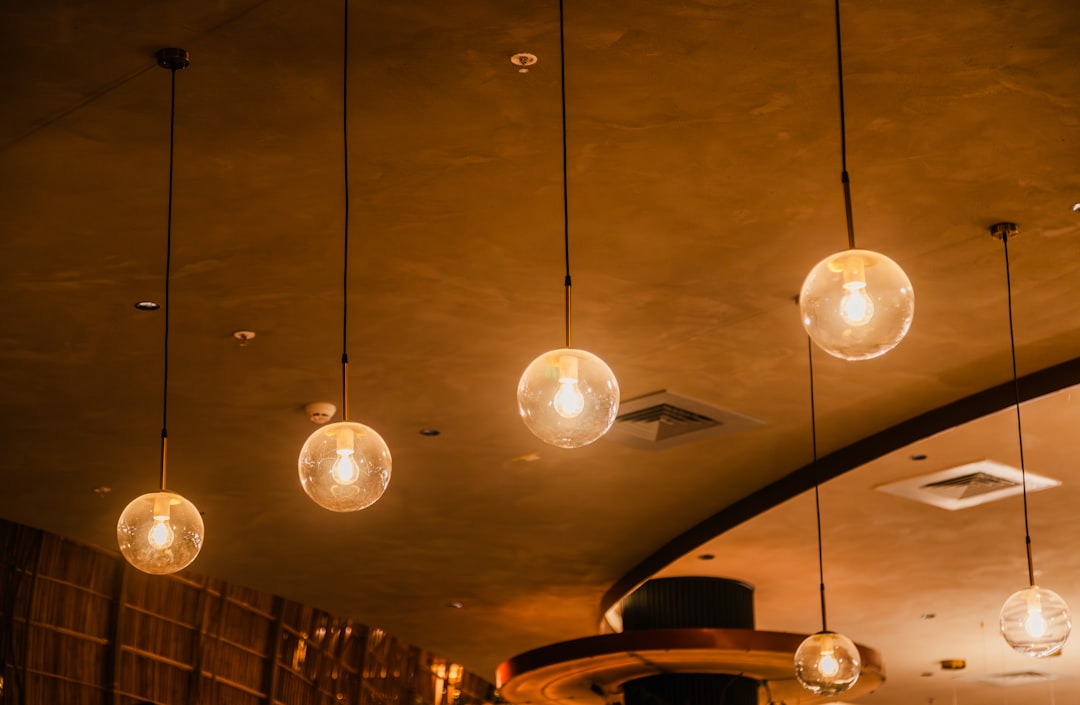
When it comes to updating your home’s lighting, you might be wondering what’s currently popular in English design. The short answer is: a delightful mix of everything! “Eclectic” is truly the watchword right now. Instead of sticking to one rigid style, people are embracing a more personal and curated approach, blending different eras, materials, and aesthetics to create spaces that feel unique and lived-in. This trend isn’t about throwing anything and everything together; it’s about thoughtful combinations that tell a story and reflect individual taste.
Embracing the Blend: A Curated Approach to Lighting
Forget the days of perfectly matching lighting fixtures in every room. Modern English homes are leaning into a more layered and interesting look. This means you might see a sleek, contemporary pendant light hanging above a traditional dining table, or a vintage-inspired wall sconce beside a minimalist sofa. The key here is not chaos, but rather intentional juxtaposition. It’s about finding pieces that, while different, somehow complement each other, adding depth and personality to a space.
This approach allows for a lot more freedom and creativity. You’re not limited to buying a whole set from one collection. Instead, you can pick up a beautiful antique lamp here, a modern track light there, and make them work together. It’s about building a collection over time, much like you would with art or furniture, rather than a one-off purchase. This makes your home feel more authentic and less like a showroom.
The Allure of Heritage and Reinvention
There’s a deep appreciation in English design for history and craftsmanship, and this is certainly evident in lighting choices. However, it’s not about replicating a period room exactly. Instead, it’s about taking classic designs and giving them a fresh spin or placing them in an unexpected context.
Classic Forms, Modern Materials
You’ll often spot lighting fixtures that draw inspiration from historical styles – think Victorian lanterns, Art Deco chandeliers, or Georgian wall sconces. But look closer, and you might find these familiar shapes rendered in contemporary materials.
- Matte Black Finishes: Cast iron or brass fixtures from bygone eras are getting a sleek update with matte black coatings. This instantly modernizes a traditional form, making it feel current and edgy without losing its inherent charm.
- Acrylic and Resin Details: Where once there might have been delicate glass or crystal, designers are now incorporating modern acrylics or resins. These materials can mimic the look of traditional elements but offer a lighter feel and often a more affordable price point. They also allow for interesting new textures and translucent effects.
- Unlacquered Brass: While not strictly new, the embrace of unlacquered brass is a strong trend. This material develops a beautiful patina over time, telling a story of its age and use. It harks back to historical pieces but is used in a way that feels organic and authentic in modern settings.
Repurposed and Upcycled Gems
Sustainability is a growing concern, and this translates into lighting choices too. There’s a real joy in finding an old industrial light fitting, for example, and giving it a new life in a residential setting.
- Industrial Chic: Old factory lights, bulkhead lights, and even laboratory equipment are being repurposed as unique and characterful fixtures. These often have a rugged, utilitarian aesthetic that contrasts beautifully with softer furnishings.
- Vintage Finds: Flea markets, antique shops, and salvage yards are treasure troves for unique lighting. A beautiful old glass shade, a sturdy ceramic base, or a quirky metal frame can be rewired and fitted with modern bulbs to create a one-of-a-kind piece. This not only adds character but also promotes a more sustainable approach to decorating.
The Art of Layered Illumination
Good lighting isn’t just about turning on a single overhead light. The trend is firmly focused on creating a multi-layered lighting scheme that offers flexibility, mood, and practicality. This is where eclectic choices truly shine, as different types of lights can be brought together to achieve this.
Ambient Lighting: The Foundation
This is your general, overall light source, providing a comfortable level of illumination for the whole room.
- Subtle Pendants: Instead of one large, central pendant, consider a cluster of smaller, perhaps mismatched, pendants. Or, if opting for a single statement piece, ensure it’s dimmable for versatility.
- Recessed Lighting: While not always the most exciting visually, well-placed recessed lights can provide excellent ambient light without being obtrusive. They work well in conjunction with more decorative fixtures.
- Cove Lighting: Hidden LED strips that wash light across a ceiling or wall can create a soft, even glow, adding a touch of modern luxury without being in your face.
Task Lighting: Practicality Meets Style
This focuses light directly where it’s needed for specific activities like reading, cooking, or working.
- Stylish Desk Lamps: No longer just functional, desk lamps are becoming statement pieces. Look for designs that incorporate interesting materials like marble, brass, or even coloured glass. Their design can be very different from your overhead lighting.
- Articulated Wall Sconces: These are fantastic for bedside reading or in a study. Their adjustable arms mean you can direct the light precisely, and they come in a vast array of styles, from industrial to minimalist.
- Under-Cabinet Lighting: Especially in kitchens, discreet LED strips provide essential illumination for food preparation, making the space both more functional and inviting.
Accent Lighting: Creating Drama and Interest
This is where you highlight architectural features, artwork, or decorative objects. It’s about adding atmosphere and visual intrigue.
- Picture Lights: A classic way to illuminate artwork, these are now available in more contemporary finishes and sleek designs.
- Up-lighters: Floor-standing or discreetly placed on furniture, up-lighters can create dramatic shadows and highlight wall textures or plants.
- Display Cabinet Lighting: Small, focused lights inside display cabinets draw attention to cherished collections, adding a touch of elegance.
Natural Textures and Organic Forms
There’s a noticeable shift towards bringing the outdoors in, and lighting is no exception. Fixtures that incorporate natural materials and mimic organic shapes are increasingly popular. This trend aligns perfectly with the desire for homes to feel calming and connected to nature.
Woven Wonders
Materials like rattan, bamboo, and wicker are no longer confined to outdoor furniture. They’re making a strong statement in indoor lighting.
- Rattan Pendants: Large, sculptural rattan pendants cast beautiful, dappled light, creating a relaxed, bohemian vibe. They work well in living rooms, dining areas, and even bedrooms.
- Woven Table Lamps: Smaller lamps with woven bases or shades add a touch of texture and warmth to side tables and consoles.
- Bamboo Sconces: Delicately crafted bamboo wall sconces can introduce an earthy, serene element to hallways or bathrooms. The natural variations in the material make each piece unique.
Ceramic and Stone Elegance
These materials bring a sense of groundedness and artisanal quality to lighting.
- Ceramic Bases: Table lamps with handcrafted ceramic bases, often with interesting glazes or organic forms, are highly sought after. They offer a tactile quality and a unique aesthetic.
- Alabaster and Marble Shades: For a touch of understated luxury, alabaster or thin marble shades allow light to filter through, creating a soft, warm glow. These are often used in more refined, elegant settings.
- Textured Concrete: While seemingly industrial, concrete can be surprisingly refined when used for lamp bases or even pendant shades. Its raw, matte finish offers a contemporary edge and pairs well with other natural materials.
Smart Lighting Integration: Seamless Control
While the aesthetic trends focus on eclecticism and natural elements, the functional side of lighting is firmly moving towards smart technology. This isn’t about futuristic gadgets taking over, but rather about making lighting more intuitive, efficient, and adaptable to daily life.
Beyond the Switch: App and Voice Control
The days of just flicking a switch are evolving. Smart bulbs and integrated systems allow for far greater control.
- Personalised Scenes: You can pre-set lighting scenes for different activities – a bright, energising light for mornings, a softer, warmer glow for evenings, or a focused light for reading. This level of customisation enhances mood and functionality.
- Dimming and Colour Temperature: Smart lighting allows for precise control over brightness and, crucially, colour temperature. You can shift from a cool, crisp daylight white to a warm, inviting amber, matching the time of day or your mood. This is particularly effective in creating that layered lighting effect we discussed earlier.
- Scheduling and Automation: Lights can be programmed to turn on and off at specific times, useful for security or simply for waking up gradually. Integration with smart home assistants means you can control your lights with voice commands, adding a layer of convenience.
Discreet Integration
The beauty of modern smart lighting is that it’s often invisible. The technology is embedded within stylish fixtures or smart bulbs that fit into existing lamps.
- Smart Bulbs in Vintage Fixtures: This is a perfect example of eclectic design meeting modern tech. You can have a beautiful antique lamp fitted with a smart bulb, giving you all the benefits of smart control without compromising on style.
- Minimalist Controls: Instead of chunky wall panels, smart lighting systems often use sleek, minimalist wall switches or rely entirely on app or voice control, maintaining a clean aesthetic.
In essence, English lighting trends are all about creating homes that feel authentic, comfortable, and personally curated. It’s a wonderfully freeing approach that encourages you to explore different styles, materials, and technologies to build a lighting scheme that genuinely reflects who you are and how you live.
