
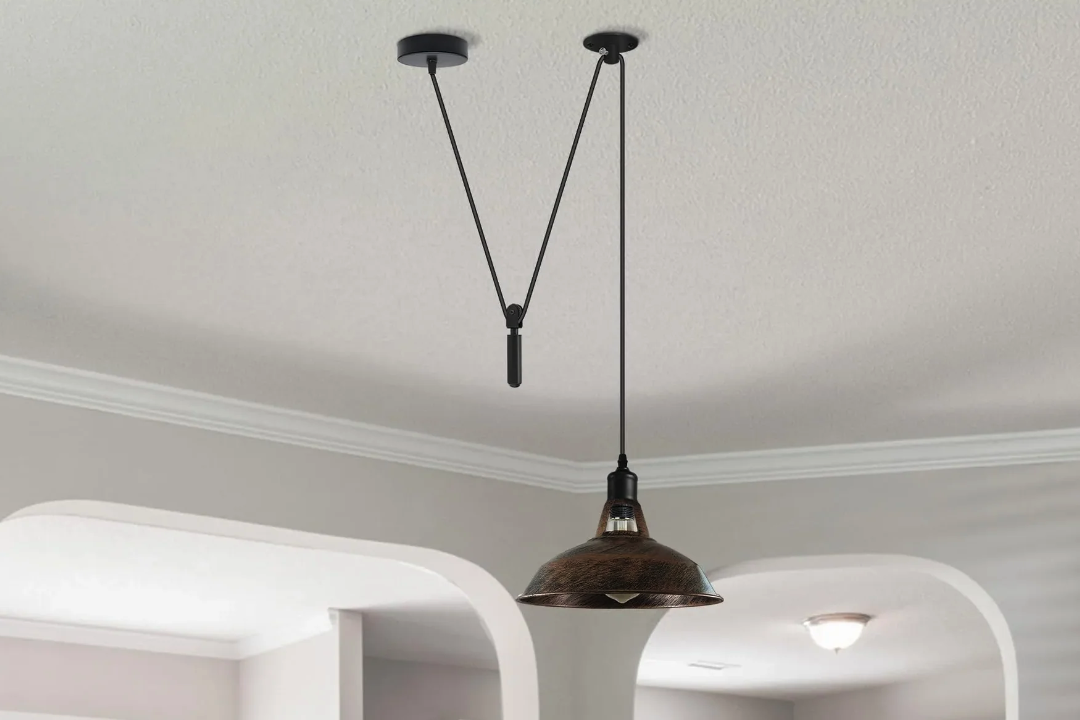
So, you’re thinking about adding an industrial pulley pendant light to your space? That’s a fantastic idea! These fixtures bring this certain je ne sais quoi – a blend of vintage workshop vibes and functional art that really elevates a room. They’re not just about pretty looks, though. These lights are often super versatile, adjustable, and create a warm, inviting glow. If you’re curious about whether one of these beauties is the right fit, let’s dive in and break down what makes them special and how you can make them work for you.
Think of it as a light fixture that takes inspiration from the utilitarian, mechanical designs you’d find in old factories, workshops, or even shipyards. The “pulley” part is key here. These lights Bilyhomes usually feature a decorative pulley system, sometimes functional, sometimes just for show, that allows you to adjust the height of the pendant. This mechanism is often complemented by materials like aged metal (think brushed steel, cast iron, or aged brass), often paired with exposed bulbs or glass shades that have a vintage feel. They’re the kind of lights that feel like they have a story to tell, adding character and a touch of curated authenticity to modern spaces.
The Aesthetic Appeal of Industrial Pulley Pendants
This is where these lights truly shine. They’re masters of blending the old with the new. The industrial aesthetic itself is all about raw materials, exposed machinery, and a no-nonsense approach to design. When you add the pulley element, it introduces a sense of movement and a slightly more playful, almost kinetic, quality.
Raw Materials and Finishes
The charm largely comes from the materials used. You’ll commonly see:
- Aged Metals: Brushed nickel, antique brass, oil-rubbed bronze, and matte black are popular. These finishes often have a slightly worn or patinated look, suggesting a history of use.
- Cast Iron: This provides a really robust and heavy feel, very authentic to early industrial designs.
- Galvanized Steel: For a more raw, utilitarian look, reminiscent of pipes and structural elements.
- Copper Accents: Often used for detailing or even entire shades, copper can add a warmer, richer tone to the industrial palette.
Exposed Elements and Vintage Touches
Beyond the metalwork, the design often incorporates:
- Exposed Light Bulbs: Edison bulbs, with their visible filaments, are a classic pairing. They contribute to the vintage glow and highlight the mechanical aspect of the fixture.
- Glass Shades: Think clear, seeded, or subtly tinted glass globes, bell jars, or dome shades. These can soften the industrial edge while still maintaining a sense of transparency and showcasing the bulb.
- Visible Wiring and Cords: Sometimes, the electrical cord is deliberately left visible, often wrapped in fabric for a more refined look, further emphasizing the mechanical design.
The “Pulley” Mechanism: Functional or Decorative?
This is a significant factor in their appeal.
- Functional Pulleys: Some lights actually have a working pulley system. This allows you to easily raise and lower the pendant, which is incredibly practical for tasks like adjusting light levels or clearing space. This adds an interactive and dynamic element.
- Decorative Pulleys: Many fixtures feature a pulley as a purely aesthetic element, a nod to the industrial inspiration. Even without full functionality, it anchors the industrial theme and adds visual interest.
Where Do They Fit? Versatility in Placement, Not Just Style
When people think “industrial,” they often picture a loft apartment or a trendy cafe. And yes, they excel in those environments. But the beauty of the industrial pulley pendant is its surprising ability to adapt to a wide range of spaces, bringing its unique character wherever it goes.
Kitchens: The Natural Habitat
This is arguably where the industrial pulley pendant feels most at home. Its origins are in functional spaces, and kitchens are all about function.
- Over Kitchen Islands: This is a go-to spot. The adjustable height is perfect for task lighting while cooking and can be raised to avoid obstruction during gatherings. The ruggedness of the materials can stand up to the busy-ness of a kitchen.
- Above Dining Areas in Open-Plan Kitchens: If your kitchen flows into a dining nook, a pulley pendant can bridge the gap, creating a distinct zone with its own character.
- Task Lighting: The focused light that many pendants offer is ideal for food prep.
Living and Dining Rooms: Adding Character
Don’t shy away from using these in your more formal or relaxation-focused spaces. They can add a much-needed dose of personality to prevent a room from feeling too sterile or generic.
- Above a Dining Table: Forget the crystal chandelier for a moment. A cluster of industrial pulley pendants or a single, statement-making one can create a dramatic focal point that’s both elegant and grounded.
- In a Cozy Reading Nook: A single, smaller pulley pendant hung at the perfect height over an armchair can provide intimate, targeted light for reading.
- As a Statement Piece: In a minimalist living room, one prominent industrial pulley pendant can provide the entire room with its visual anchor and personality.
Bedrooms: A Touch of Edgy Sophistication
For those who like their bedrooms to have a bit more edge, or if you’re just trying to break away from the typical bedside lamps, industrial pulley pendants are an excellent choice.
- Bedside Lighting: Replaces traditional lamps with a more architectural feel. The adjustable nature is a huge plus for reading in bed.
- Over Dressers or Vanities: In larger bedrooms, a series of smaller pendants can illuminate a dressing area.
Entryways and Hallways: Making a First Impression
These transitional spaces are often overlooked, but they’re the first thing guests see. An industrial pulley pendant can set a memorable tone right from the start.
- Foyer Statement: A larger, more dramatic pulley pendant can greet visitors with a strong sense of style.
- Hallway Accent: Even in a narrow hallway, a well-placed industrial pendant – perhaps a slimmer design – can add visual interest and prevent the space from feeling like just a pass-through.
Installation Considerations: More Than Just Hanging a Light
While many industrial pulley pendants look straightforward, there are a few practical things to keep in mind before you whip out the toolbox.
Electrical Know-How: Safety First
This is the most crucial aspect.
- DIY vs. Professional: If you’re not comfortable with basic electrical wiring (turning off the breaker, connecting wires, ensuring secure connections), it’s always best to hire a qualified electrician. Safety should never be compromised.
- Existing Fixture Replacement: If you’re replacing an existing pendant light, the wiring is likely already in place. The main task will be connecting the new fixture’s wires to the house wiring.
- New Installation: If you’re adding a light where there wasn’t one before, you’ll need to consider running new wiring and potentially adding a junction box, which is definitely an electrician’s job.
Weight and Mounting: A Solid Foundation
These lights can be heavier than your average decorative fixture due to their metal construction and pulley mechanisms.
- Ceiling Box Strength: Ensure your existing ceiling electrical box is rated to support the weight of the fixture. If it’s a lightweight plastic box, you’ll likely need to replace it with a heavier-duty metal one. An electrician can advise on this.
- Secure Mounting: The mounting hardware provided with the light needs to be firmly attached to a joist or a strong brace within the ceiling.
Pulley Functionality: Actual Movement Management
If your pulley system is functional, think about how you’ll actually use it.
- Clearance: Make sure there’s enough headroom when the light is at its lowest setting, especially in high-traffic areas.
- Ease of Adjustment: Some pulley systems are smoother than others. If you plan to adjust it frequently, test its mechanism if possible or read reviews.
Wiring Considerations: Cord Length and Type
- Adjustable Cord Length: Most pulley pendants allow for significant cord length adjustment. Measure your ceiling height and desired drop distance carefully.
- Fabric-Covered Cords: Many industrial-style cords are fabric-covered for aesthetic appeal. Ensure these are securely fastened and not frayed.
Choosing the Right Industrial Pulley Pendant: Beyond the Look
It’s easy to get swept up in the style, but a few practical factors can make a big difference in your satisfaction with the fixture.
Size and Scale: Not Too Big, Not Too Small
This is fundamental to good design.
- Room Dimensions: A massive pendant in a tiny room will overwhelm it. Conversely, a small pendant in a large space will look lost.
- Functionality: Consider what the light is primarily for. Task lighting might need to be closer and more focused, while a decorative piece can hang higher.
- Ceiling Height: This is critical. The pulley system is for adjustment, but you still need to consider the overall impact of the fixture’s size relative to your ceiling height.
Bulb Type and Brightness: The Unsung Heroes
The bulb is as much a part of the design as the shade.
- Edison Bulbs: For that signature vintage look. Opt for LED versions for energy efficiency and longevity. They come in various “warmths” (color temperatures), so pick one that complements your room’s overall feel.
- Dimmability: If you want to control the mood, ensure the fixture and the bulbs you choose are dimmable. This is a game-changer for creating ambiance.
- Brightness (Lumens): Think about how much light you need. A kitchen island will require more lumens than a bedside reading nook.
Material Quality and Durability: Built to Last
Industrial design often implies robustness, but it’s good to verify.
- Construction: Look for sturdy metal construction, well-finished components, and secure connections.
- Finish Longevity: How will the finish hold up over time? Some aged finishes can wear unevenly, which some people like, while others prefer a more consistent look.
- Reviews: Check customer reviews for comments on the quality and durability of the materials.
Your Specific Needs: What Do You Want It To Do?
- Adjustability Needs: Do you need to constantly adjust the height, or is it more of a design feature?
- Task vs. Ambient Lighting: Is this the primary light source for a task, or is it more for general mood lighting?
- Style Harmony: While they add character, how will it blend with your existing decor? Think about the colors, textures, and overall vibe of your room.
Maintaining That Rustic Charm: Keeping It Looking Good
These fixtures, with their aged finishes, are relatively low-maintenance, but a little care goes a long way in preserving their intended look.
Cleaning: Gentle and Mindful
- Dusting: Regular dusting with a soft, dry cloth is usually all that’s needed for most metal finishes.
- Stubborn Grime: For tougher spots on metal, a slightly damp cloth can be used. Avoid abrasive cleaners or harsh chemicals, as these can damage the aged finishes.
- Glass Shades: These can typically be cleaned with standard glass cleaner.
Avoiding Damage: Protect the Finish
- Be Mindful of Scratches: The aged finishes are part of the charm, but they can be scratched. Be careful when cleaning or moving things around the fixture.
- Water Exposure: While kitchens and dining areas are common, try to avoid prolonged direct water exposure on metal components, especially if they have intricate detailing that could trap moisture.
Bulb Replacement: Easy Does It
- Cool Down: Always ensure the bulbs are completely cool before attempting to replace them.
- Gentle Handling: Handle LED bulbs with care, as some can still be fragile.
By understanding these aspects, you can confidently choose an industrial pulley pendant light that not only looks fantastic but also functions beautifully in your home, adding that sought-after blend of vintage charm and practical style. They’re more than just lights; they’re statement pieces that can truly transform a space.
