
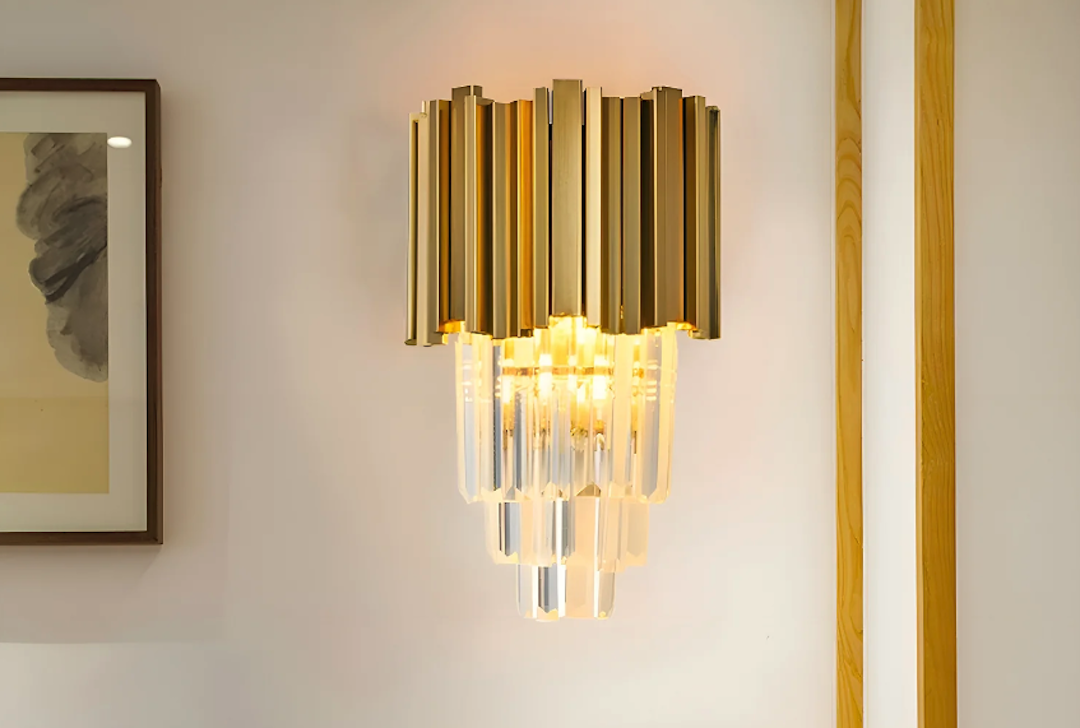
Crystal drop wall sconces can genuinely elevate a room’s aesthetic by blending light with a touch of classic elegance. They’re not just a light source; they’re a decorative element that can add visual interest and a subtle shimmer to your walls. Think of them as functional jewelry for your home, offering a sophisticated glow that enhances the overall atmosphere without being overbearing.
These fixtures typically feature a metal frame, often in finishes like chrome, polished nickel, or bronze, adorned with various crystal elements. The “crystal drops” are usually faceted glass, designed to catch and refract light Revopin, creating a sparkling effect. They come in a wide range of styles, from traditional designs with elaborate scrollwork to more contemporary, minimalist forms.
What are Crystal Drops?
Despite the name, most “crystal” drops in light fixtures are actually high-quality glass. manufacturers use terms like “K9 crystal” or “Murano crystal” to describe sophisticated glass compositions that offer excellent clarity and sparkle. True lead crystal is heavier and more expensive, still available but less common in everyday lighting fixtures due to cost and lead content regulations. The key is the faceting, which is what creates the dazzling light play.
Sconce vs. Chandelier: What’s the Difference?
While both can incorporate crystal, a sconce is a wall-mounted fixture, typically emitting light upward or downward, or both, close to the wall. Chandeliers, on the other hand, are ceiling-mounted and hang down into the room, often serving as a central focal point. Sconces are generally smaller and provide ambient or accent lighting, whereas chandeliers are usually designed for more substantial illumination.
Strategic Placement for Maximum Impact
Where you put your crystal drop wall sconce can dramatically change its effect. It’s not just about filling a blank space; it’s about thoughtful placement to enhance a room’s functionality and visual appeal.
Entryways and Hallways
These are prime locations for sconces. An entryway can feel more welcoming with a pair of sconces flanking a mirror or a console table. In a hallway, multiple sconces spaced evenly can create a sense of rhythm and guide the eye, eliminating dark spots and adding a touch of sophistication to what might otherwise be a utilitarian space. They break up long expanses of wall.
Living Rooms and Dining Rooms
In larger rooms, sconces can complement overhead lighting or stand alone as accent pieces. In a living room, flanking a fireplace, a large artwork, or a window can draw attention to these features. In a dining room, two sconces on a wall can add a soft, elegant glow that enhances the dining experience without being as bright or direct as an overhead fixture. They contribute to layering light, creating a more dynamic and inviting space.
Bedrooms
For a softer, more romantic feel, sconces can replace bedside lamps, freeing up nightstand space. Installing them on either side of the bed, perhaps with separate switches, offers practical reading light and a warm, ambient glow. They can also be placed on a feature wall to add a decorative element, complementing other bedroom decor.
Bathrooms
Crystal drop sconces can bring a touch of luxury to a bathroom. Placed on either side of a mirror, they provide balanced, flattering light for grooming. This placement also minimizes harsh shadows, which can be an issue with overhead-only lighting. They transform a utilitarian space into something more spa-like.
Choosing the Right Style and Finish
The overall design of your sconce, including its shape, size, and finish, should harmonize with your existing decor. A mismatch can make the sconce look out of place, no matter how beautiful it is on its own.
Contemporary vs. Traditional
Contemporary crystal sconces often feature clean lines and minimalist frames, sometimes with fewer, larger crystals. They might use geometric shapes and polished chrome or brushed nickel finishes. Traditional styles, conversely, often have more ornate metalwork, perhaps with curved arms and a greater number of smaller, intricately faceted crystals. Finishes like antique bronze, brass, or oil-rubbed bronze are common.
Matching Metallic Finishes
It’s generally a good practice to coordinate the metal finish of your sconces with other metallic elements in the room––think door handles, cabinet pulls, or light plate covers. While mixing metals can be done artfully, consistency often provides a more cohesive and polished look. If you have brushed nickel bathroom fixtures, for example, a brushed nickel sconce will tie in well.
Size and Scale Considerations
A common mistake is choosing a sconce that’s either too small or too large for the wall space it occupies. A tiny sconce on a vast wall will look lost, while an oversized one can overwhelm a small area. Measure your wall space and consider the scale of other nearby furnishings. As a general guideline, a sconce should usually be about 1/3 to 1/2 the width of the feature it’s flanking, such as a mirror or a piece of art. When used in a hallway, consider the ceiling height and width of the corridor to avoid making the space feel cramped.
Installation and Maintenance Tips
Installing electrical fixtures requires some basic knowledge and adherence to safety guidelines. If you’re not comfortable with electrical work, it’s always best to hire a qualified electrician.
DIY vs. Professional Installation
Basic sconce installation, replacing an existing fixture, can be a DIY project for those with some electrical experience. This involves turning off power at the breaker, disconnecting old wires, and connecting new ones according to instructions. However, if you need to run new wiring, cut into drywall, or are unsure about any steps, call an electrician. It’s safer and ensures compliance with local electrical codes. Incorrect wiring can be a fire hazard.
Cleaning Your Crystal Drops
Over time, dust and grime can accumulate on crystal drops, dulling their sparkle. Regular cleaning is important to maintain their brilliance.
- Dusting: Use a soft, lint-free cloth or a feather duster for light dusting.
- Deeper Clean: For a more thorough clean, you can use a spray solution specifically designed for crystal chandeliers, or a solution of mild dish soap and distilled water. Lightly spray the drops (avoiding electrical components) and then wipe them clean with a soft cloth. Some drops can be carefully removed and washed by hand in warm soapy water, then rinsed and dried thoroughly before being reattached. Always ensure the fixture is switched off and cool before cleaning.
Bulb Selection
The type of bulb you use will affect both the light quality and the appearance of the fixture.
- LED Bulbs: Recommended for their energy efficiency, longevity, and low heat emission. They come in various color temperatures, from warm white (2700K-3000K) to cool white (4000K+). For a cozy, inviting atmosphere, warm white is usually preferred.
- Dimmable Options: Many crystal sconces benefit from dimmable bulbs and switches. This allows you to adjust the light intensity to match the desired mood, from bright task lighting to a soft, ambient glow.
- Brightness (Lumens): Consider the overall lighting scheme of the room. Sconces often provide accent or ambient lighting, so you might not need extremely bright bulbs. Look for lumen counts rather than just watts when choosing.
The Overall Ambiance: More Than Just Light
Crystal drop wall sconces don’t just provide illumination; they contribute significantly to the overall feel of a room, adding depth, texture, and a sense of refinement.
Creating a Welcoming Atmosphere
The soft, diffused light produced by crystal often feels more inviting than direct overhead sources. The sparkling effect of the crystals can add a dynamic element to the light, making a room feel more alive and less sterile. This is particularly effective in areas where you want to encourage relaxation and conversation, like a living room or dining room.
Adding Visual Interest and Texture
Even when the lights are off, the polished surfaces and intricate faceting of the crystals provide visual interest. They catch natural light during the day, offering subtle glints and reflections that add texture to your walls. This makes them a decorative element in their own right, a piece of art that happens to also light up. The interplay of light and shadow created by the crystals can turn a plain wall into a feature.
Enhancing Other Decor Elements
Sconces can draw attention to artwork, architectural details, or unique furniture pieces. By strategically placing them to highlight these elements, you create focal points and a curated look. The sparkle of crystal can also complement other luxurious materials in a room, such as polished wood, velvet, or silk, contributing to an overall sophisticated aesthetic. They act as supporting players that elevate the main stars of your decor.
In summary, a crystal drop wall sconce is a practical choice for adding both light and elegance to almost any space. By considering placement, style, and proper care, you can ensure it serves its purpose beautifully and contributes positively to your home’s decor for a long time.
