
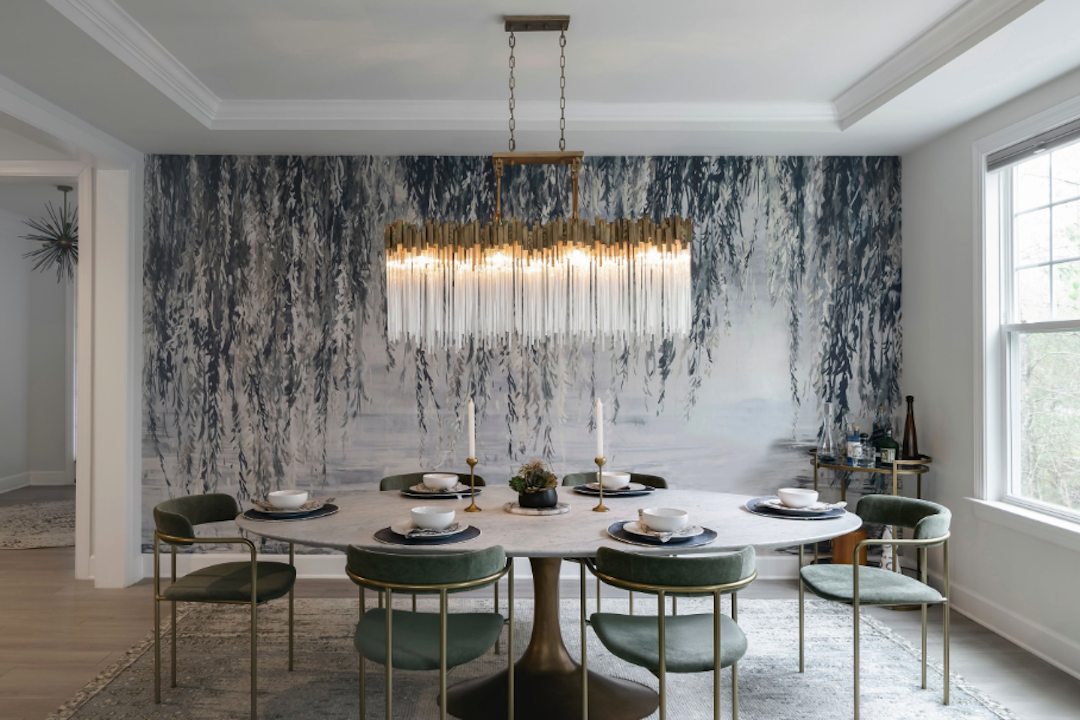
The dining room chandelier serves as a central luminaire and a prominent decorative element. Its selection requires consideration of various factors, including room size, ceiling height, and desired aesthetic. This article explores the characteristics and selection criteria for modern dining room chandeliers, providing guidance for informed choices.
Modern chandeliers Fohof diverge from traditional designs, often emphasizing clean lines, geometric forms, and minimalist aesthetics. Materials commonly employed include polished metals (e.g., steel, brass, aluminum), concrete, glass, and acrylic. The objective is to create a fixture that provides both illumination and a sculptural presence, contributing to the overall design scheme of the dining area.
Geometric Forms and Abstract Silhouettes
Contemporary chandelier design frequently incorporates geometric shapes such as spheres, cubes, and linear arrangements. Abstract configurations, which may not adhere to conventional symmetry, are also prevalent. These designs aim to create visual interest and a sense of dynamism within the space. For example, a chandelier composed of interconnected cubes can project varied light patterns, while a linear fixture with multiple light sources might evoke the urban landscape.
Materiality and Finish Choices
The tactile quality and visual appeal of materials are central to modern chandelier design.
- Metals: Brushed brass offers warmth and a subtle sheen, suitable for sophisticated interiors. Polished chrome or stainless steel provides a stark, reflective surface that enhances a contemporary, industrial, or minimalist aesthetic. Matte black finishes offer a graphic contrast and a sense of understated elegance.
- Glass: Clear glass globes disperse light broadly, while frosted or etched glass diffuses it more softly. Smoked glass adds a dramatic, moody effect.
- Acrylic: This material allows for lightweight, translucent designs, often used to create ethereal or sculptural forms.
- Concrete: While less common, concrete chandeliers offer a raw, industrial aesthetic, suitable for spaces emphasizing brutalist or industrial design.
Integrated Lighting Technologies
Modern chandeliers often utilize LED technology, offering energy efficiency and longevity. Integrated LED arrays allow for compact designs and precise control over light direction and intensity. Some fixtures incorporate tunable white technology, permitting adjustment of the color temperature from warm to cool, adapting to different moods or activities. Dimmable features are standard, enabling control over the ambiance of the dining space.
Sizing and Proportion: Ensuring Harmony in Your Dining Space
The correct sizing of a dining room chandelier is critical for both visual balance and practical illumination. An undersized fixture can appear lost, while an oversized one can overwhelm the space. Proportion is key to integrating the chandelier seamlessly with the room’s architecture and furnishings.
Chandelier Diameter and Dining Table Length
A common guideline for chandelier diameter is to choose a fixture that is roughly half to two-thirds the width of the dining table. This proportion ensures that the chandelier provides adequate light coverage for the entire table surface without appearing disproportionate. For example, a 72-inch long dining table might be paired with a chandelier between 24 and 36 inches in diameter.
Ceiling Height and Chandelier Drop
The distance from the ceiling to the bottom of the chandelier, known as the “drop,” must be carefully considered. A general rule dictates that the bottom of the chandelier should hang approximately 30 to 36 inches above the dining table surface. This height allows for comfortable conversation and unobstructed views across the table. For higher ceilings (over 9 feet), the chandelier can be hung slightly higher, typically an additional 3 inches for every foot of ceiling height above 8 feet. Conversely, for lower ceilings, a semi-flush or flush-mount fixture might be more appropriate to avoid a cluttered appearance.
Room Scale and Chandelier Visual Weight
Beyond mere dimensions, the visual weight of a chandelier plays a role in its perceived size. A chandelier with a dense design or dark finish will appear heavier than a more open, airy fixture of the same physical dimensions. Consider the overall scale of your dining room and its furnishings. A minimalist room might benefit from a visually light, open-cage design, while a large, expansive room could accommodate a more substantial, sculptural piece.
Lighting Functionality and Ambiance Creation
Beyond its decorative role, a dining room chandelier’s primary function is to provide illumination. The type of light it emits and the control mechanisms employed significantly influence the ambiance of the dining space.
Task Lighting vs. Ambient Illumination
A dining room chandelier typically serves as a primary source of ambient light, bathing the dining table and surrounding area in general illumination. However, some designs incorporate downlights or spotlights that can function as task lighting, directly illuminating the table surface for activities such as dining or reading. The balance between these two functions determines the chandelier’s versatility.
Dimming Capabilities and Color Temperature
Dimmable chandeliers are virtually standard in modern dining rooms. This feature allows for adjustment of light intensity, transitioning from bright illumination for daily use to softer, more intimate lighting for special occasions. The color temperature of the light also influences ambiance. Warm white light (2700-3000K) typically creates a cozy, inviting atmosphere, while cool white light (4000-5000K) offers a more crisp, contemporary feel. Some modern fixtures offer tunable white technology, allowing users to select the desired color temperature.
Layered Lighting and Supplementary Sources
A single chandelier, while central, may not provide comprehensive lighting for the entire dining room. Consider incorporating supplementary light sources to create a layered lighting scheme.
- Wall Sconces: These can provide accent lighting, highlighting artwork or creating a softer glow.
- Recessed Lighting: Strategically placed recessed lights can offer additional ambient light or illuminate specific architectural features.
- Floor Lamps: In larger dining rooms, a decorative floor lamp can contribute to overall illumination and add a sculptural element.
Integrating the Chandelier with Interior Design Styles
The selection of a modern dining room chandelier should complement and enhance the existing or desired interior design style of the space. The chandelier acts as a focal point, capable of reinforcing the design narrative.
Minimalist and Contemporary Spaces
For minimalist interiors, characterized by uncluttered spaces and a focus on essential forms, chandeliers with clean lines, simple geometric shapes, and a limited material palette are appropriate. Often, integrated LED lighting and a monochromatic finish (e.g., matte black, white, chrome) are preferred. The chandelier should contribute to the sense of calm and order without introducing excessive visual clutter.
Industrial and Loft Aesthetics
Industrial-style dining rooms often feature exposed materials like brick, concrete, and metal. Chandeliers in this aesthetic frequently incorporate raw, untreated metals, exposed bulbs (often Edison-style for a vintage touch), and robust, utilitarian designs. Metal cages, pipe-like structures, and dark, matte finishes are common. The chandelier should convey a sense of utilitarian beauty and functional honesty.
Mid-Century Modern Revivals
Mid-century modern design emphasizes organic forms, natural materials, and a playful yet sophisticated aesthetic. Chandeliers in this style often feature Sputnik-inspired designs, globe lights, and materials such as brass, wood, and colored glass. The design often incorporates a sense of movement and asymmetry, reflecting the optimistic spirit of the mid-20th century.
Scandinavian and Japandi Influences
These styles prioritize natural materials, light tones, and functional simplicity. Chandeliers for Scandinavian or Japandi dining rooms often feature natural wood, paper, or woven materials. Designs are typically understated, emphasizing craftsmanship and a connection to nature. The light emitted is often soft and diffused, contributing to a sense of hygge or wabi-sabi.
Installation and Maintenance Considerations
Proper installation and ongoing maintenance are crucial for the safety, longevity, and aesthetic appeal of your modern dining room chandelier. These practical aspects should be considered before purchase.
Professional Installation for Safety
Due to the weight, electrical complexity, and potential height involved, professional installation of a dining room chandelier is strongly recommended. A qualified electrician can ensure proper wiring, secure mounting to the ceiling joists, and adherence to electrical codes. Attempting to install a heavy fixture without proper experience can pose significant safety risks.
Cleaning and Care for Different Materials
The maintenance routine for your chandelier will depend on its materials.
- Metals: Dust regularly with a soft, dry cloth. For smudges or fingerprints, a microfiber cloth lightly dampened with water or a mild, non-abrasive cleaner designed for the specific metal can be used. Avoid harsh chemicals that can strip finishes.
- Glass: Dust and wipe with a glass cleaner. For intricate designs, a soft brush or compressed air can remove dust from crevices.
- Acrylic: Clean with a soft cloth and a non-abrasive cleaner specifically formulated for acrylic to prevent scratching.
- Wood: Dust with a soft cloth. For stubborn dirt, a slightly damp cloth followed by immediate drying is appropriate. Avoid excessive moisture.
Bulb Replacement and LED Longevity
For chandeliers utilizing traditional bulbs, ensure you have a supply of appropriate replacements. Always turn off the power to the fixture before changing bulbs. For LED chandeliers, while individual LED components have a very long lifespan, the entire fixture may need replacement if an integrated LED array fails, as individual diodes are typically not replaceable. Consider the fixture’s design for ease of access when parts do require attention.
Conclusion
The selection of a modern dining room chandelier is an investment in both functionality and aesthetic appeal. By carefully considering factors such as design principles, sizing, lighting functionality, stylistic integration, and practical considerations like installation and maintenance, you can choose a fixture that not only illuminates your dining space but also serves as a focal point, enhancing the overall character and ambiance of your home. Treat your chandelier as a suspended sculpture, a beacon within your dining area, carefully chosen to reflect your design sensibility.
