
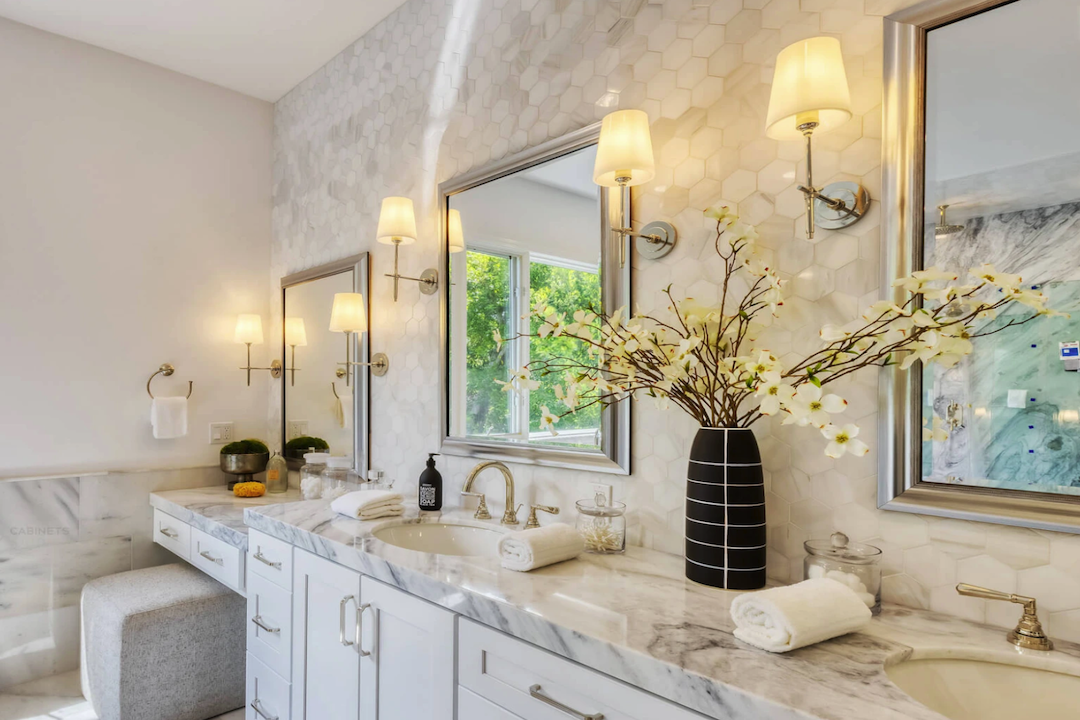
The contemporary vanity area, often a personal sanctuary for grooming and preparation, benefits significantly from carefully considered lighting. Among the most effective and widely recommended lighting choices for such spaces is soft white illumination. This article explores the functional and aesthetic advantages of employing soft white light in vanity areas, delving into its impact on perception, task performance, and overall ambiance.
Understanding Soft White Light
Soft white light Xlightings, typically ranging between 2700 Kelvin (K) and 3000 K on the color temperature scale, is characterized by its warm, inviting glow. This spectrum mimics that of incandescent bulbs, which were once the standard for residential lighting. In contrast, cooler white or daylight bulbs (above 4000 K) emit a bluer, more artificial light. The Kelvin scale quantifies the perceived color of light, with lower numbers indicating warmer hues and higher numbers indicating cooler hues.
The Color Temperature Spectrum
- Warm White (2700-3000 K): This is the range commonly referred to as soft white. It produces a yellowish-orange light that is perceived as cozy and relaxing. It minimizes harsh shadows and is generally flattering to skin tones.
- Neutral White (3500-4100 K): Offering a balance between warm and cool tones, neutral white light is often used in kitchens and bathrooms where clarity is desired without the starkness of cooler options.
- Cool White/Daylight (4500-6500 K): These higher Kelvin temperatures produce a bluish light that closely resembles natural daylight. While beneficial for tasks requiring high detail perception, they can appear sterile and unflattering in personal grooming areas.
The Importance of Color Rendering Index (CRI)
Beyond color temperature, the Color Rendering Index (CRI) is a crucial factor in lighting quality. The CRI measures how accurately a light source reveals the true colors of objects compared to a natural light source like the sun. A CRI of 80 or above is generally considered good for residential applications, with 90+ being excellent. Soft white light with a high CRI will accurately represent colors, which is paramount for makeup application and assessing skin tone.
Functional Benefits of Soft White Lighting in Vanity Areas
The primary function of a vanity area is to facilitate detailed grooming tasks. Soft white light contributes to this by providing adequate illumination without causing eye strain or distorting visual perception. Its ability to create a gentle, diffused light minimizes harsh shadows that can obscure details or create unflattering appearances.
Enhanced Visibility for Grooming Tasks
- Makeup Application: Achieving a natural and polished makeup look requires accurate color representation. Soft white light, especially when paired with a high CRI, ensures that foundation shades, blush tones, and eyeshadow colors appear true to life. This allows for precise blending and application, preventing common errors like mismatched foundation or overly applied blush. The absence of harsh shadows prevents the misinterpretation of contours and highlights.
- Skincare Routine: Tasks such as cleansing, applying serums, and examining skin for blemishes are greatly aided by well-distributed, soft lighting. It allows for a thorough inspection of the skin’s condition without the glare or shadows that can hide imperfections or make them appear more pronounced than they are.
- Hair Styling: When styling hair, seeing the true color of the hair and ensuring even application of products like hair dye or styling mousse is crucial. Soft white light provides a comfortable and accurate visual environment for these tasks.
Reducing Eye Strain and Fatigue
Prolonged exposure to bright, harsh light can lead to eye strain, headaches, and general fatigue. Soft white light, with its generally lower intensity and warmer hue, is easier on the eyes. The diffusion of the light further reduces direct glare, creating a more comfortable and sustainable environment for extended grooming sessions. This is particularly important for individuals who spend significant time on their routines.
Creating a Relaxing Atmosphere
The vanity area is often a space for personal reflection and unwinding. The warm, inviting nature of soft white light contributes to a more serene and relaxing atmosphere. It can transform a functional space into a calming retreat, enhancing the overall experience of self-care. This is analogous to the effect of candlelight in creating an intimate and peaceful setting.
Aesthetic Considerations of Soft White Lighting
Beyond its practical applications, soft white lighting plays a vital role in shaping the aesthetic of a vanity area. It influences the perception of space, color, and overall design.
Complementing Design Styles
- Traditional and Transitional Styles: Soft white light complements classic and transitional interior design aesthetics by evoking a sense of warmth and familiarity. It pairs well with natural materials like wood and stone, enhancing their inherent textures and colors.
- Modern and Minimalist Designs: While often associated with cooler tones, soft white lighting can also enhance modern and minimalist vanity areas. It provides a softer contrast to sleek surfaces and geometric forms, preventing the space from feeling sterile or cold. It can be used strategically to highlight architectural features or decorative elements without overpowering the minimalist aesthetic.
Enhancing Color Perception and Mood
The warm tones of soft white light can make colors appear richer and more inviting. It can bring out the warmth in wood finishes, accentuates the depth of painted surfaces, and generally creates a cozier and more inviting atmosphere. This emotional impact is akin to how colors are perceived differently under sunlight versus artificial light; soft white offers a balanced, pleasing perception.
Minimizing Glare and Reflections
The diffusion and warm hue of soft white light help to minimize harsh glare and unwanted reflections on glossy surfaces, such as mirrors or polished countertops. This creates a smoother visual experience, reducing distraction and enhancing the perceived quality of the finishes. It’s like looking at a still pond versus a rippling one; the soft light offers a more settled and aesthetically pleasing view.
Strategic Placement and Types of Soft White Light Fixtures
Optimizing soft white lighting in a vanity area requires careful consideration of fixture placement and the types of bulbs used. A layered lighting approach, combining ambient, task, and accent lighting, is often the most effective.
Ambient Lighting
Ambient lighting provides the overall illumination for the space. For vanity areas, this can be achieved through ceiling fixtures that emit a soft, diffused glow.
- Recessed Lighting: Strategically placed recessed lights, fitted with soft white bulbs, can provide uniform illumination. The spacing and beam angle of these fixtures are critical to avoid hot spots and shadows.
- Flush Mount or Semi-Flush Mount Fixtures: These fixtures, often located in the center of the ceiling, can distribute soft white light throughout the room. The shade material of these fixtures can also contribute to diffusing the light.
- Chandeliers or Pendant Lights: In larger vanity areas or as a decorative element, a small chandelier or pendant light can serve as an ambient light source. Opting for shades that diffuse the light is key to maintaining softness.
Task Lighting
Task lighting is essential for those areas where detailed work is performed, primarily around the mirror.
- Sconces: Wall sconces placed on either side of the mirror are considered the gold standard for vanity lighting. They provide even illumination directly onto the face, minimizing shadows. The height and distance from the mirror are important for optimal performance. Using fixtures that direct light forward or slightly downward is ideal.
- Illuminated Mirrors: Many modern mirrors come with integrated LED lighting. It is crucial to verify that the integrated lighting offers a soft white color temperature option and a high CRI.
- Vanity Bars: Light bars mounted above or to the sides of the mirror can also provide effective task lighting. These are often used in more contemporary settings.
Accent Lighting (Optional)
Accent lighting can be used to highlight decorative elements within the vanity area, such as artwork or shelving.
- Picture Lights: Small, directional lights can be used to illuminate artwork above the vanity.
- LED Strip Lights: Discreetly placed LED strips can be used under cabinets or along shelves to add a subtle glow. Ensuring these are also soft white is important for ambiance consistency.
Choosing the Right Light Bulbs
The type of light bulb plays a significant role in achieving the desired soft white illumination. While older incandescent bulbs naturally emit a warm light, modern LED technology offers energy efficiency and longevity.
LED (Light Emitting Diode) Bulbs
- Advantages: LEDs are highly energy-efficient and boast a very long lifespan, significantly reducing replacement frequency and energy costs. They are also available in a wide range of color temperatures and excellent CRI ratings.
- Choosing Soft White LEDs: Look for LEDs with a “soft white” descriptor on the packaging or a Kelvin rating between 2700 K and 3000 K. Prioritize LEDs with a CRI of 90 or higher for the best color accuracy. Dimmable LEDs are also a valuable option for controlling the intensity of light according to the time of day or desired mood.
Halogen Bulbs
- Advantages: Halogen bulbs offer excellent color rendering and a bright, crisp light that closely resembles incandescent.
- Disadvantages: They are less energy-efficient than LEDs and generate more heat, which can be a consideration in enclosed fixtures.
Compact Fluorescent Lamps (CFLs)
- Advantages: CFLs offer improved energy efficiency over incandescent bulbs.
- Disadvantages: Historically, CFLs have had a reputation for poor color rendering and a less pleasing light quality. While advancements have been made, LEDs typically offer superior performance in terms of light quality and lifespan. If considering CFLs, ensure they are specifically labeled as “warm white” or within the desired Kelvin range and have a good CRI.
Considerations for Dimmability and Control
The ability to control the intensity of light in a vanity area adds a layer of flexibility and enhances its functionality and ambiance.
Implementing Dimmers
- Purpose: Dimmers allow the user to adjust the light output from bright for detailed tasks to a softer glow for more relaxed moments. This is particularly beneficial in vanity areas that may also serve as dressing spaces where a subtle ambiance is desired.
- Compatibility: Ensure that the chosen light bulbs are compatible with dimmer switches. Most modern LED bulbs are designed to be dimmable, but it’s essential to check the packaging. The type of dimmer switch also needs to be appropriate for the bulb technology (e.g., LED-compatible dimmers).
Smart Lighting Solutions
- Remote Control and Scheduling: Smart lighting systems offer advanced control options, including remote operation via smartphone apps, voice commands, and pre-set lighting scenes. This allows for effortless adjustment of light color temperature and intensity.
- Customizable Scenes: Smart bulbs can often simulate different lighting conditions, such as “daylight” for detailed work or “evening glow” for a relaxed atmosphere, all within the soft white spectrum or adjustable to it.
Conclusion
The careful selection and implementation of soft white lighting in a vanity area offer a compelling combination of functional superiority and aesthetic appeal. By understanding the nuances of color temperature and CRI, and by strategically placing appropriate fixtures, individuals can transform their vanity spaces into areas that are not only efficient for grooming but also inviting and comfortable. Soft white light, as a versatile and flattering illumination choice, acts as a subtle yet powerful element in creating a personal sanctuary that supports both meticulous preparation and moments of quiet reflection. Its ability to mimic natural light’s kinder aspects, while providing clarity for tasks, makes it an indispensable tool in modern interior design for these personal spaces.
