
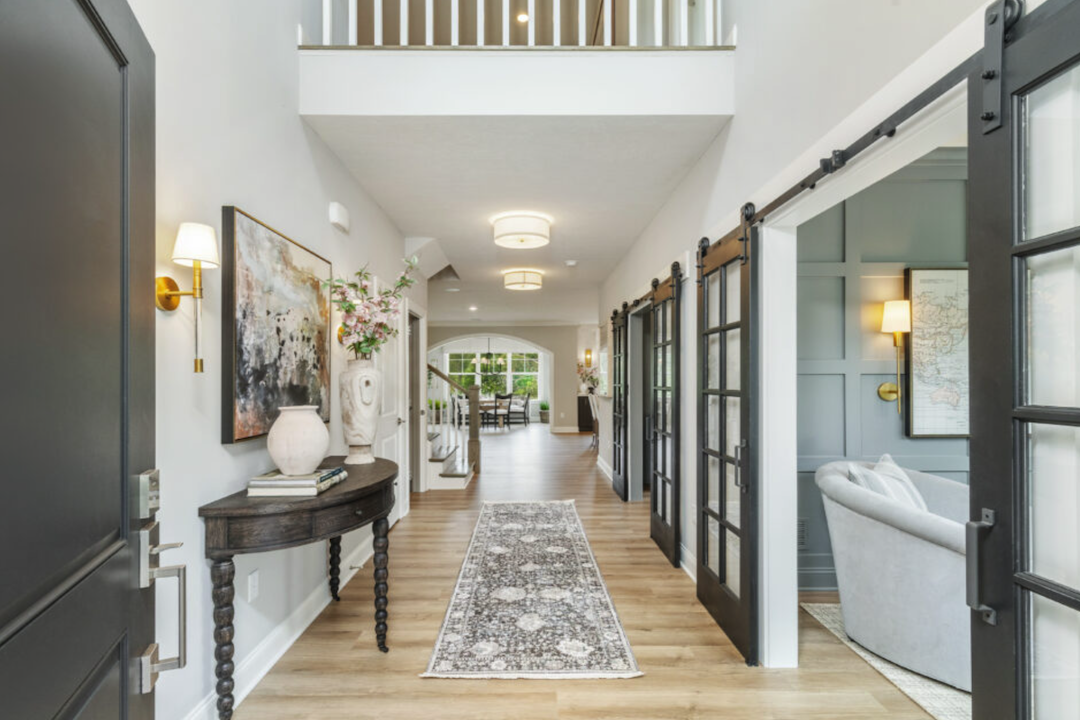
Sconce lighting, fixtures mounted directly to a wall, offers a practical and aesthetic solution for illuminating entryways. Unlike ceiling-mounted fixtures that project light downwards, sconces emit light outwards, creating a layered and inviting atmosphere. Their primary function in an entryway is to provide adequate illumination for ingress and egress, enhance the architectural features of the space, and contribute to the overall design scheme.
Historically, sconces were functional fixtures, often holding candles or oil lamps, illuminating narrow passages and grand halls. Modern sconces, however, integrate diverse designs and technologies, making them versatile tools for contemporary interiors. Their placement in an entryway is strategic; they can define pathways, highlight artwork, or soften the visual impact of a large wall.
The decision to incorporate sconce lighting Aralle in an entryway is often driven by both practical considerations, such as the absence of sufficient overhead lighting, and design aspirations, aiming to create a more sophisticated and layered lighting scheme. This method of illumination moves beyond mere visibility, transforming the entry into a curated space of transition.
Understanding Different Sconce Styles
Sconce styles vary significantly, encompassing traditional, transitional, and contemporary aesthetics. Each style offers unique visual characteristics and light distribution patterns.
Traditional Sconces
Traditional sconces often draw inspiration from historical designs, featuring intricate details, ornate finishes, and classic materials like brass, bronze, and wrought iron. They might incorporate elements such as faux candles, crystal accents, or frosted glass shades. These fixtures are well-suited for entryways that embrace classic architectural styles, such as Victorian, Colonial, or Georgian. Their design often emphasizes craftsmanship and a sense of enduring elegance. The light emitted from traditional sconces is typically warm and diffuse, contributing to a stately and inviting ambiance without being overly bright or stark.
Transitional Sconces
Transitional sconces bridge the gap between traditional and modern aesthetics. They blend classic elements with cleaner lines and updated finishes. This style offers flexibility, making it suitable for a wide range of entryways that aim for a sophisticated yet approachable look. Materials may include brushed nickel, polished chrome, or matte black, often paired with simple glass or fabric shades. Transitional sconces can incorporate subtle decorative elements without the elaborate ornamentation of purely traditional designs. Their versatility allows them to integrate seamlessly into diverse decorative schemes, acting as a visual liaison between different stylistic tendencies within a home.
Contemporary Sconces
Contemporary sconces are characterized by minimalist designs, geometric shapes, and a focus on functionality and innovative materials. They often feature sleek lines, unembellished surfaces, and materials like steel, aluminum, and acrylic. LED technology is commonly integrated into contemporary sconces, allowing for compact designs and energy efficiency. These fixtures are ideal for modern or minimalist entryways, where they contribute to a clean, uncluttered aesthetic. The light from contemporary sconces can be more focused or artfully diffused, often serving as a sculptural element in addition to a light source.
Industrial Sconces
Industrial sconces draw inspiration from utilitarian lighting found in factories and workshops. They often feature exposed metallic components, cage designs, and raw finishes like aged bronze or galvanized steel. Practicality and durability are hallmarks of this style. Industrial sconces contribute a rugged and authentic character, particularly in entryways that lean towards an urban, loft, or reclaimed aesthetic. Their light output can be direct and robust, aligning with their functional origins.
Rustic Sconces
Rustic sconces often incorporate natural elements and finishes that evoke a sense of warmth and ruggedness. Materials such as distressed wood, forged iron, and textured glass are common. Designs may feature nature-inspired motifs or a handcrafted appearance. These sconces are well-suited for entryways in farmhouse, cabin, or lodge-style homes, providing a cozy and grounded feel. The light emitted tends to be soft and ambient, complementing the natural textures in the space.
Strategic Placement for Optimal Illumination
The effectiveness of sconce lighting in an entryway is heavily dependent on its strategic placement. Proper placement ensures adequate illumination, enhances visual appeal, and avoids common pitfalls such as harsh glare or uneven lighting. Consider the dimensions of the entryway, the presence of other light sources, and the architectural features you wish to emphasize.
Sizing and Scale Considerations
The size of the sconce should be proportionate to the wall space it occupies and the overall scale of the entryway. An oversized sconce can overwhelm a small entryway, while an undersized fixture might appear insignificant in a spacious hall. A general guideline is to select sconces that are approximately one-third to one-quarter the height of the wall space they are intended to illuminate, particularly when placed in pairs. For single sconces, a slightly larger proportion may be acceptable, but always within the context of the surrounding architectural elements. The goal is visual harmony, where the sconce feels integrated rather than appended.
Vertical Placement and Height
The vertical placement of sconces is crucial for comfortable viewing and effective light distribution. As a general rule, sconces should be mounted at eye level, typically between 60 to 70 inches (152 to 178 cm) from the finished floor to the center of the fixture. This height minimizes glare by directing the light away from direct lines of sight and ensures that the light gently washes the wall rather than spotlighting the floor or ceiling excessively. In entryways with high ceilings, sconces can be mounted slightly higher to maintain visual balance, but still within a comfortable viewing range. When sconces are used to flank a mirror or artwork, their height should be aligned with the mid-point of the object they frame or slightly above, creating a balanced visual composition.
Spacing and Symmetry
When installing multiple sconces, particularly in a long entryway or hallway, consistent spacing is essential for a cohesive look. Sconces often work effectively when placed symmetrically, mimicking the balance of architectural features or framing a central element like a console table or mirror. For a single wall, consider placing two sconces equidistantly from the center. In a hallway, sconces can be spaced at regular intervals, typically every 6 to 8 feet (1.8 to 2.4 meters), to provide continuous illumination. Avoid overcrowding or placing sconces too far apart, as both can lead to an uneven and uninviting lighting scheme. The interplay of light and shadow created by strategically placed sconces can transform a flat wall into a textured canvas.
Addressing Architectural Features
Sconces can be powerful tools for accentuating architectural features. When placed beside an archway, they can highlight its curvature. Flanking a doorway with sconces can emphasize the grandeur of the entrance. For textured walls, such as exposed brick or paneling, sconces with an upward and/or downward light distribution can dramatically enhance the tactile qualities of the surface, creating captivating plays of light and shadow. Conversely, direct, focused sconces can draw attention to a specific architectural detail like a built-in niche or column.
Light Distribution and Ambiance Creation
The type of light distribution a sconce provides significantly impacts the ambiance of an entryway. Understanding how light interacts with the space is fundamental to achieving the desired mood and functionality.
Up-light and Down-light Sconces
Sconces that primarily direct light upwards (uplighters) create a sense of height and distribute ambient light indirectly by bouncing it off the ceiling. This creates a softer, more diffused light that can make an entryway feel more spacious and ethereal. Down-light sconces, conversely, project light downwards, often creating pools of light that can highlight a console table, flooring, or specific architectural details. This type of light can add a sense of drama and definition. Many modern sconces combine both up-light and down-light capabilities, often referred to as “up-down” sconces, offering a versatile solution that provides both ambient and task-oriented illumination. These dual-direction fixtures distribute light more broadly, contributing to a more comprehensive and balanced lighting scheme.
Diffused vs. Directed Light
The quality of light can be categorized as either diffused or directed. Diffused light, often achieved with opaque or frosted shades, spreads evenly and softly across a wider area, minimizing harsh shadows and glare. This type of light is ideal for creating a welcoming and comfortable ambiance in an entryway, as it reduces visual distractions and soothes the eye. Directed light, typically produced by clear glass shades or open-faced fixtures, casts more focused beams, creating distinct pools of light and shadow. While potentially more dramatic, excessive directed light in an entryway can lead to uneven illumination and create potential glare points if not carefully planned. Often, a combination of diffused ambient light from overhead fixtures alongside directed sconce lighting provides the most balanced and appealing result.
Dimmer Integration
Incorporating dimmer switches with sconce lighting is a highly recommended practice. Dimmers provide invaluable flexibility, allowing instantaneous adjustments to the light output to suit various needs and moods. In the evening, dimming the sconces can create a warm, intimate atmosphere, welcoming guests without overwhelming them. During the day, higher illumination might be desired for practical tasks. The ability to control light intensity transforms the entryway from a static space into one capable of dynamic transformation, adapting its personality with the flick of a switch. This functionality significantly enhances the overall utility and aesthetic appeal of the lighting design.
Color Temperature Considerations
The color temperature of the light source, measured in Kelvin (K), also plays a significant role in creating ambiance. Warm white light (2700K-3000K) replicates the glow of incandescent bulbs, imparting a cozy, inviting, and intimate feel. This spectrum is often preferred in entryways to create a homey and traditional atmosphere. Cool white light (3500K-4500K) is brighter and more neutral, often associated with a cleaner, more contemporary aesthetic. It can make colors appear more vibrant and is suitable for entryways seeking a crisp and modern look. Daylight (5000K-6500K) mimics natural daylight and is typically not recommended for residential entryways, as it can feel stark and impersonal. The selection of color temperature profoundly influences the perception of warmth and hospitality within the entryway.
Installation Considerations and Safety
Proper installation of sconce lighting is paramount for both aesthetic success and safety. It involves understanding electrical requirements, mounting techniques, and adhering to local building codes.
Electrical Requirements
Before selecting sconces, assess the existing electrical wiring in your entryway. Most sconces require a standard 120V AC circuit. If new wiring is needed, or if you are replacing existing fixtures with significantly different requirements (e.g., low-voltage LED systems), it is advisable to consult or hire a qualified electrician. Ensure that the electrical box is securely mounted within the wall and properly grounded. Overloading circuits can pose a fire hazard, so understanding the wattage limitations of your existing wiring is critical. Planning for switched outlets or dimmer controls during the initial wiring phase simplifies later modifications.
Mounting and Stability
Sconces must be securely mounted to the wall to prevent them from becoming loose or falling. Most sconces come with a mounting bracket that attaches to the electrical box. The fixture then attaches to this bracket. Ensure that the mounting screws are tightened adequately. For heavier sconces, or in cases where the electrical box may not be robust enough, additional anchoring directly into wall studs or using appropriate drywall anchors may be necessary. The stability of the fixture is not merely about security; a wobbling or crooked sconce detracts from the intended aesthetic.
Safety Precautions
Always turn off the power to the circuit at the main breaker before beginning any electrical work. Use a voltage tester to confirm that the power is off. Follow the manufacturer’s installation instructions meticulously. Wear appropriate safety gear, such as safety glasses. If you are uncertain about any step of the installation process, or if the wiring seems complex, cease work and contact a licensed electrician. Incorrect electrical installation can lead to short circuits, electrical fires, or electrocution.
Accessibility for Maintenance
Consider the ease of maintenance when placing sconces. Can light bulbs be replaced without difficulty? Is the fixture accessible for cleaning? Sconces mounted too high or in awkward positions can make routine maintenance challenging, potentially leading to burned-out bulbs remaining unreplaced or dust accumulating. These seemingly minor issues can diminish the overall effectiveness and appeal of your lighting scheme.
Harmonizing Sconces with Entryway Decor
Sconce lighting is not an isolated element; it must integrate seamlessly with the existing or planned decor of an entryway. This means considering the interplay of materials, finishes, and the overarching design theme.
Coordinating Finishes and Materials
When selecting sconces, pay attention to their finishes and materials. For example, if your entryway features brushed nickel hardware on doors or cabinetry, consider sconces with a brushed nickel finish to create a cohesive look. Similarly, an entryway with dark wood accents might benefit from sconces in bronze or black finishes. While perfect matching is not always necessary, a thoughtful coordination of metallic finishes, wood tones, and glass types contributes to a unified aesthetic. Mixed metals can be employed, but this requires a discerning eye to ensure they complement rather than clash. The materials of the sconce, whether it’s metal, glass, fabric, or crystal, should resonate with other textural elements present in the entryway.
Complementing Existing Furnishings
Sconces should act as visual partners to the furniture and accessories in your entryway. If you have a console table with clean, modern lines, choose sconces that echo that simplicity. For a more traditional entryway with antique furnishings, ornate sconces with classic detailing would be more appropriate. The style of the sconce should reinforce the overall design narrative established by the entryway’s furniture, artwork, and rugs. Avoid introducing a sconce that feels out of place, such as an industrial sconce in a distinctly formal entryway, as it would create visual dissonance.
The Role of Mirrors and Artwork
Sconces are exceptionally effective when used in conjunction with mirrors or artwork. Placing sconces on either side of a mirror amplifies light, creating a brighter, more expansive feel in the entryway. The light from the sconces reflects off the mirror, extending the illumination and adding depth. When flanking artwork, sconces can draw attention to the piece, turning it into a focal point. Down-light sconces can specifically highlight textured art, while up-light sconces can create a dramatic wash of light above framed pieces. The strategic placement of sconces around reflective or decorative elements enhances their impact significantly, transforming a simple wall into an engaging gallery.
Enhancing Architectural Details
Beyond illuminating and complementing, sconces can be used to emphasize architectural details. Built-in niches, decorative moldings, exposed beams, or textured wall coverings can all be brought to life by carefully chosen and positioned sconces. Up-down sconces can create a dramatic effect on a textured wall, highlighting its three-dimensional qualities. Small, discreet sconces within an archway can emphasize its curve, transforming a functional passage into a sculptural element. Sconces, in essence, act as a spotlight for the inherent beauty of your home’s structure.
