
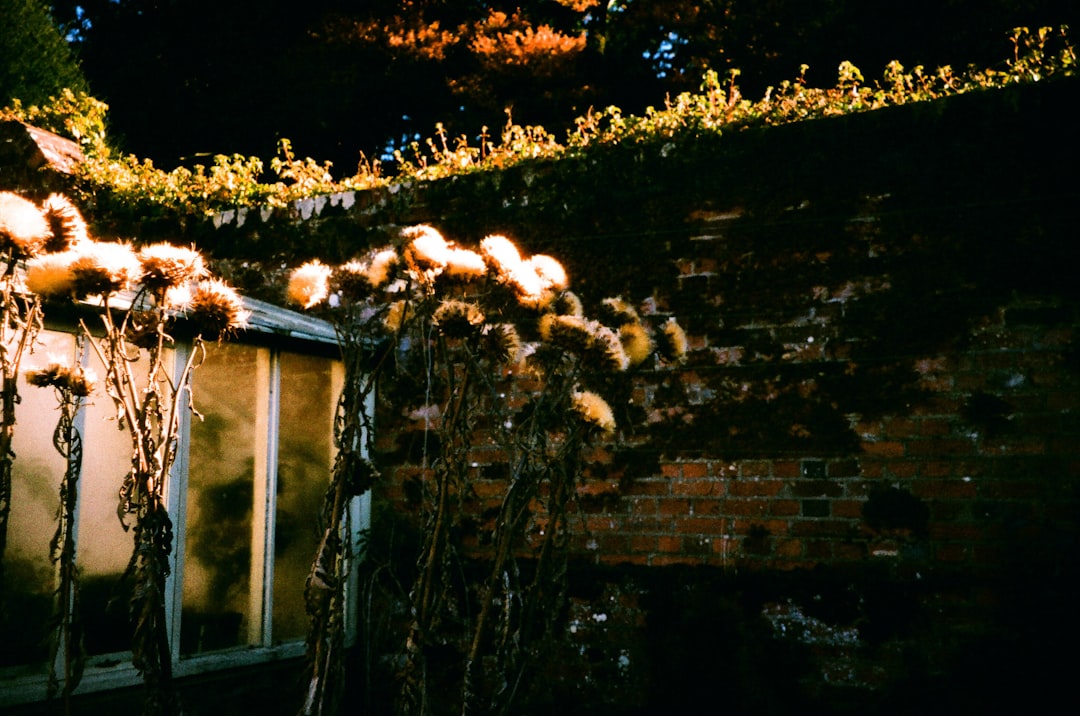
This article explores the integration of fireside wall lighting within rustic cottage aesthetics. It examines the historical context, functional benefits, and stylistic considerations of this lighting choice, aiming to provide a comprehensive understanding for those considering its implementation.
The concept of “fireside ambiance” transcends mere illumination; it evokes a primal sense of comfort and security. Historically, fire was the central element of domestic life, providing warmth, light, and a focal point for social interaction. Modern fireside wall lighting seeks to replicate this psychological resonance, imbuing spaces with a similar sense of warmth and intimacy, even in the absence of a literal hearth. This evokes a metaphor of the hearth as the heart of the home, with wall lighting serving as its extended pulse.
Historical Roots of Cozy Illumination
Early forms of indoor lighting, predating electricity, were inherently “fireside” in nature. Torches, oil lamps, and candles cast flickering shadows and warm glows, shaping the character of interior spaces. These light sources, often mounted on walls, created pockets of illumination, leaving much of the room in relative darkness. This selective lighting fostered a sense of enclosure and coziness, a characteristic that contemporary fireside wall lighting aims to emulate. The evolution from open flames to enclosed fixtures represents a technological progression, yet the emotional impact remains a core objective.
The Psychological Impact of Warm Light
Research in environmental psychology suggests that warm-spectrum lighting, characterized by lower color temperatures, can positively influence mood and perception of comfort. The oranges and reds inherent in firelight are replicated in various fireside wall lighting options, contributing to a sense of relaxation and well-being. This is not merely an aesthetic preference but a measurable physiological response. Consider the difference between the stark, cool light of a fluorescent fixture and the inviting glow of a filament bulb; the latter often elicits a sense of calm.
Defining Rustic Cottage Aesthetics
Rustic cottage aesthetics are characterized by a focus on natural materials, handcrafted elements, and a connection to the outdoors. This style often embraces imperfections and weathered textures, prioritizing authenticity over polished uniformity. Fireside wall lighting acts as a natural complement to these design principles, enhancing the inherent charm and character of such spaces. Think of it as a thread woven into the fabric of the cottage, strengthening its overall texture.
Key Elements of Rustic Design
Common features in rustic cottages include exposed timber beams, stone fireplaces, natural wood finishes, and textiles made from wool, linen, or cotton. Color palettes tend to be earthy and muted, reflecting the natural world. Furniture is often sturdy and substantial, sometimes featuring distressed finishes. The overall effect is one of unpretentious comfort and enduring quality. When selecting fireside wall lighting, consider how its materials and finish will integrate with these existing elements.
The Role of Lighting in Rustic Interiors
In rustic cottages, lighting is often employed to highlight architectural features, create focal points, and define functional zones. Rather than providing uniform, bright illumination, it emphasizes ambiance and mood. Wall-mounted fixtures are particularly effective in this regard, as they can cast targeted light, drawing attention to specific textures or objects, and creating a layered lighting scheme. This strategic placement of light reinforces the intimate nature of the cottage environment.
Functional Benefits of Fireside Wall Lighting
Beyond aesthetics, fireside wall lighting offers several practical advantages within the context of rustic cottages. Its strategic placement and inherent warmth contribute to both the functionality and overall comfort of a space.
Supplemental and Ambient Illumination
Fireside wall lights serve as an excellent source of supplemental illumination, filling gaps left by overhead fixtures or providing localized task lighting without overpowering the room. In a cottage setting, where powerful overhead lighting might feel incongruous, wall sconces can offer a gentler, more diffused glow that contributes to the overall ambient light level. This layering of light sources is crucial for creating depth and interest.
Creating Visual Warmth and Texture
The light emitted from fireside wall fixtures can accent and enhance the natural textures prevalent in rustic cottages. It can highlight the grain of wooden walls, the uneven surface of stone, or the weave of a tapestry. This play of light and shadow adds depth and visual interest, making the space feel more inviting and dynamic. Imagine the way sunlight obliquely strikes a textured wall, revealing its intricacies; fireside wall lighting can achieve a similar effect indoors.
Space Optimization and Intimacy
Wall-mounted fixtures free up valuable floor and table space, a significant advantage in smaller cottage rooms. Their upward or downward cast of light can also draw the eye along walls, making a room feel larger, or conversely, create intimate nooks and defined zones within an open-plan space. This strategic use of light can subtly manipulate the perception of spatial dimensions. Consider a reading nook illuminated by a single sconce, creating a defined personal sanctuary.
Choosing the Right Fireside Wall Lighting
The selection of fireside wall lighting requires careful consideration of several factors, including material, style, light source, and placement. Each decision contributes to the overall effect and functionality of the lighting scheme.
Materiality and Finish
For rustic cottages, materials such as wrought iron, distressed wood, aged brass, copper, and bronze are highly complementary. The finish should ideally reflect a sense of age and authenticity, avoiding overly polished or modern appearances. Matte black iron, for instance, can evoke traditional blacksmithing, while weathered wood ties directly into the natural environment. Consider how the material will age and patinate over time, contributing to the cottage’s evolving character.
Wrought Iron Fixtures
Wrought iron sconces, with their often intricate and hand-forged designs, align perfectly with rustic aesthetics. Their inherent strength and dark, earthy tone provide a strong visual anchor against lighter wall surfaces.
Distressed Wood and Metal Combinations
Combining distressed wood bases with metal shades or accents creates a harmonious blend of natural and industrial elements, a hallmark of many rustic styles. The juxtaposition of soft wood and hard metal adds visual interest.
Aged Brass and Copper Options
Brass and copper, especially when aged or patinated, offer a warmer metallic tone that can introduce a touch of subtle elegance without detracting from the rustic charm. These metals acquire a rich character over time.
Light Source and Color Temperature
LEDs are a highly efficient and versatile option for fireside wall lighting. Crucially, select LEDs with a warm color temperature, typically between 2200K and 3000K, to emulate the glow of a traditional fire. Dimmable options are also highly recommended to adjust the intensity of the light according to mood and time of day. The goal is to achieve an inviting glow, not harsh, bright illumination.
Filament Bulbs for Vintage Appeal
For a truly authentic “fireside” look, consider reproduction Edison-style filament bulbs. While less efficient than LEDs, their visible filaments and very warm color temperature offer an unparalleled vintage aesthetic, often available in LED versions that mimic the filament look.
Dimmable Capabilities for Mood Control
The ability to dim fireside wall lights is paramount for creating a versatile ambiance. Brighten them for functional tasks and dim them for a cozy, intimate atmosphere. This control allows for dynamic adjustment of the space’s character throughout the day and evening.
Placement and Spacing Considerations
Strategic placement of fireside wall lights is essential for achieving the desired effect. Consider the layout of the room, the function of different areas, and the presence of architectural features.
Highlighting Architectural Features
Position sconces to draw attention to exposed beams, stone walls, or a prominent fireplace mantle. This enhances the inherent beauty of the cottage’s construction.
Creating Task-Specific Lighting Zones
In a reading nook, a single sconce placed just above eye level can provide ample light without disturbing the rest of the room’s ambiance. Similarly, sconces flanking a mirror in a bathroom can provide soft, even illumination.
Symmetrical vs. Asymmetrical Arrangement
Symmetrical placement, such as sconces flanking a doorway or a firebox, can create a sense of balance and formality. Asymmetrical arrangements can introduce a more eclectic, relaxed feel, particularly in less structured spaces.
Integration Strategies for Cohesive Design
Successfully integrating fireside wall lighting into a rustic cottage requires a holistic approach, considering how the fixtures interact with other elements of the interior design.
Harmonizing with Existing Decor
The chosen fixtures should complement the existing furniture, textiles, and overall color scheme. Avoid introducing elements that clash with the established rustic theme. Think of the lighting as another layer, seamlessly blending with the others.
Blending with Wooden Elements
Select fixtures with wood accents that match or complement the predominant wood tones in the room. This creates a visual continuity that is reassuring and aesthetically pleasing.
Coordinating with Metal Finishes
If the cottage already features metal hardware (door handles, cabinet pulls), choose wall lights with a similar metal finish to maintain a cohesive look.
Layering Light for Depth and Interest
Fireside wall lighting rarely functions as the sole light source. It should be part of a layered lighting scheme that includes overhead fixtures (ambient), table lamps (task and accent), and floor lamps (ambient and task). This layering creates depth and allows for variable illumination levels. Imagine a symphony where each section plays its part, contributing to the overall harmony.
Ambient Lighting as a Base
Overhead lighting, often subtle in rustic cottages, provides a general level of illumination. Fireside wall lights then build upon this base, adding warmth and focal points.
Task Lighting for Functionality
Table and floor lamps provide focused light for specific activities, such as reading or crafting. Fireside wall lights can supplement these zones, softening the edges of their illumination.
Accent Lighting for Visual Appeal
Fireside wall lights often serve as accent lighting, highlighting artwork, textured walls, or decorative objects, thereby enhancing the visual narrative of the space.
Safety and Installation Considerations
Proper installation is paramount for both safety and aesthetics. Consult with a qualified electrician for hardwired fixtures. Ensure that fixtures are rated for the voltage and environment they will be installed in.
Professional Installation for Hardwired Fixtures
Unless experienced with electrical work, it is advisable to engage a professional electrician for the installation of hardwired wall sconces. This ensures compliance with safety codes and proper functionality.
Adherence to Building Codes
Always ensure that any electrical installation adheres to local building codes and regulations to prevent hazards and guarantee safety.
Considerations for Damp or Outdoor Locations
If installing fireside wall lighting in damp areas (e.g., bathrooms) or outdoors on a covered porch, select fixtures specifically rated for such environments to prevent corrosion and electrical issues.
Conclusion
Fireside wall lighting, when thoughtfully integrated, serves as more than just a source of illumination in rustic cottages. It acts as a cornerstone of ambiance, contributing significantly to the warmth, character, and functional efficacy of the space. From its historical antecedents to its contemporary applications, this lighting choice offers a tangible connection to comfort and tradition, turning a mere room into an inviting sanctuary. By carefully considering materials, light sources, and placement, one can harness the enduring appeal of firelight to transform a rustic cottage into a haven of coziness.
