
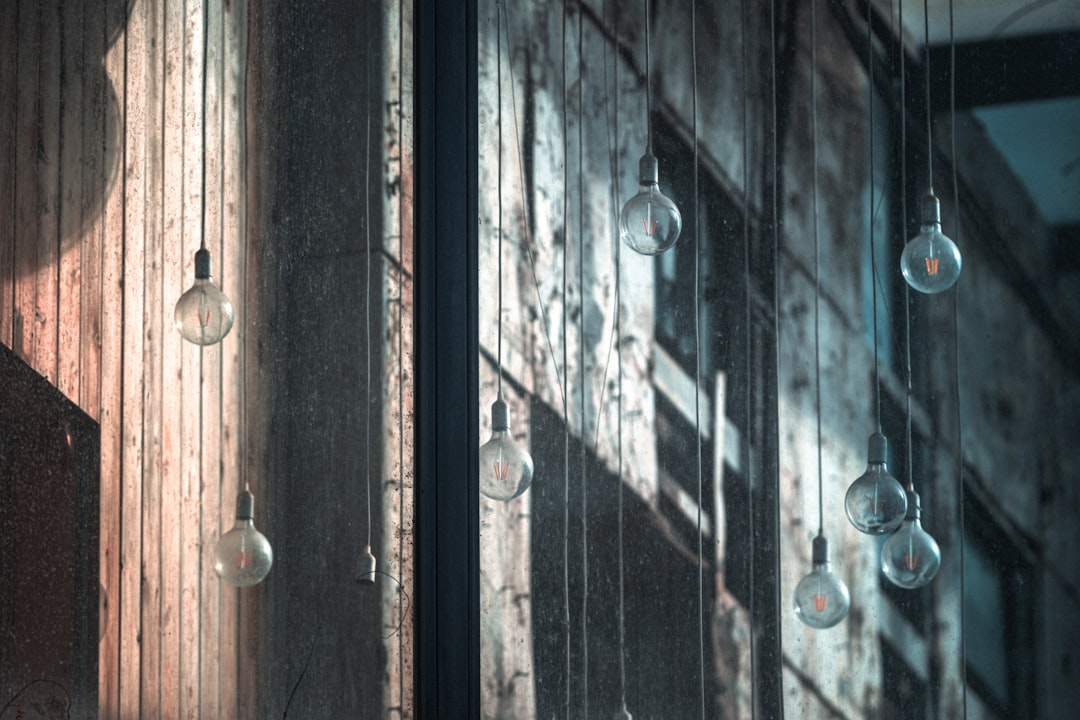
In a world saturated with LED advancements and smart home integrations, a particular luminary choice continues to hold its ground. The vintage filament bulb fixture, often characterized by its exposed incandescent bulb and often metallic or simple hardware, offers a distinct aesthetic that resonates with many. This fixture type draws on a history of illumination, harkening back to a time when light was a more tangible, elemental force. Its appeal lies not in technological prowess, but in its capacity to impart atmosphere and a sense of history to a given space. Unlike modern lighting solutions that prioritize efficiency and functionality above all else, vintage filament fixtures foreground visual texture and a warm, inviting glow. They are selections made for their character, for the story they tell, and for the ambiance they cultivate. This article will explore the various facets of incorporating these fixtures into contemporary interiors, examining their design elements, installation considerations, and how they contribute to a room’s overall feel.
Understanding the Vintage Filament Bulb
At the heart of these fixtures lies the filament bulb itself. While the term “vintage” often implies age, modern reproductions effectively capture the essence of these classic designs. The defining characteristic is the visible filament, a delicate wire that glows when electricity passes through it. These filaments, historically made of tungsten, are now often reproduced using alloys like nichrome or even carbonized bamboo for a specific visual effect. The light emitted is typically warmer, with a lower color temperature (measured in Kelvin) than many contemporary options, lending a soft, golden hue to surroundings. This warmth is a key differentiator, contributing to a sense of comfort and intimacy. The exposed nature of these bulbs also means that their shape and the intricate pattern of the filament are part of the fixture’s visual appeal, transforming the bulb into a decorative element in its own right. The range of bulb shapes is considerable, from the classic Edison bulb with its elongated, hand-wound filament to more elaborate designs like the globe, tubular, or even squirrel-cage formations. Each shape contributes a unique visual signature.
The Technology Behind the Glow
While the aesthetic is paramount, it’s worth understanding the basic principle. Incandescent bulbs work by heating a filament until it becomes incandescent, emitting light and heat. This is a remarkably inefficient process by modern standards, with a significant portion of energy converted to heat rather than light. However, this inefficiency is precisely what contributes to the characteristic warmth and soft diffusion of the light. Low wattage is also a common trait, further softening the light and making it more suitable for accentuating rather than harshly illuminating.
Filament Styles and Their Impact
The filament within the bulb is where much of the visual interest resides. Early Edison bulbs featured a single, simple filament. Modern reproductions have diversified this, offering multiple strands, coiled designs, or even intricate zig-zag patterns.
Hand-wound vs. Machine-made Filaments
Hand-wound filaments, though less common in mass-produced bulbs, offer a subtle imperfection that can add to the vintage charm. Machine-made filaments, while more consistent, still replicate the visual effect effectively. The subtle nuances in the wire’s texture and curvature can influence the pattern of light and shadow cast.
Carbonized vs. Tungsten Filaments
While tungsten was the historical standard, some reproduction filaments are made from carbonized materials, offering a slightly different hue and a more pronounced texture. This choice can subtly alter the overall color cast of the light.
Selecting the Right Fixture Type
The term “fixture” in this context refers to the housing and mounting of the bulb. Vintage filament bulb fixtures encompass a wide range, from minimalist constructions that do little more than suspend a bulb to more complex designs that incorporate decorative elements. The choice of fixture will significantly influence the overall aesthetic and the way the light is distributed within a space. Considerations include the material of the fixture, its style, and its intended placement.
Pendant Lights for Focused Illumination
Pendant lights are a popular choice for vintage filament bulbs. These fixtures hang from the ceiling, often with a cord or chain, and typically feature a single or a cluster of bulbs. They are effective for task lighting or for creating a focal point in a room.
Single Pendant Drops
A single pendant drop can be used to illuminate a specific area, such as a kitchen island, a reading nook, or a bedside table. Their simplicity makes them versatile.
Cluster Pendants
Clustering several pendant lights, perhaps at varying heights, can create a more dramatic visual statement and provide broader illumination. This approach is favored in dining areas or large living spaces.
Wall Sconces for Ambient Lighting
Wall sconces offer a more subtle form of lighting, directing light upwards, downwards, or both, contributing to ambient illumination and accentuating architectural features.
Upward-Facing Sconces
These cast light towards the ceiling, creating a diffused and indirect light that can make a room feel larger and more open.
Downward-Facing Sconces
These are useful for highlighting specific areas or creating a more intimate atmosphere. They are often used in hallways or above artwork.
Table and Floor Lamps for Versatile Placement
Table and floor lamps with vintage filament bulb fixtures provide flexibility in terms of placement and are easily integrated into existing décor.
Industrial-Style Desk Lamps
These often feature adjustable arms and metal shades, lending a utilitarian yet stylish touch to workspaces or living areas.
Arc Floor Lamps
An arc floor lamp with a vintage bulb can provide overhead lighting without the need for ceiling fixtures, ideal for living rooms or reading areas.
Design Considerations and Material Choices
The design of the fixture itself, beyond the bulb, plays a crucial role in its integration into a space. Materials, finishes, and the overall form factor all contribute to the fixture’s character and its ability to complement existing décor.
Metal Finishes: From Aged Brass to Matte Black
The metallic components of vintage fixtures commonly come in a range of finishes that evoke a sense of age and craftsmanship.
Antiqued Brass and Bronze
These finishes often feature subtle variations in color and texture, suggesting years of use without appearing overly distressed. They add warmth and a touch of classic elegance.
Matte Black and Dark Iron
These finishes offer a more contemporary feel while still retaining the vintage aesthetic. They can provide a grounding element in a room and complement a variety of color palettes.
Exposed Cords and Hardware: A Minimalist Approach
Some fixtures embrace a minimalist aesthetic, featuring exposed wiring and simple mounting hardware. This approach prioritizes the bulb as the primary decorative element.
Fabric-Covered Cords
These can add a subtle textural detail and a touch of color or pattern to the fixture. They are a step up from basic plastic or rubber cords.
Simple Metal Holders
Basic metal sockets and canopy plates, often in a brushed nickel or antique brass finish, keep the focus on the bulb and its filament.
Installation and Practicalities
While the aesthetic of vintage filament bulb fixtures is undeniable, practical considerations are essential for proper integration and longevity. This includes understanding wattage limitations, compatibility with dimmer switches, and the thermal output of these bulbs.
Wattage and Light Output: Balancing Ambiance and Functionality
As traditional incandescent bulbs, vintage filament bulbs are generally less energy-efficient than their LED counterparts. Their wattage typically ranges from 25W to 60W, offering a softer, more diffused light than high-output modern options.
Understanding Lumens
While wattages are common, luminous output is measured in lumens. Vintage bulbs generally have lower lumen outputs, which is part of their appeal for creating atmospheric lighting rather than bright, task-oriented illumination.
Thermal Output Considerations
Incandescent bulbs generate heat. While the heat output from a single low-wattage bulb is usually negligible, clustering multiple bulbs in a confined fixture or in a poorly ventilated area can lead to increased temperatures.
Dimmer Switch Compatibility: Creating Dynamic Lightscapes
The ability to control light intensity is crucial for creating different moods and atmospheres. Vintage filament bulbs are generally well-suited for use with dimmer switches.
Halogen vs. Incandescent Dimmers
It’s important to ensure that the dimmer switch is compatible with incandescent bulbs. Some newer LED-specific dimmers may not work correctly.
Gradual Dimming and Flicker
Properly paired dimmers allow for smooth transitions in light levels. Some older or incompatible dimmers can cause a slight flicker, which can be distracting.
Placement and Proximity: Avoiding Overheating
The placement of fixtures, particularly those with multiple bulbs or in enclosed spaces, warrants attention to ensure adequate airflow and prevent excessive heat buildup.
Ceiling Fixtures with Enclosed Shades
If using enclosed shades, ensure there is sufficient ventilation. Some designs might be better suited for open-air fixtures.
Wall-Mounted and Table Lamps
These generally offer more inherent airflow, but it’s still wise to avoid placing them too close to flammable materials or sensitive electronics.
Integrating Vintage Fixtures into Your Decor
The true measure of any design choice lies in its ability to enhance a space. Vintage filament bulb fixtures offer a unique opportunity to inject character, warmth, and a touch of history into various interior styles. Their versatility allows them to bridge the gap between traditional and contemporary aesthetics.
Modern Farmhouse and Industrial Chic
These popular styles often embrace exposed materials and a sense of functional history, making vintage filament fixtures a natural fit. The raw materials of industrial design—metal, wood, and concrete—pair exceptionally well with the warm glow of these bulbs.
Pairing with Reclaimed Wood
The tactile nature of reclaimed wood furniture and architectural elements resonates with the materiality of vintage fixtures.
Open Plan Living Areas
In open-plan layouts, clusters of pendant lights can help define zones, such as a dining area or a kitchen island, while maintaining a sense of spaciousness.
Transitional and Eclectic Interiors
Vintage filament fixtures are not confined to purely vintage or industrial settings. They can also add a unique layer of visual interest to more transitional or eclectic spaces.
Juxtaposing with Modern Furniture
The contrast between a sleek, modern sofa and a vintage filament pendant light can create a compelling visual dynamic.
Adding a Touch of Warmth to Minimalist Spaces
Even in a minimalist environment, a strategically placed vintage fixture can introduce a much-needed element of warmth and character without overwhelming the clean lines.
Small Spaces and Accent Lighting
In smaller rooms or apartments, vintage fixtures can be employed to create a desired atmosphere without occupying excessive visual or physical space.
Bedside Illumination
A simple pendant drop or a wall sconce with a vintage bulb can replace bulky table lamps, freeing up surface area.
Hallway and Entryway Ambiance
These fixtures can set a welcoming tone in hallways and entryways, offering a softer alternative to bright overhead lighting.
The Enduring Narrative of Light
In conclusion, the vintage filament bulb fixture transcends mere illumination. It is a choice that speaks to a preference for character over mere functionality, for atmosphere over efficiency. These fixtures offer a tangible link to the history of light, their warm glow a comforting counterpoint to the often stark brilliance of modern technology. By understanding the nuances of bulb design, fixture types, material choices, and practical considerations, one can effectively integrate these enduring luminaries into a variety of spaces, creating environments that are both visually engaging and inviting. The narrative of light, in this instance, is one of texture, warmth, and a quiet, consistent appeal that continues to illuminate our homes and lives.
