
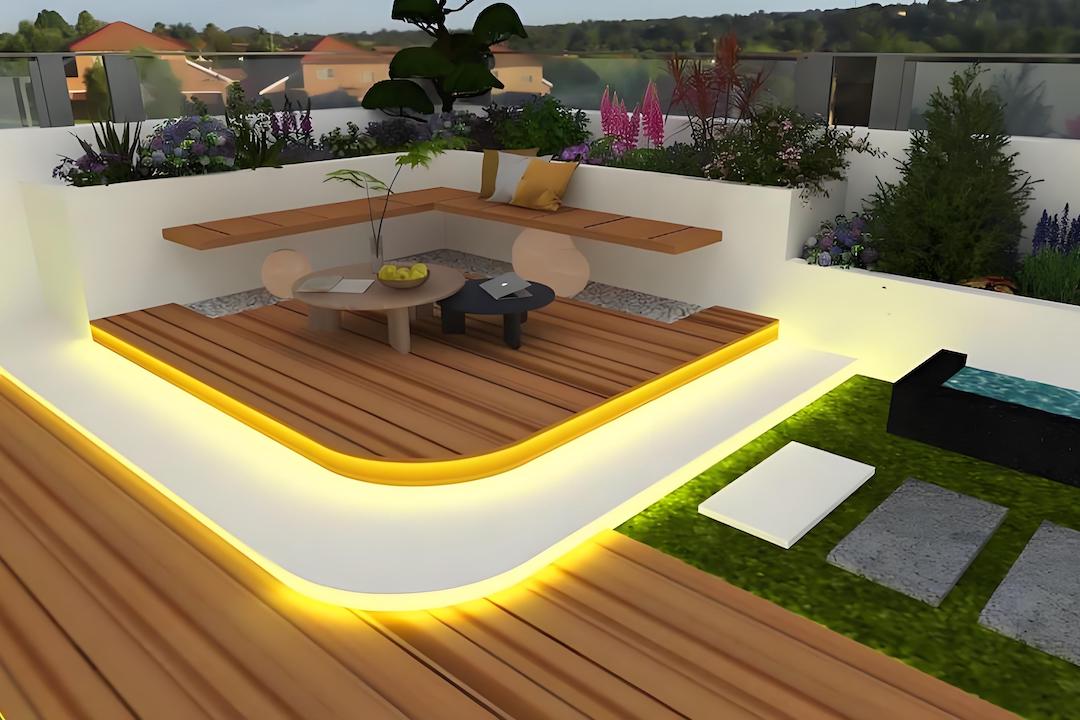
This article provides an overview of waterproof LED flood lights for backyard illumination. It covers their functionality, benefits, selection criteria, installation, and maintenance.
Waterproof LED flood lights Akapearls are outdoor lighting fixtures designed to illuminate large areas of a backyard. They employ Light Emitting Diodes (LEDs) as their light source, encased in a housing that protects them from environmental factors, particularly water. This protection is crucial for outdoor applications where exposure to rain, sprinklers, and condensation is common. The “flood” designation refers to their beam pattern, which is wide and disperses light over a broad area, as opposed to a focused spotlight. This characteristic makes them suitable for general illumination, security, and highlighting specific landscape features.
The Technology Behind LED Flood Lights
LEDs are semiconductor devices that emit light when an electric current passes through them. Unlike incandescent bulbs that produce light by heating a filament, LEDs are more energy-efficient and have a significantly longer lifespan. Their solid-state nature also makes them inherently more durable and resistant to vibration.
Energy Efficiency and Lifespan
A primary advantage of LED technology is its remarkable energy efficiency. Compared to traditional lighting solutions such as halogen or metal halide flood lights, LEDs consume considerably less electricity to produce an equivalent amount of light. This translates into reduced energy bills for homeowners. Furthermore, the operational lifespan of LEDs is measured in tens of thousands of hours, far exceeding that of older lighting technologies. This longevity means fewer replacements are needed, reducing both recurring costs and the environmental impact associated with manufacturing and disposal.
Color Temperature and Brightness
LED flood lights are available in a range of color temperatures, measured in Kelvin (K). Lower Kelvin values (e.g., 2700K-3000K) produce warmer, yellowish light, often preferred for creating a cozy ambiance. Higher Kelvin values (e.g., 4000K-6500K) produce cooler, whiter light, which can be more effective for security lighting and tasks requiring high visibility. Brightness is typically measured in lumens. A higher lumen output indicates a brighter light. The required lumen output will vary depending on the size of the area to be illuminated and the desired level of brightness.
The Importance of Waterproofing
The “waterproof” designation on these lights is not a mere marketing term; it is a critical functional specification. Outdoor environments present a multitude of challenges to electrical components, with moisture being a significant threat. Without adequate protection, water ingress can lead to corrosion, short circuits, and ultimately, premature failure of the light fixture.
IP Ratings Explained
The International Protection (IP) marking system is used to classify the degree of protection provided by electrical enclosures against ingress of solid objects and liquids. For outdoor lighting, common IP ratings include IP65, IP66, and IP67.
IP65
An IP65 rating signifies that the fixture is protected against dust ingress (meaning it is completely dust-tight) and is protected against water jets from any direction. This level of protection is generally sufficient for most backyard applications where the lights are not submerged.
IP66
IP66 offers a higher level of protection against water. It is dust-tight and protected against powerful water jets. This rating is suitable for areas that might experience strong spray from garden hoses or very heavy rainfall.
IP67
An IP67 rating indicates that the fixture is protected against temporary immersion in water. It is dust-tight and can withstand immersion in water up to 1 meter for 30 minutes. This rating is ideal for areas that might be prone to occasional flooding or where sprinklers might directly hit the fixture with significant force.
Materials and Construction
The construction of a waterproof LED flood light plays a vital role in its durability and resistance to the elements. Premium fixtures are typically constructed from robust materials such as die-cast aluminum for the housing, which offers excellent heat dissipation and corrosion resistance. Lenses are usually made from tempered glass or high-impact polycarbonate to withstand physical damage and UV exposure. Gaskets and seals made from high-quality silicones are essential for preventing water and dust from entering the fixture. The screws and mounting hardware should also be made from corrosion-resistant materials like stainless steel.
Applications of Waterproof LED Flood Lights in Backyards
The versatility of waterproof LED flood lights allows for a range of applications within a backyard, enhancing both its aesthetic appeal and its functionality. These fixtures can transform an underutilized outdoor space into an inviting and secure extension of the home.
Security Lighting
One of the primary benefits of flood lights is their ability to deter potential intruders. By illuminating dark areas around a property, such as entrances, pathways, and the perimeter, these lights create a sense of increased security.
Deterring Intruders
Dark corners and shadowy areas can provide cover for those with ill intentions. Flood lights, by casting broad swathes of light, eliminate these hiding spots, making it less appealing for criminals to trespass. The sudden illumination triggered by motion sensors can further startle and deter potential threats.
Illuminating Entry Points
Doors and windows are common points of entry. Strategically placed flood lights near these areas ensure they are well-lit, making it more difficult for someone to approach or gain access unnoticed. This provides homeowners with peace of mind, especially when away from home.
Landscape and Architectural Illumination
Beyond security, flood lights are instrumental in accentuating the beauty of a backyard. They can highlight specific landscape features, creating visual interest and depth.
Highlighting Trees and Shrubs
Mature trees can become majestic focal points when illuminated from below or at their base. Uplighting a tree can create dramatic shadows and showcase its form. Similarly, flood lights can be used to draw attention to carefully curated shrubs or ornamental plants, revealing their textures and colors after sunset.
Accentuating Architectural Features
The exterior of a house, a garden shed, a decorative fence, or a retaining wall can all benefit from targeted flood lighting. This can emphasize architectural details, add a sophisticated touch, and make the property more visually appealing from both inside and outside.
Pathway and Area Lighting
For practical purposes, flood lights can ensure safe passage through various parts of the backyard, particularly pathways, patios, and decks.
Navigating Safely at Night
Unlit pathways can be hazardous, leading to trips and falls. Flood lights can provide general illumination to these areas, making them safe for walking, even in complete darkness. This is especially important for households with children or elderly residents.
Illuminating Outdoor Living Spaces
Patios, decks, and outdoor kitchens are designed for recreation and relaxation. Flood lights can extend the usability of these spaces into the evening hours, creating a welcoming atmosphere for entertaining guests or simply enjoying the outdoors after dark.
Selecting the Right Waterproof LED Flood Light
Choosing the appropriate waterproof LED flood light involves considering several factors to ensure it meets the specific needs of your backyard and provides optimal illumination. A thoughtful selection process will prevent under or over-lighting and ensure the fixture performs reliably over time.
Beam Angle and Illumination Pattern
The beam angle determines how wide or narrow the light dispersion is. Flood lights typically have wider beam angles compared to spotlights.
Wide Beam Angles for Broad Coverage
A wider beam angle (e.g., 120 degrees or more) is ideal for illuminating large areas like entire lawns, driveways, or the perimeter of a property. This broad coverage ensures that there are no significant dark spots.
Narrower Beam Angles for Focused Illumination
While primarily called “flood” lights, some models offer adjustable or slightly narrower beam angles. These can be useful for focusing light on a specific feature like a garden statue or a particular section of a wall without spilling light unnecessarily into adjacent areas.
Power Consumption and Lumens
The power consumption of an LED flood light is measured in watts (W), and its brightness is measured in lumens (lm). It is important to understand the relationship between these two metrics.
Matching Lumens to Area Size
A general guideline is to consider the size of the area to be illuminated. Larger areas will require higher lumen outputs. For instance, a small walkway might need 200-400 lumens, while a large lawn or security perimeter might benefit from 1,000-5,000 lumens or more, depending on the desired intensity.
Energy Efficiency Considerations
As mentioned, LEDs are highly energy-efficient. When comparing fixtures, look at the lumen output per watt (lm/W) to understand how efficiently the light is produced. A higher lm/W rating indicates a more energy-efficient fixture.
Color Rendering Index (CRI)
The Color Rendering Index (CRI) measures a light source’s ability to accurately reveal the colors of various objects compared to a natural light source.
Accuracy of Color Representation
A CRI of 100 represents perfect color rendering. For most outdoor applications, a CRI of 70 or above is generally sufficient. However, if you are illuminating plants or decorative elements where color accuracy is important, a higher CRI (80+) might be desirable to ensure they appear natural under the artificial light.
Features and Smart Technology
Modern waterproof LED flood lights can come with a range of additional features that enhance their functionality and convenience.
Motion Sensors
Motion-activated flood lights are excellent for security purposes. They turn on automatically when movement is detected, conserving energy and startling potential intruders. Adjustable sensitivity and duration settings are common.
Dusk-to-Dawn Sensors (Photocells)
These sensors automatically turn the light on at dusk and off at dawn, providing continuous illumination when needed without manual intervention. This is a convenient feature for general area lighting.
Color Changing Options (RGB)
Some flood lights offer RGB (Red, Green, Blue) capabilities, allowing users to select from a spectrum of colors. This can be used for decorative purposes or to create specific moods for outdoor gatherings.
Smart Control and Connectivity
With the rise of smart home technology, some LED flood lights can be controlled via Wi-Fi or Bluetooth through smartphone apps. This allows for remote operation, scheduling, dimming, and integration with other smart home devices.
Installation Procedures for Waterproof LED Flood Lights
Proper installation of waterproof LED flood lights is crucial for their longevity, performance, and safety. While some DIY installations are possible, understanding the electrical requirements and potential complexities is important.
Site Selection and Planning
Before any drilling or wiring begins, a thorough site assessment and illumination plan should be developed.
Determining Optimal Placement
Consider the areas that require illumination. For security, focus on entry points, pathways, and blind spots. For landscape lighting, identify key features to highlight. For general area lighting, ensure even coverage of patios or decks.
Avoiding Light Pollution
While illuminating your backyard is the goal, be mindful of directing light downwards and away from neighboring properties and the night sky. Dark-sky friendly fixtures and careful aiming can minimize light trespass.
Electrical Connections and Safety Precautions
Working with electricity requires caution. If you are not comfortable with electrical work, it is advisable to hire a qualified electrician.
Power Source Considerations
Flood lights require a power source. This can be an existing outdoor electrical outlet, or a new circuit may need to be run by an electrician. Ensure the power source is properly grounded and protected by a GFCI (Ground Fault Circuit Interrupter) breaker for safety.
Wiring and Conduit
Outdoor-rated electrical wire should be used. If wires are exposed to the elements, they should be protected within conduit to prevent damage from weather, lawnmowers, or other yard activities. The conduit should be sealed at its entry and exit points to prevent water ingress.
Mounting Options
Flood lights can be mounted on walls, poles, or eaves. Ensure the mounting surface is sturdy and can support the weight of the fixture. Use appropriate hardware for the chosen mounting location.
Testing and Aiming
Once installed, it is important to test the lights and aim them precisely.
Verifying Functionality
After connecting the power, turn on the breaker to ensure the lights illuminate as expected. If motion sensors or timers are involved, test their operation thoroughly.
Fine-Tuning Light Direction
Adjust the angle of the flood lights to achieve the desired illumination pattern. For security, ensure all critical areas are covered. For landscape lighting, experiment with different angles to create the most visually appealing effect.
Maintenance and Longevity of Waterproof LED Flood Lights
Regular maintenance is key to ensuring that your waterproof LED flood lights continue to function effectively and provide reliable illumination for years to come. While LEDs are known for their durability, neglecting maintenance can lead to performance degradation or premature failure.
Cleaning the Fixtures
Over time, dust, dirt, pollen, and other environmental debris can accumulate on the lenses of flood lights, dimming their output.
Routine Cleaning Schedule
A good rule of thumb is to clean the lenses at least twice a year, or more often if you live in an area with significant airborne pollutants.
Cleaning Methods
Use a soft cloth or sponge with mild soap and water. Avoid abrasive cleaners or harsh chemicals, which can scratch the lens or damage the seals. Ensure the lights are turned off and cool before cleaning. After washing, rinse thoroughly with clean water and allow the fixture to dry completely before restoring power.
Inspecting for Damage and Wear
Periodically, it is important to visually inspect the flood lights for any signs of damage or wear that could compromise their waterproof integrity.
Checking Seals and Gaskets
Examine the seals and gaskets around the lens and housing. If they appear cracked, brittle, or degraded, they may need to be replaced to maintain the waterproof rating of the fixture.
Examining the Housing and Mounting
Look for any signs of corrosion on the housing, especially if it is made of metal. Ensure that mounting hardware is secure and that there are no loose connections. Any exposed wiring should be re-secured and protected.
Addressing Potential Issues
While LED flood lights are generally low-maintenance, occasional issues can arise. Promptly addressing these will prevent more significant problems.
Flickering Lights
If an LED flood light begins to flicker, it could indicate a loose connection, a failing LED driver, or an issue with the power supply. Check all electrical connections first. If the problem persists, the fixture may need to be replaced.
Failure to Illuminate
If a flood light fails to illuminate, first check the power source and the circuit breaker. If power is reaching the fixture, the issue could be internal to the light itself, such as a burnt-out LED or a faulty driver.
Software and Firmware Updates (for Smart Lights)
For smart waterproof LED flood lights, keeping the device’s firmware up-to-date is important for optimal performance, security, and access to new features.
Utilizing Manufacturer Guidelines
Refer to the manufacturer’s instructions or app for information on how to check for and install firmware updates. These updates are typically delivered wirelessly.
Troubleshooting Connectivity Issues
If smart flood lights are experiencing connectivity problems, ensure your Wi-Fi network is stable and that the lights are within range of the router. Restarting the lights and the router can often resolve temporary glitches.
Environmental Considerations and Smart Lighting Integration
As technology advances, the integration of waterproof LED flood lights with broader environmental and smart home strategies becomes more prominent. This section explores these aspects, moving beyond basic functionality to consider sustainable practices and interconnected living.
Energy Conservation Beyond Basic Efficiency
While LED technology inherently offers energy savings, further optimization is possible through thoughtful integration with intelligent systems.
Scheduled Illumination
Many waterproof LED flood lights can be programmed with schedules to operate only when needed. For example, security lights can be set to activate during nighttime hours, and landscape lights can be timed to turn off automatically after a certain period. This prevents unnecessary energy consumption.
Dimming Capabilities
The ability to dim flood lights allows for fine-tuning the light output based on the specific needs of the moment. This can be useful for creating ambiance, reducing light pollution, or further conserving energy when full brightness is not required.
Reducing Light Pollution
Excessive and misdirected outdoor lighting, known as light pollution, can have negative impacts on the environment, wildlife, and human sleep patterns.
Aiming and Shielding
Proper aiming of flood lights, directing light downwards, is the first line of defense against light pollution. Full cut-off fixtures, which have internal shielding to prevent light from escaping upwards, are also crucial. Many modern flood lights are designed with these considerations in mind.
Using Motion Sensors for Targeted Activation
By using motion sensors, flood lights only illuminate when there is detected activity. This drastically reduces the amount of time lights are on unnecessarily, thereby decreasing light pollution and energy usage.
Integration with Smart Home Ecosystems
The growing prevalence of smart home technology allows for a more streamlined and automated approach to backyard lighting.
Voice Control and Automation
Waterproof LED flood lights that connect to smart home hubs can often be controlled via voice commands through virtual assistants like Amazon Alexa or Google Assistant. This allows for hands-free operation. Automation routines can be created, such as turning on all exterior lights when a home security alarm is triggered.
Remote Monitoring and Control
Through dedicated smartphone applications, users can monitor and control their flood lights from anywhere in the world. This provides security and convenience, allowing for adjustments to lighting as needed, even when away from home.
Data and Analytics
Some smart lighting systems can provide data on energy consumption and operational patterns. This information can be valuable for identifying further opportunities for energy savings and optimizing the overall performance of the lighting system.
